
_edited.jpg)

Alabama Camp Stew Recipe for Students from Angels Academy

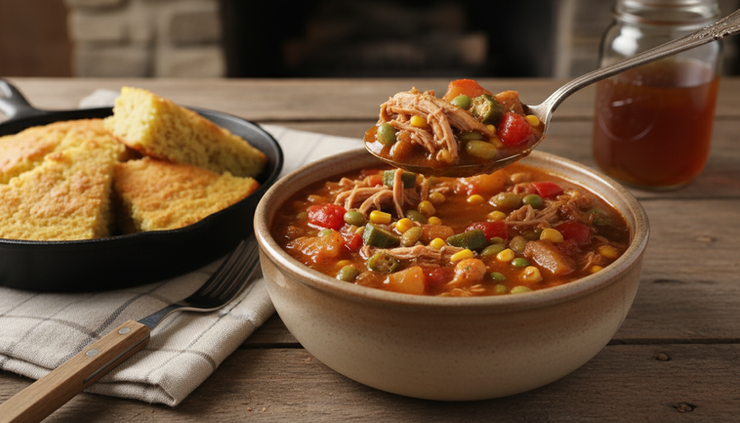
A great camp stew should taste like it has been simmering beside a fire all afternoon, even when it comes from a kitchen stove. This student-friendly Alabama camp stew is hearty, budget-aware, and built around the kind of shared cooking that brings neighbors, classmates, and families to the same table.
Students will love this dish because it teaches real soup-making skills: layering flavor, balancing acidity, using cooked meats wisely, and simmering ingredients until they taste like one complete meal. Inspired by Southern community suppers, church cookouts, and outdoor gatherings, this recipe belongs in the Angels Academy of Culinary Arts Recipe Library as a warm example of food that feeds both appetite and connection.

Quick info for this Alabama camp stew
Recipe detail | Amount |
Servings | 8 |
Prep time | 20 minutes |
Cook time | 1 hour 10 minutes |
Total time | 1 hour 30 minutes |
Difficulty | Easy to Medium |
This recipe is flexible by design. Traditional camp stew often uses a mix of meats, vegetables, tomatoes, and seasonings cooked low and slow. Some families make it thick enough to eat with a fork, while others keep it brothy like soup. This version lands in the middle: spoonable, rich, and satisfying.
If you want to Learn how to make Alabama Camp Stew, start with one idea: build flavor in layers. Brown the aromatics, add tomatoes and broth, let the vegetables soften, then stir in cooked meat so it stays tender.
Ingredients for a hearty pot
Main stew ingredients
2 tablespoons vegetable oil or olive oil
1 medium yellow onion, diced
1 green bell pepper, diced
2 celery stalks, diced
3 garlic cloves, minced
1 pound cooked shredded chicken
1 pound cooked pulled pork or chopped smoked pork
1 can crushed tomatoes, 28 ounces
1 can diced tomatoes, 14.5 ounces
4 cups chicken broth
1 cup frozen corn
1 cup frozen lima beans or butter beans
1 cup diced potatoes, peeled or unpeeled
1 cup sliced okra, fresh or frozen
2 tablespoons tomato paste
1 tablespoon Worcestershire sauce
1 tablespoon apple cider vinegar
1 tablespoon brown sugar
1 teaspoon smoked paprika
1 teaspoon chili powder
1 teaspoon kosher salt, plus more to taste
1/2 teaspoon black pepper
1/4 teaspoon cayenne pepper, optional
Optional finishing ingredients
1 tablespoon hot sauce
2 tablespoons chopped fresh parsley
2 tablespoons sliced green onions
Extra apple cider vinegar for brightness
Student pantry swaps
Rotisserie chicken in place of cooked shredded chicken
Leftover barbecue pork in place of smoked pork
Canned corn in place of frozen corn
Canned butter beans in place of frozen lima beans
Sweet potatoes in place of white potatoes

Step-by-step instructions
1. Heat the pot
Place a large Dutch oven or heavy soup pot over medium heat. Add the oil and let it warm for 30 seconds.
2. Cook the aromatics
Add the onion, bell pepper, and celery. Cook for 5 to 7 minutes, stirring often, until the vegetables soften.
3. Add the garlic
Stir in the garlic. Cook for 30 seconds, just until fragrant.
4. Toast the tomato paste
Add the tomato paste. Stir it into the vegetables and cook for 1 minute. This deepens the stew’s tomato flavor.
5. Build the broth
Pour in the crushed tomatoes, diced tomatoes, and chicken broth. Stir well and scrape the bottom of the pot.
6. Season the base
Add Worcestershire sauce, apple cider vinegar, brown sugar, smoked paprika, chili powder, salt, black pepper, and cayenne if using.
7. Add the vegetables
Stir in the corn, lima beans, potatoes, and okra. Bring the pot to a gentle boil.
8. Simmer until tender
Reduce the heat to low. Cover the pot and simmer for 35 to 40 minutes, stirring every 10 minutes.
9. Add the cooked meats
Stir in the shredded chicken and pulled pork. Simmer uncovered for 20 to 25 minutes so the flavors can blend.
10. Adjust the thickness
For a thicker stew, simmer uncovered for 10 more minutes. For a soupier stew, add extra broth 1/2 cup at a time.
11. Taste and brighten
Taste the stew. Add more salt, pepper, vinegar, or hot sauce as needed.
12. Serve warm
Ladle into bowls. Top with parsley or green onions if desired.
A good camp stew should taste balanced: savory meat, sweet corn, tangy tomato, gentle smoke, and just enough heat to keep each spoonful interesting.
Chef’s secrets to elevate this recipe
Great stew is not hard, but small choices make a big difference. These tips help students think like cooks instead of just following steps.
Brown flavor before adding liquid
The onion, bell pepper, celery, garlic, and tomato paste should cook before the broth goes in. This step adds depth. If everything goes into the pot at once, the stew will still cook, but it may taste flatter.
Use two meats when possible
Chicken keeps the stew light, while pork adds smoke and richness. If only one meat is available, the recipe still works. The “camp” spirit comes from using what is on hand.
Balance the tomato base
Tomatoes bring acidity. Brown sugar softens that edge. Apple cider vinegar brings it back to life at the end. That sweet-tangy balance is one reason Alabama Camp Stew tastes so comforting.
Let it rest before serving
After cooking, turn off the heat and let the stew sit for 10 minutes. The potatoes absorb flavor, the broth thickens slightly, and the seasoning settles.
Keep the simmer gentle
A hard boil can break up the vegetables and make the meat stringy. A low simmer gives better texture.
Chef’s variations and helpful swaps
Dietary substitutions
For a gluten-free version, check that the broth, Worcestershire sauce, hot sauce, and smoked meats are labeled gluten-free. Most of the base ingredients are naturally gluten-free, but sauces and prepared meats can vary.
For a dairy-free version, no changes are needed. This stew contains no milk, cream, cheese, or butter unless you add a dairy-based topping.
For a lighter version, use all chicken and skip the pork. Add extra beans or vegetables to keep the stew hearty.
For a vegetarian version, leave out the meat and use vegetable broth. Add extra butter beans, black-eyed peas, mushrooms, or jackfruit for body. Smoked paprika can help replace some of the smoky flavor.
Make-ahead tips
Camp stew is an excellent make-ahead soup because the flavor improves after a night in the refrigerator.
Cook the stew fully, then cool it before storing.
Refrigerate in shallow containers for faster cooling.
Keep it refrigerated for up to 4 days.
Reheat gently on the stove over medium-low heat.
Add a splash of broth if it thickens too much.
For freezer storage, cool the stew completely and freeze it in airtight containers. Leave a little space at the top because liquid expands as it freezes. Thaw overnight in the refrigerator before reheating.
Picnic-friendly storage
This stew travels well when handled safely. Keep hot stew hot in an insulated container, or chill it fully and reheat it at the picnic site if equipment is available.
For student events, portion the stew into lidded containers. Pack toppings separately so the stew stays fresh. Cornbread muffins, crackers, or small rolls are easy to carry and serve.
Flavor twists
Try one of these changes after learning the basic method:
Add barbecue sauce for a sweeter cookout flavor.
Stir in smoked sausage for a stronger smoky taste.
Use fire-roasted tomatoes for deeper tomato flavor.
Add diced jalapeño with the bell pepper for more heat.
Stir in black-eyed peas for a Southern-style variation.
Finish with lemon juice if apple cider vinegar is not available.
Allergy and dietary notes
This recipe can fit many needs with a few careful checks.
Gluten-free option Use gluten-free broth and sauces. Confirm that any barbecue pork or smoked meat does not contain wheat-based additives.
Dairy-free version The recipe is naturally dairy-free. Avoid serving it with buttered bread if dairy is a concern.
Nut-free version The recipe contains no nuts. Check packaged broth and sauces if cooking for someone with a severe allergy.
Soy awareness Some Worcestershire sauces and broths may contain soy. Read labels when needed.
Lower-sodium choice Use unsalted or low-sodium broth. Reduce the added salt, then season to taste at the end.
This recipe is for general cooking education. For serious allergies, use certified safe products and prevent cross-contact in the kitchen.
What this recipe pairs well with
Camp stew is filling on its own, but the right side dish makes it feel complete. Choose sides that can soak up the broth or add crunch.
Good pairings include:
Skillet cornbread
Cornbread muffins
Buttermilk biscuits
Saltine crackers
Hush puppies
Simple green salad
Coleslaw
Pickled okra
Sweet tea
Lemonade
For a classroom tasting, serve small portions with mini cornbread muffins. This lets students taste the stew without turning the lesson into a full plated meal.
Story from the Angels Academy kitchen
Camp stew has roots in practical cooking. It reflects the way communities cook when they gather outdoors, share ingredients, and feed a crowd from one big pot. In Alabama and across the South, similar stews often appear at fundraisers, family reunions, hunting camps, church gatherings, and neighborhood cookouts.
For culinary students, this dish teaches more than knife cuts and simmering. It shows how recipes carry memory. A stew like this can change from town to town and family to family, yet the purpose stays the same: use simple ingredients well, waste less, and make enough to share.
At Angels Academy, this recipe belongs in the learning kitchen because it connects technique with hospitality. Students practice seasoning, timing, food safety, and tasting. They also learn that comfort food can be humble and skillful at the same time.
Approximate nutrition
Nutrition will vary based on the meats, broth, and toppings used. These estimates are for 1 serving, based on 8 servings from the full recipe.
Nutrition item | Approximate amount |
Calories | 360 |
Protein | 30 g |
Carbohydrates | 30 g |
Fat | 14 g |
Fiber | 6 g |
Sodium | 780 mg |
To reduce sodium, choose low-sodium broth and rinse canned vegetables if using them. To increase protein, add more chicken or beans.
Fun facts about camp stew
Camp stew is often compared with Brunswick stew because both use tomatoes, vegetables, and meat in a thick, hearty base.
Many cooks treat camp stew as a “use what you have” recipe, which makes it perfect for learning ingredient flexibility.
Okra helps thicken the stew and adds a Southern touch.
The flavor usually improves the next day, making leftovers especially good.
A large pot of stew is a great lesson in batch cooking, portioning, and seasoning gradually.
Frequently asked questions
Can I make this stew with only chicken?
Yes. Use 2 pounds of cooked shredded chicken and skip the pork. Add smoked paprika or a little barbecue sauce if you want more smoky flavor.
Can I make it in a slow cooker?
Yes. Cook the onion, bell pepper, celery, garlic, and tomato paste in a skillet first. Add everything except the cooked meats to the slow cooker and cook on low for 5 to 6 hours. Stir in the cooked meats during the last hour.
Is this stew spicy?
It is mild if you skip the cayenne and hot sauce. For more heat, add cayenne, hot sauce, jalapeño, or crushed red pepper.
Why is my camp stew too thick?
The potatoes and okra can thicken the stew as it sits. Stir in extra broth or water until it reaches the texture you like.
Can I freeze Alabama camp stew?
Yes. Cool it fully, freeze it in airtight containers, and thaw it in the refrigerator before reheating. The potatoes may soften after freezing, but the flavor will still be good.

Final takeaway
Alabama camp stew is the kind of recipe that rewards patience, tasting, and sharing. It teaches the basics of building a soup while leaving room for creativity, leftovers, and local tradition. Start with the pot, season as you go, and let the stew remind the kitchen that good cooking often begins with simple ingredients and a generous table.


Comments