


Cooking Traditional Bulgarian Soups: Tarator, Shkembe Chorba and Authentic Seasoning Tips

Bulgarian soups are built on comfort, contrast, and a steady hand with seasoning. A bowl of chilled tarator can cool a hot afternoon in a few spoonfuls. A steaming bowl of shkembe chorba can wake up the senses with garlic, vinegar, chile, and paprika.
What makes these soups memorable is not complicated technique. It is balance. Bulgarian cooking often leans on a few bold ingredients, then lets them speak clearly: tangy yogurt, sweet paprika, fresh dill, dried savory, garlic, vinegar, walnuts, and good sunflower oil.
This blog post on cooking and seasoning traditional Bulgarian soups focuses on the flavors that make these dishes taste like home cooking rather than restaurant imitation. The recipes are approachable, but the small choices matter: when to add garlic, how to bloom paprika, how much water to stir into yogurt, and why vinegar belongs on the table.
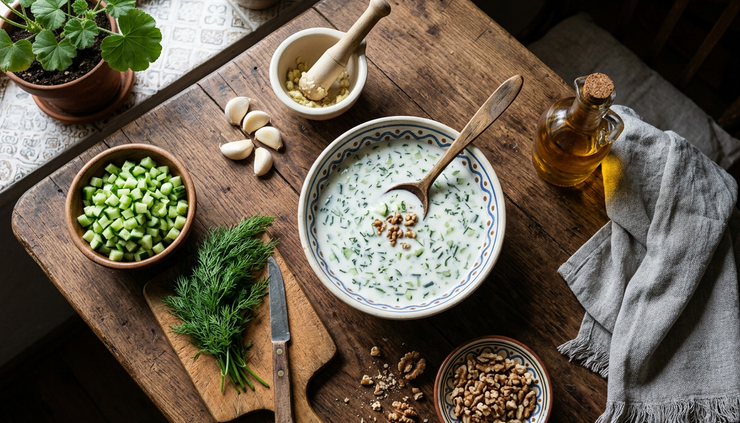
Bulgarian soup seasoning starts with sour, savory, and aromatic flavors
Many Bulgarian soups have a simple base, but they rarely taste plain. The flavor comes from seasoning in layers.
The first layer is often sourness. Yogurt, vinegar, and sometimes fermented ingredients bring brightness. This is most obvious in tarator, where yogurt does the heavy lifting. In shkembe chorba, diners often add garlic vinegar at the table, which sharpens the rich broth.
The second layer is aroma. Garlic is used with confidence. Dill lifts cold yogurt soups. Dried summer savory, called chubritsa, appears in bean soups, meatball soup, and rustic broths. Parsley adds a fresh finish.
The third layer is red pepper flavor. Bulgarian cooking uses paprika in a way that feels warm and earthy rather than just spicy. In many soups, paprika blooms briefly in oil before it meets the broth. This simple move changes everything. The oil turns red, the aroma opens up, and the soup gains depth.
A few seasonings show up again and again:
Ingredient | How it is used | Best tip |
Bulgarian-style yogurt | Chilled soups, finishing, thickening | Use plain whole-milk yogurt for the best texture |
Garlic | Crushed raw, simmered, or steeped in vinegar | Start modestly, then add more at the table |
Dill | Tarator and yogurt-based dishes | Add it fresh, not dried, when possible |
Sweet paprika | Warm soups and paprika oil | Bloom it gently so it does not burn |
Dried savory | Bean soups and meat soups | Rub it between your fingers before adding |
Vinegar | Shkembe chorba and table seasoning | Mix it with garlic for a classic condiment |
Walnuts | Tarator and some rustic dishes | Toast lightly only if you want a nuttier flavor |
One seasoning rule helps with almost every Bulgarian soup: do not rush the final adjustment. Taste at the end. Add salt, sourness, garlic, or herbs in small steps. These soups should feel lively, not heavy.
Tarator is the cold soup every summer table needs
Tarator is one of Bulgaria’s most loved warm-weather dishes. It is cold, tangy, crunchy, and refreshing. Some families serve it in bowls. Others pour it into glasses and drink it alongside grilled meats, fried zucchini, or a simple lunch.
The first time I made tarator at home, I treated it like a cucumber salad with too much dressing. It was fine, but it missed the point. Tarator should feel like a soup. The yogurt needs enough water to loosen into a pourable texture, while the cucumber and walnuts give each spoonful bite.
Ingredients for a simple tarator
This makes about 4 servings.
Ingredient | Amount |
Plain whole-milk yogurt | 2 cups |
Cold water | 1 to 1 1/2 cups |
English cucumber or small cucumbers | 1 large or 2 small |
Garlic | 1 to 2 cloves |
Fresh dill | 2 to 3 tablespoons, chopped |
Walnuts | 1/3 cup, finely chopped |
Sunflower oil or olive oil | 1 to 2 tablespoons |
Salt | To taste |
Ice cubes | Optional |
Bulgarian cooks often use sunflower oil, which has a clean taste and fits the dish well. Olive oil works if that is what is in the pantry, but choose a mild one.
How to make tarator
Peel the cucumber if the skin is thick. Dice it finely or grate it on the large holes of a box grater. Diced cucumber gives more crunch. Grated cucumber blends into the yogurt and makes the soup feel softer.
Crush the garlic with a pinch of salt. This makes a paste and keeps harsh chunks from taking over the bowl.
Whisk the yogurt until smooth. Add cold water a little at a time until the texture looks like light cream. Stir in the cucumber, garlic, dill, walnuts, and oil. Taste for salt.
Chill for at least 30 minutes if there is time. Tarator improves as the garlic, dill, and yogurt settle together. If serving right away, add a few ice cubes.
Seasoning tips for better tarator
The best tarator tastes tangy, cool, and gently garlicky. It should not taste watery.
Use these small adjustments:
If it tastes flat, add more salt first.
If it tastes heavy, add a splash of cold water.
If it tastes too sharp, add more yogurt.
If it lacks aroma, add more dill and a little more crushed garlic.
If it feels too thin, stir in extra chopped walnuts.
Walnuts are more than garnish here. They add body and a faint sweetness that balances the yogurt. Some cooks leave them out, but they make the soup feel more traditional and satisfying.
Tarator also carries a cultural feeling that is hard to separate from the recipe. It belongs to summer tables, open windows, and meals that do not need much fuss. On hot days, it can be lunch with bread. At a larger meal, it becomes the cooling dish that keeps richer foods in check.
Shkembe chorba is bold, garlicky, and worth learning
Shkembe chorba, or Bulgarian tripe soup, has a loyal following. It is rich, milky, tangy, spicy, and fragrant with garlic. For many Bulgarians, it is tied to taverns, late nights, winter mornings, and the kind of food people crave when they want something restorative.
Tripe can make some home cooks hesitate. That is fair. It needs proper cleaning and enough cooking time. The good news is that many butchers sell cleaned tripe, and once it is tender, the soup itself is straightforward.
The seasoning is what makes shkembe chorba shine. The broth is mild and creamy on its own. Then come the table condiments: garlic steeped in vinegar, hot paprika or chile flakes, and red pepper oil. Each person seasons the bowl to taste.
Ingredients for home-style shkembe chorba
This makes about 6 servings.
Ingredient | Amount |
Cleaned beef tripe | 1 1/2 pounds |
Water or light beef broth | Enough to cover |
Milk | 2 cups |
Butter | 3 tablespoons |
Sweet paprika | 1 1/2 tablespoons |
Cayenne or hot paprika | To taste |
Salt | To taste |
Black pepper | Optional |
For the garlic vinegar:
Ingredient | Amount |
Garlic | 4 to 6 cloves |
White vinegar or wine vinegar | 1/2 cup |
Salt | A pinch |
How to cook the tripe
Rinse the tripe well under cold water. If the smell is strong, soak it briefly in cold water with a splash of vinegar, then rinse again.
Place the tripe in a pot and cover with water or light broth. Bring it to a boil, then reduce to a steady simmer. Skim any foam. Cook until tender. Depending on the tripe, this can take 1 1/2 to 3 hours on the stovetop. A pressure cooker can shorten the time.
When tender, remove the tripe and slice it into thin strips or small pieces. Save the cooking liquid if it tastes clean and pleasant. If it tastes too strong, use part cooking liquid and part fresh broth.
How to finish the soup
Return the sliced tripe to the pot with enough broth to make a soupy base. Add the milk and warm gently. Do not boil hard after adding milk, since it can separate.
In a small pan, melt the butter. Add the sweet paprika and stir for a few seconds over low heat. The paprika should foam and smell warm, not scorch. Pour this red butter into the soup and stir.
Season with salt. Add black pepper if desired, though the real heat often comes at the table.
For the garlic vinegar, crush the garlic with a pinch of salt, then stir it into the vinegar. Let it sit while the soup cooks. Spoon a little into each bowl just before eating.

Seasoning tips for shkembe chorba
The most common mistake is treating the soup as finished before the condiments. Shkembe chorba should invite adjustment.
For a classic bowl, add:
A spoonful of garlic vinegar.
A pinch of hot paprika or chile flakes.
A little extra red pepper oil if you like richness.
Taste after each addition. The goal is a broth that feels creamy, tangy, hot, and garlicky at once.
Be careful when blooming paprika. It burns quickly and turns bitter. Keep the heat low, stir constantly, and add it to the soup as soon as the aroma blooms.
Other Bulgarian soups teach the same seasoning lessons
Tarator and shkembe chorba may be the most famous to outsiders, but Bulgarian home cooking has many soups worth trying. They share the same logic: simple ingredients, careful seasoning, and a bright finish.
Bob chorba is bean soup, often made with white beans, onion, carrot, tomato, paprika, and dried savory. It is humble and deeply satisfying. The key is to cook the beans until creamy, then season with savory and paprika near the end. A spoonful of vinegar at the table wakes it up.
Supa topcheta is a meatball soup with rice, vegetables, and small seasoned meatballs. Many versions finish with a yogurt and egg liaison, which gives the broth a silky texture and gentle tang. The trick is tempering the yogurt mixture with hot broth before adding it back to the pot, so it does not curdle.
Chicken soup with lemon or yogurt also appears in many homes. It may look familiar to American cooks, but Bulgarian seasoning sets it apart. A little savory, parsley, and a sour finish make it feel brighter than a standard chicken noodle soup.
Across these soups, a few techniques come up again:
Bloom paprika in fat for warmth and color.
Add fresh herbs late so they stay fragrant.
Use vinegar or yogurt to bring balance.
Let garlic play a real role, but control its strength.
Taste after resting, since soups change as they sit.
Bulgarian soups often taste even better the next day, except tarator, which is best fresh and cold. Warm soups gain depth as the paprika, herbs, and broth settle together.
FAQ
Can I make tarator with Greek yogurt?
Yes. Greek yogurt works, but it is thicker than traditional yogurt. Whisk in extra cold water until it reaches a soup-like texture. Taste for salt after thinning.
What can I use if I cannot find Bulgarian savory?
Use summer savory if available. If not, use a small amount of dried thyme with a pinch of dried oregano. The flavor will not be identical, but it will still suit bean and meat soups.
Is shkembe chorba very spicy?
The soup itself can be mild. Heat usually comes from hot paprika, chile flakes, or chile oil added at the table. This makes it easy to serve to people with different spice preferences.
Can I make shkembe chorba without tripe?
You can make a similar creamy paprika soup with mushrooms, chicken, or beef, but it will not have the same texture or traditional flavor. If tripe is the concern, start with cleaned honeycomb tripe from a trusted butcher.
Why does paprika sometimes taste bitter?
Paprika turns bitter when it burns. Bloom it over low heat for only a few seconds, then add liquid or transfer it into the soup right away.
Bring Bulgarian soup seasonings into your kitchen
Traditional Bulgarian soups reward patience, but they do not demand perfection. Start with tarator if you want something quick, fresh, and low-stress. Try shkembe chorba when there is time to simmer, season, and build a bowl with real character.
The deeper lesson is simple: use sourness, garlic, herbs, and paprika with intention. Once those flavors make sense, Bulgarian soup cooking becomes easier and much more fun. A chilled bowl of tarator or a steaming bowl of shkembe chorba can bring a new rhythm to the home kitchen, one spoonful at a time.



Comments