


Garlic Soup Around the World History Recipes and Flavor Tips

Garlic soup is what happens when a humble pantry ingredient gets treated like the main event. Cooked gently, garlic turns sweet, nutty, and mellow. Toasted deeply, it becomes bold and savory. Left raw too long, it can take over the whole pot.
That range is why garlic soup shows up in so many kitchens, from Spanish taverns and French farms to Mexican home tables and American diners. The ingredients change, but the idea stays the same: build comfort from garlic, liquid, bread, eggs, herbs, or whatever the household has on hand.
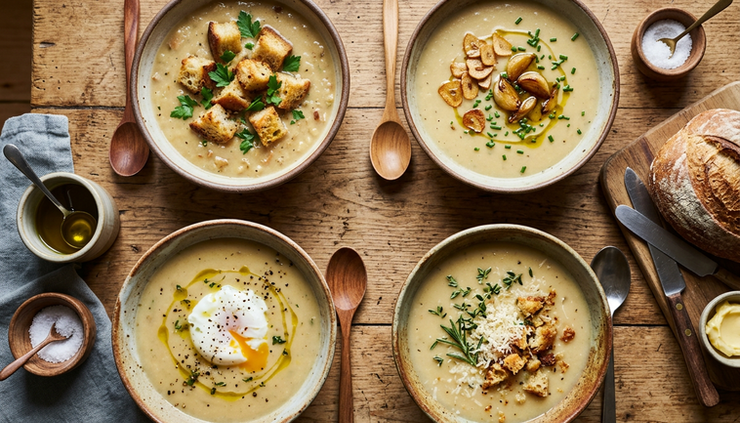
Garlic soup has traveled through practical kitchens
Garlic soup did not begin as a restaurant dish. In many places, it grew from thrift, seasonality, and the need to turn simple staples into something filling.
In Spain, sopa de ajo is one of the best-known versions. It often uses garlic, stale bread, olive oil, smoked paprika, broth, and egg. It is strongly tied to Castilian cooking, where cold weather and plain ingredients shaped hearty meals. The smoked paprika gives the soup its deep red color and warm, savory aroma.
In France, garlic soup appears in Provençal and country-style cooking. Some versions use many cloves of garlic simmered until gentle, then enriched with egg yolks, olive oil, or cream. Others lean on herbs like thyme, bay leaf, sage, or parsley. The result feels softer than the Spanish version, often more golden than red.
In Mexico, sopa de ajo may include toasted garlic, dried chiles, tomatoes, tortillas, or eggs, depending on the region and household. Toasting matters here. Garlic, chiles, and tomatoes can be browned before simmering, adding a smoky backbone without a complicated ingredient list.
In the United States, garlic soup often takes a creamier path. Roasted garlic soup became especially popular in restaurants and home kitchens that favor blended soups. Roasting turns whole heads of garlic sweet and spreadable, making them easy to whisk into broth, potatoes, cream, or white beans.
Garlic Soups are also common across parts of Eastern Europe, Latin America, and the Mediterranean, where cooks use garlic as both seasoning and substance. That is the beauty of the dish. It can be peasant food, comfort food, or dinner-party food, depending on how the garlic gets handled.
How to cook garlic so it tastes full, not harsh
Garlic changes fast in heat. A few seconds can be the difference between golden and bitter. The best garlic soups use one or more of these methods.
Sweat garlic for sweetness
Cook sliced or chopped garlic gently in oil or butter over medium-low heat. Stir often. The goal is pale gold and fragrant, not brown.
This works well for brothy soups because the garlic infuses the fat, which then carries flavor through the whole pot.
Roast garlic for depth
Cut the top off a head of garlic, drizzle it with olive oil, wrap it in foil, and roast at 400°F until the cloves are soft and golden. This usually takes 35 to 45 minutes, depending on size.
Roasted garlic tastes sweet and mellow. It is ideal for creamy soups, potato soups, white bean soups, and smooth blended soups.
Toast garlic for boldness
Thin slices of garlic can be toasted in olive oil until lightly golden. Pull them from the heat before they look done, since they keep cooking in the hot oil.
This technique gives Spanish and Mexican-style soups a stronger edge. It also creates garlic oil, which is liquid flavor.
Add garlic in layers
One of the best ways to build character is to use garlic twice.
Try this:
Roast a head of garlic for sweetness.
Sweat a few fresh cloves in oil for aroma.
Finish with a small amount of raw grated garlic only if the soup can handle sharpness.
This layered approach makes a soup taste rounded rather than flat.
Season in stages
Garlic can make a soup seem flavorful before it has enough salt. Taste after the broth has simmered, then again after adding bread, cream, beans, eggs, or potatoes.
Acid helps too. A splash of vinegar, lemon juice, or sherry vinegar can wake up a garlic soup without making it taste sour.
If garlic soup tastes heavy, it usually needs salt, acid, or fresh herbs. If it tastes sharp, it needs more simmering time or fat.
Four garlic soup recipes from the US and around the world
The recipes below are written for home kitchens. Each serves about 4 and leaves room for adjustment. Learn to cook and season garlic soups from the US and Around the globe by paying attention to how each recipe treats garlic before the broth goes in.
Spanish sopa de ajo with smoked paprika and egg
This is the soup I make when there is stale bread on the counter and nothing planned for dinner. The first time I had a version like it, the bowl looked almost too simple, just broth, bread, and an egg. Then the paprika hit. It tasted smoky, garlicky, and much bigger than the ingredient list.
Ingredients
1/4 cup extra-virgin olive oil
8 garlic cloves, thinly sliced
4 cups chicken or vegetable broth
3 cups stale crusty bread, torn into chunks
1 1/2 teaspoons smoked paprika
1/2 teaspoon sweet paprika, optional
4 large eggs
Salt and black pepper
Chopped parsley, for serving
Method
Warm the olive oil in a medium pot over medium-low heat. Add the sliced garlic and cook until pale gold and fragrant. Do not let it darken too much.
Stir in the smoked paprika for about 10 seconds. Add the broth right away so the paprika does not scorch. Bring to a simmer, then add the bread.
Cook for 8 to 10 minutes, until the bread softens and thickens the soup. Taste for salt and pepper.
Crack the eggs directly into the simmering soup. Cover and cook until the whites set and the yolks are still a little soft, about 3 to 5 minutes.
Serve with parsley and a drizzle of olive oil.
Flavor tip
Bloom the paprika briefly in oil, then add liquid quickly. This brings out its aroma without burning it.
French-style creamy garlic soup with thyme
French garlic soup can be surprisingly delicate. It does not shout. It warms. This version uses plenty of garlic, but simmering mellows the cloves until they become sweet and soft.
Ingredients
2 tablespoons butter
1 tablespoon olive oil
2 heads garlic, cloves peeled
1 small yellow onion, chopped
1 medium Yukon Gold potato, peeled and diced
5 cups chicken or vegetable broth
3 thyme sprigs
1 bay leaf
1/2 cup heavy cream
Salt and white or black pepper
Chives or parsley, for serving
Method
Melt the butter with the olive oil in a soup pot over medium heat. Add the onion and cook until soft, about 5 minutes.
Add the peeled garlic cloves and cook for 3 minutes, stirring often. Keep the heat gentle so the garlic does not brown.
Add the potato, broth, thyme, and bay leaf. Simmer until the potato and garlic are very tender, about 25 minutes.
Remove the thyme stems and bay leaf. Blend until smooth. Stir in the cream, then season with salt and pepper.
Serve with herbs and toasted bread.
Flavor tip
The potato gives body without making the soup too rich. For a lighter version, skip the cream and finish with olive oil.

American roasted garlic and white bean soup
This version feels familiar to American home cooking: creamy, simple, and practical. White beans add protein and body, while roasted garlic gives the soup a cozy sweetness.
Ingredients
2 whole heads garlic
2 tablespoons olive oil, plus more for roasting
1 small yellow onion, chopped
2 cans cannellini beans, drained and rinsed
4 cups chicken or vegetable broth
1 teaspoon chopped rosemary
1 tablespoon lemon juice
Salt and black pepper
Parmesan, for serving, optional
Method
Heat the oven to 400°F. Slice the tops off the garlic heads. Drizzle with olive oil, wrap in foil, and roast until soft, 35 to 45 minutes.
Warm 2 tablespoons olive oil in a pot. Add the onion and cook until tender. Squeeze the roasted garlic cloves into the pot.
Add the beans, broth, and rosemary. Simmer for 15 minutes. Blend until smooth, or blend only half if a chunkier soup sounds better.
Stir in the lemon juice. Season with salt and pepper. Serve with Parmesan if using.
Flavor tip
Lemon juice belongs at the end. If added too early, it can fade into the soup. At the finish, it brightens the beans and garlic.
Mexican-inspired garlic soup with tomatoes and chile
This recipe is inspired by the way toasted ingredients build flavor in many Mexican soups and sauces. It is not meant to represent every regional variation. Think of it as a home-friendly bowl with garlic, tomato, chile, and crispy tortilla.
Ingredients
3 tablespoons neutral oil or olive oil
10 garlic cloves, thinly sliced
2 corn tortillas, cut into strips
1 dried guajillo chile, stemmed and seeded
1 small can diced tomatoes, or 2 fresh tomatoes, chopped
5 cups chicken or vegetable broth
1 teaspoon dried oregano, preferably Mexican oregano
Salt
Lime wedges
Cilantro, avocado, or queso fresco, for serving
Method
Warm the oil in a pot over medium heat. Fry the tortilla strips until crisp, then remove and set aside.
Add the garlic slices to the same oil. Cook until lightly golden, then remove a spoonful for garnish if you like.
Toast the dried chile in the oil for a few seconds per side. Add the tomatoes, broth, and oregano. Simmer for 15 minutes.
Blend the soup until smooth, or leave it rustic. Season with salt. Serve with crispy tortilla strips, lime, and toppings.
Flavor tip
Dried chiles can turn bitter if burned. Toast them briefly, just until fragrant.
A few ways to make garlic soup your own
The best garlic soups feel personal. One winter, I made roasted garlic soup during a power outage using a gas stove, a dented pot, canned beans, and broth from the freezer. It was not elegant. It tasted like relief. Since then, I have thought of garlic soup less as a strict recipe and more as a method.
Start with one of these paths:
If you want | Try this |
A thicker soup | Add bread, potatoes, white beans, rice, or lentils |
A brighter soup | Finish with lemon juice, sherry vinegar, lime, or fresh herbs |
A smoky soup | Use smoked paprika, toasted chiles, bacon, or charred tomatoes |
A richer soup | Add cream, egg yolk, Parmesan, or a swirl of olive oil |
A lighter soup | Use clear broth, herbs, greens, and a poached egg |
Greens make garlic soup feel fresh. Stir in spinach, kale, Swiss chard, or escarole during the last few minutes of cooking.
Proteins can turn it into a full meal. Add shredded chicken, chickpeas, sausage, white beans, or a poached egg.
Herbs change the mood fast. Thyme gives a French feel. Cilantro and oregano push it toward Mexico. Parsley and bay leaf keep it classic. Rosemary makes roasted garlic taste even deeper.
For a seasoning boost, try finishing a bowl with a pinch of a savory blend. If you like experimenting with soup toppers and seasonings, take a look at AngelDust seasoning from Soup Angels for a simple way to add flavor at the table.
Garlic soup questions home cooks ask
Can I use pre-peeled garlic for soup?
Yes. Pre-peeled garlic works well when it is fresh and firm. Avoid cloves that look dry, rubbery, or sour-smelling. For the best flavor, whole heads of garlic usually taste fresher.
Why did my garlic soup taste bitter?
The garlic likely browned too much, or the paprika or chile scorched. Cook garlic gently unless the recipe calls for light toasting. Once garlic turns dark brown, bitterness can spread through the pot.
Can I make garlic soup ahead of time?
Yes, most garlic soups reheat well. Soups thickened with bread may need extra broth the next day. Add fresh herbs, lemon, vinegar, or toppings after reheating.
How much garlic is too much?
For a mild soup, use 6 to 8 cloves per 4 cups of broth. For garlic-forward soup, use 1 to 2 heads, especially if roasting or simmering the cloves. Raw garlic tastes much stronger than cooked garlic.
Can I freeze garlic soup?
Brothy and bean-based garlic soups freeze well. Cream soups can freeze, but the texture may change. Reheat gently and whisk if the soup separates.

Let garlic lead the pot
Garlic soup proves that a strong ingredient can become gentle with the right care. Sweat it for sweetness, roast it for depth, toast it for boldness, and season the pot in layers.
Once the basics feel comfortable, change the bread, switch the herbs, add beans, crack in an egg, or finish with lime instead of lemon. The world has already made garlic soup many ways. The next good version can come from your own stove.


Comments