


Global Soup Secrets with Fish Sauce: Recipes, Flavor Balancing, and Kitchen Tips

A few drops of fish sauce can make a thin soup taste like it simmered all afternoon. It adds salt, yes, but also savoriness, depth, and a gentle roundness that plain salt cannot bring on its own.
Fish sauce shows up across Southeast Asia and beyond, from Vietnamese canh chua to Thai tom yum, Filipino tinola, and Korean seaweed soup variations seasoned with fermented seafood. Each culture uses it a little differently. Some add it early to build the broth. Others splash it in at the end so its aroma stays bright.
The best part for home kitchens is how flexible it is. Fish sauce works with chicken, seafood, mushrooms, tomatoes, coconut milk, greens, herbs, noodles, rice, and chiles. Once the balance makes sense, it becomes less of a specialty ingredient and more of a daily soup tool.
Learn how to cook and season soups with Fish Sauce from around the world in your home kitchen, and a pot of broth starts to feel like a passport.
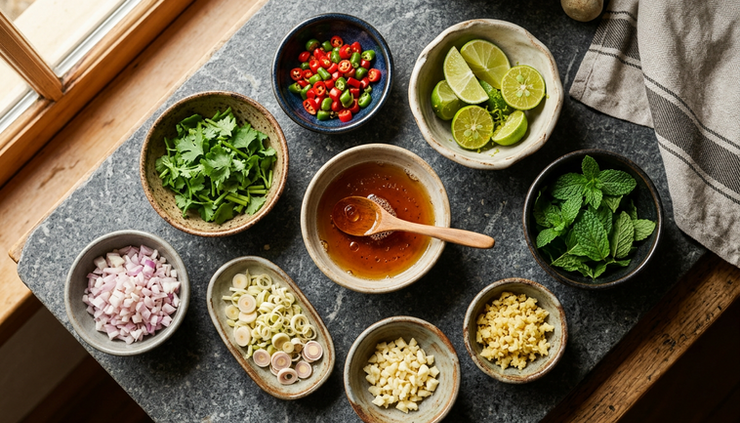
Fish sauce gives soup more than salt
Fish sauce is made by fermenting fish, usually anchovies or similar small fish, with salt. Over time, the mixture turns into a clear amber liquid loaded with savory flavor. That savory quality is often called umami, the same deep taste found in Parmesan, miso, mushrooms, soy sauce, and long-cooked stocks.
In soup, fish sauce does three useful things:
It seasons the broth
It gives saltiness in liquid form, which spreads quickly and evenly.
It deepens simple ingredients
A pot of water, chicken, ginger, and greens can taste thin. A spoonful of fish sauce helps it taste complete.
It connects sweet, sour, spicy, and bitter flavors
This is why it works so well in soups with lime, tamarind, tomatoes, coconut milk, bitter greens, or chiles.
Fish sauce can taste intense straight from the bottle. In a hot pot of soup, it softens and blends into the broth. If the smell seems strong at first, start small. Use 1 teaspoon in a medium pot, taste, then add more in small amounts.
A good habit is to treat fish sauce like seasoning, not like a sauce poured by habit. Different brands vary in saltiness and aroma, so the pot should guide the final amount.
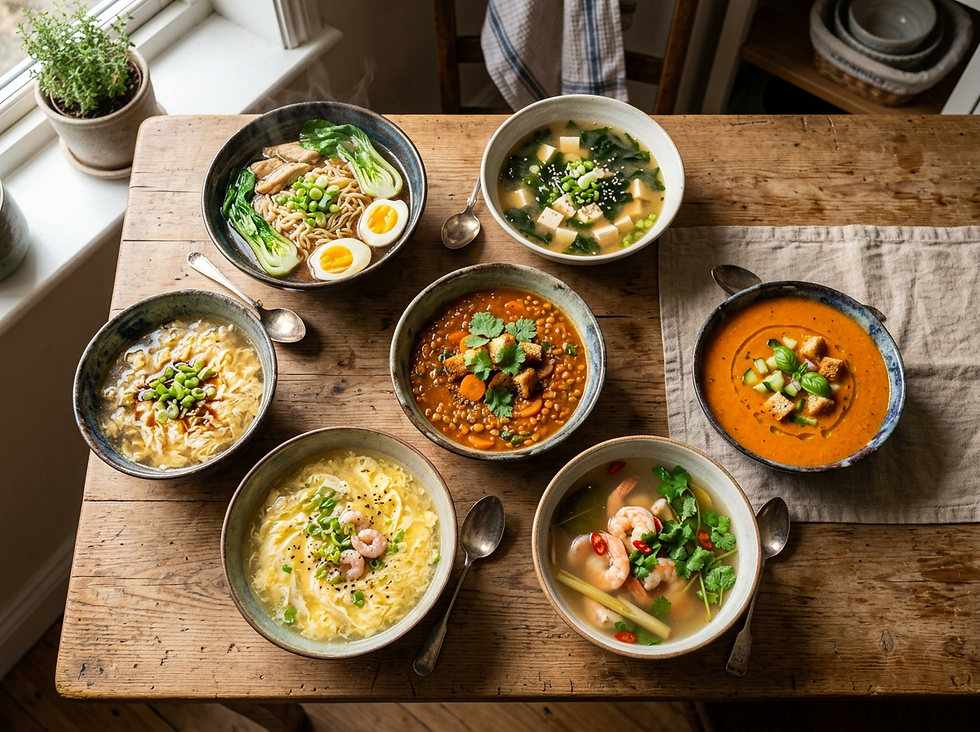
Four soups from around the world that use fish sauce beautifully
These recipes are written for flexible home cooking. Each makes about 4 servings and can be adjusted based on what is in the fridge. The goal is to learn the technique behind each soup, not to chase one fixed version.
Vietnamese canh chua tastes bright, sour, and fresh
Canh chua is a Vietnamese sour soup often made with fish, pineapple, tomato, herbs, and tamarind. It tastes light but layered, with fish sauce tying together sour fruit, sweet pineapple, and fresh herbs.
You’ll need
1 tablespoon neutral oil
2 garlic cloves, minced
6 cups water or light fish stock
2 tablespoons tamarind concentrate, or to taste
1 tablespoon fish sauce, plus more as needed
1 cup pineapple chunks
2 tomatoes, cut into wedges
8 ounces firm white fish, shrimp, or tofu
1 cup bean sprouts
Fresh cilantro, Thai basil, rice paddy herb, or mint
Lime wedges and sliced chile
How to make it
Warm the oil in a pot and cook the garlic for 30 seconds. Add water or stock, tamarind, fish sauce, pineapple, and tomatoes. Simmer for 8 to 10 minutes, until the tomato softens.
Add the fish or shrimp and simmer gently until just cooked. Stir in bean sprouts at the end so they stay crisp. Taste the broth. It should be sour first, then savory, with light sweetness from the pineapple.
Finish with herbs, chile, and a squeeze of lime.
Flavor tip
If the soup tastes too sharp, add a pinch of sugar or a few more pineapple pieces. If it tastes flat, add fish sauce in 1 teaspoon increments.
Thai tom yum brings heat, citrus, and aroma
Tom yum is famous for its fragrant broth. Lemongrass, makrut lime leaves, galangal, chiles, lime juice, and fish sauce create a soup that feels sharp, spicy, and clean. Shrimp is common, but mushrooms, chicken, or tofu also work.
You’ll need
6 cups chicken stock or water
2 stalks lemongrass, cut into pieces and lightly crushed
4 slices galangal or ginger
4 makrut lime leaves, torn, if available
1 to 2 Thai chiles, lightly crushed
8 ounces shrimp, mushrooms, chicken, or tofu
1 to 2 tablespoons fish sauce
2 tablespoons lime juice, plus more to taste
1 teaspoon sugar, optional
Cilantro or sawtooth coriander
Sliced scallions
How to make it
Bring the stock to a simmer with lemongrass, galangal, lime leaves, and chiles. Simmer for 10 minutes to perfume the broth.
Add shrimp, mushrooms, chicken, or tofu. Cook until done. Turn off the heat, then stir in fish sauce and lime juice. This keeps the lime flavor lively and prevents the fish sauce aroma from becoming too heavy.
Taste for balance. The broth should be salty, sour, spicy, and fragrant.
Flavor tip
For a richer version, add a spoonful of Thai roasted chile paste or a splash of evaporated milk. For a lighter version, keep it clear and herb-forward.
Filipino tinola becomes deeper with patis
In the Philippines, fish sauce is known as patis. Tinola is a comforting chicken soup with ginger, green papaya or chayote, and leafy greens. Patis seasons the chicken early, giving the broth a warm, savory backbone.
You’ll need
1 tablespoon oil
1 small onion, sliced
3 garlic cloves, minced
2 tablespoons ginger, sliced into matchsticks
1 1/2 pounds chicken pieces
1 to 2 tablespoons fish sauce
6 cups water or chicken stock
2 cups green papaya or chayote, sliced
2 cups spinach, malunggay leaves, or bok choy
Black pepper
Lime or calamansi, optional
How to make it
Heat oil in a pot. Cook onion, garlic, and ginger until fragrant. Add chicken and cook until the surface loses its raw color.
Add fish sauce and stir for 1 minute. This step helps the chicken absorb the seasoning before the liquid goes in.
Pour in water or stock. Simmer until the chicken is tender. Add papaya or chayote and cook until soft. Stir in greens right before serving. Finish with black pepper and, if desired, a squeeze of lime or calamansi.
Flavor tip
Tinola should feel soothing, not aggressive. If the broth tastes too salty, add more water and a handful of greens. If it tastes dull, add a little more ginger or patis.
Korean seaweed soup can take a fermented seafood turn
Korean miyeok-guk, or seaweed soup, is often seasoned with soup soy sauce, garlic, and sesame oil. Some coastal and home-style versions use fermented seafood seasonings to add depth. Fish sauce can stand in carefully when soup soy sauce is not available or when the broth needs extra savoriness.
You’ll need
1 ounce dried miyeok seaweed
1 tablespoon sesame oil
2 garlic cloves, minced
6 cups water, anchovy stock, or beef broth
1 tablespoon soup soy sauce or regular soy sauce
1 to 2 teaspoons fish sauce
6 ounces sliced beef, clams, tofu, or mushrooms
Black pepper, optional
How to make it
Soak the dried seaweed in water until it expands, then rinse and chop it. Warm sesame oil in a pot and cook the seaweed with garlic for a few minutes.
Add broth, soy sauce, and your beef, clams, tofu, or mushrooms. Simmer for 20 minutes. Add fish sauce near the end, starting with 1 teaspoon. Taste before adding more.
Flavor tip
This soup should taste clean and mineral-rich. Fish sauce should support the seaweed, not take over. Use a light hand.

How to balance fish sauce in any soup
The easiest way to ruin a soup with fish sauce is to use it only as salt. The easiest way to make it shine is to balance it with acid, sweetness, fat, and fresh ingredients.
Use this guide when adjusting the pot.
If the soup tastes | Try this |
Too salty | Add unsalted stock, water, noodles, rice, potatoes, greens, or coconut milk |
Too fishy | Simmer for a few minutes, then add lime, herbs, ginger, or lemongrass |
Too sour | Add a pinch of sugar, coconut milk, tomato, carrot, squash, or a little more broth |
Too sweet | Add lime juice, vinegar, tamarind, chile, or more bitter greens |
Flat | Add fish sauce 1 teaspoon at a time, then taste again |
Heavy | Add fresh herbs, scallions, citrus, bean sprouts, or crisp vegetables |
A reliable formula for Fish Sauce Soups is this:
Build a base with aromatics.
Add liquid and main ingredients.
Season lightly with fish sauce while cooking.
Add acid and herbs near the end.
Taste once more before serving.
That last taste matters. Fish sauce becomes softer as it cooks, while lime juice and herbs fade with heat. If a soup has both, add some fish sauce during cooking and save citrus for the finish.
Ingredients that love fish sauce
Fish sauce works across many soup styles because it plays well with bold and gentle ingredients. Keep these pairings in mind.
Aromatics
Garlic
Ginger
Shallots
Lemongrass
Galangal
Scallions
Onion
Acidic ingredients
Lime juice
Tamarind
Rice vinegar
Tomatoes
Pineapple
Calamansi
Pickled mustard greens
Fresh herbs
Cilantro
Mint
Thai basil
Dill
Sawtooth coriander
Scallions
Shiso
Rich ingredients
Coconut milk
Chicken thighs
Pork ribs
Salmon
Egg yolk
Tofu
Mushrooms
Starches and fillers
Rice noodles
Jasmine rice
Potatoes
Sweet potatoes
Winter squash
Corn
Dumplings
Fish sauce also pairs well with ingredients that have natural sweetness. Corn, carrots, squash, cabbage, and onions all round out its saltiness. Bitter greens, like mustard greens or bok choy, benefit from its savory depth.
For pantry cooking, try a quick soup with boxed chicken broth, sliced mushrooms, spinach, garlic, ginger, rice noodles, and 2 teaspoons of fish sauce. Finish with lime and scallions. It takes little effort but tastes far more complete than the ingredient list suggests.
Kitchen tips for cooking with fish sauce
Fish sauce is powerful, but easy to manage with a few habits.
Start small
Use 1 teaspoon per 4 cups of broth if you are learning a new brand. You can always add more.
Add it in stages
Early fish sauce seasons the broth. Late fish sauce gives a sharper aroma. Many soups benefit from both, especially Thai and Vietnamese styles.
Do not boil it hard for too long
A short simmer softens fish sauce. A long, aggressive boil can make its aroma feel muddy. Gentle heat works better.
Taste with a spoonful of broth, not straight from the bottle
Fish sauce tastes much stronger on its own. Judge it in the soup.
Use less salt elsewhere
If the recipe includes soy sauce, bouillon, salted stock, miso, or cured meat, reduce the fish sauce and adjust at the end.
Store it well
Keep fish sauce tightly capped in a cool, dark cabinet. Some cooks refrigerate it after opening, especially if the kitchen runs warm. If it smells unpleasantly rotten rather than deeply savory, or if the flavor seems off, replace it.
Try it outside Asian-style soups
A few drops can deepen clam chowder, tomato soup, lentil soup, or a simple vegetable broth. Use restraint. The goal is depth, not a noticeable fish sauce flavor.
FAQ
Does fish sauce make soup taste fishy?
Not when used in small amounts and balanced well. It should make the broth taste savory and full. If the soup tastes fishy, add acid, herbs, ginger, or more broth.
Can I use fish sauce instead of salt?
Yes, in many soups. Use less salt at first, then season with fish sauce in small amounts. Remember that fish sauce adds flavor as well as saltiness.
What can I substitute for fish sauce?
Soy sauce, tamari, miso, or coconut aminos can add savory flavor, but they will not taste the same. For a closer substitute, mix soy sauce with a little mushroom broth or seaweed-infused water.
When should I add fish sauce to soup?
Add some during cooking for depth, then adjust near the end if needed. Add lime juice, delicate herbs, and fresh chiles at the end so they stay bright.
Is fish sauce gluten-free?
Many fish sauces are made with fish and salt, but some brands may include additives. Check the label if gluten is a concern.

Keep experimenting one spoonful at a time
Fish sauce rewards curiosity. It can make a quick weeknight broth taste layered, give chicken soup more depth, and help sour, spicy, sweet, and herbal flavors settle into place.
Start with a familiar soup and add 1 teaspoon. Taste. Add lime, herbs, or a little sweetness if the broth needs lift. Try it with tomatoes one week, coconut milk the next, then ginger and greens after that.
For another easy way to build deep soup flavor at home, try AngelDust soup seasoning as a pantry companion for broths, vegetables, noodles, and slow-simmered pots.
The best soup lessons come from tasting as you cook. Fish sauce gives you a strong starting point, but balance makes the bowl memorable.


Comments