


Global Tofu Soup Recipes From Around the World with Step by Step Flavor Tips

Tofu can disappear into a soup, or it can become the thing everyone remembers. The difference is seasoning, timing, and choosing the right texture for the broth.
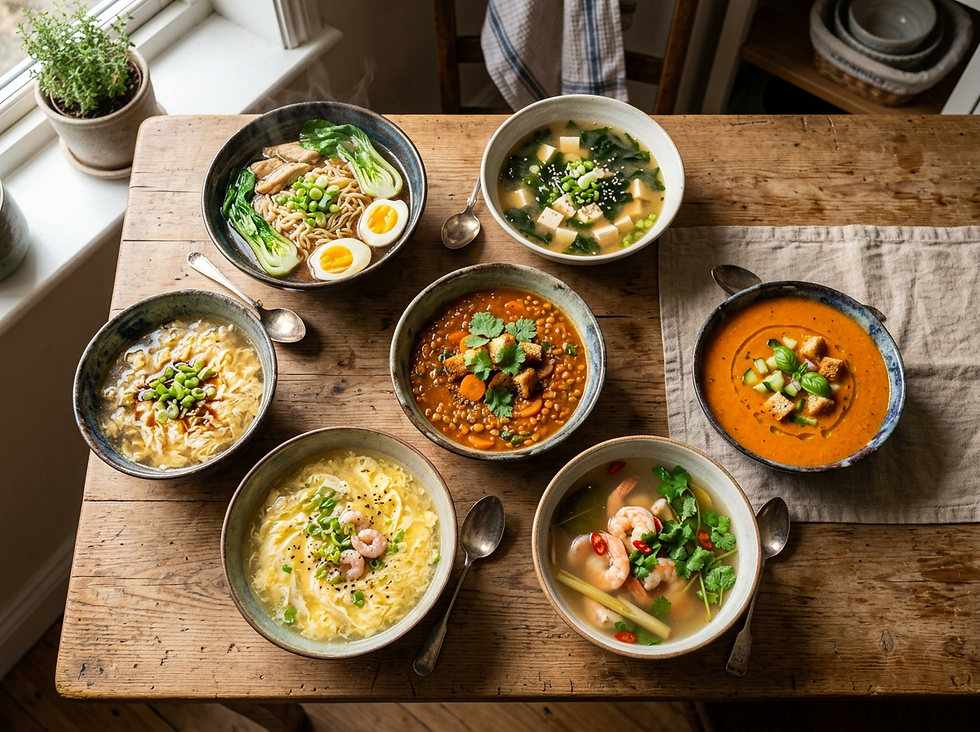
Across many cooking traditions, tofu works as a quiet flavor sponge. It softens chile heat in Korean sundubu-jjigae, carries miso in Japanese soup, soaks up vinegar and white pepper in Chinese hot and sour soup, and balances lemongrass in Thai tom yum. These recipes show how simple bean curd can travel well.
Think of this as a friendly way to Learn how to cook and season soups with tofu from around the globe without needing special equipment or restaurant skills.

How to season tofu so it tastes like part of the soup
Tofu has a mild flavor because it is meant to take on what surrounds it. That is good news. A little planning makes it taste seasoned all the way through, not just coated on the outside.
Match the tofu to the soup
Use silken tofu for soft, delicate soups. It slips into miso soup and Korean soft tofu stew without needing much handling.
Use firm or extra-firm tofu when the soup will simmer longer, or when you want neat cubes that hold their shape. It works well in hot and sour soup, tom yum, and vegetable broths.
Use fried tofu puffs when you want chewy texture. They soak up broth quickly and are excellent in spicy, sour, or coconut-based soups.
Build flavor before the tofu goes in
Most tofu soups taste better when the broth has a strong base before tofu enters the pot. Bloom aromatics in oil, dissolve pastes fully, toast dried spices, or simmer kombu and mushrooms first.
Tofu absorbs flavor best when the liquid already tastes complete.
Season in layers
A good tofu soup usually includes several kinds of seasoning:
Saltiness Soy sauce, miso, fish sauce, salt, doenjang, or bouillon
Aroma Ginger, garlic, scallions, lemongrass, lime leaves, sesame oil
Heat Gochugaru, chile paste, fresh chiles, white pepper, chile oil
Acid Rice vinegar, lime juice, tamarind, tomato, or pickled vegetables
Depth Dried mushrooms, kombu, toasted sesame, fermented pastes, roasted vegetables
Taste the broth before adding tofu, then taste again after the tofu warms through. Tofu can soften sharp flavors, so the final soup may need a last pinch of salt or splash of acid.
Five global tofu soup recipes with step by step instructions
These recipes are designed for home kitchens. Each makes about 4 servings unless noted. Adjust chiles, salt, and sourness to fit the table.
Japanese miso soup with silken tofu and wakame
Miso soup depends on gentle heat. Boiling miso can flatten its flavor, so stir it in near the end.
Ingredients
4 cups water
1 piece kombu, about 4 inches, or 4 cups prepared dashi
1 cup bonito flakes, optional if making dashi
3 tablespoons white or yellow miso
8 ounces silken tofu, cut into small cubes
2 tablespoons dried wakame
2 scallions, thinly sliced
Steps
Make the base
Add water and kombu to a saucepan. Warm over medium heat until small bubbles form at the edges. Remove the kombu before the water boils.
Add bonito if using
Add bonito flakes, turn off the heat, and let them steep for 3 to 5 minutes. Strain the broth.
Soften the wakame
Add dried wakame to the hot broth. Let it rehydrate for 2 minutes.
Warm the tofu
Slide in the silken tofu. Heat gently for 1 to 2 minutes without stirring hard.
Dissolve the miso
Spoon miso into a small bowl. Add a ladle of hot broth and whisk until smooth. Stir this mixture back into the pot off the heat.
Finish
Top with scallions and serve right away.
Flavor tip
Miso is salty, savory, and alive with fermented flavor. Add it slowly, then taste. For deeper flavor, use a mix of white miso and red miso.
Korean sundubu-jjigae inspired soft tofu stew
Sundubu-jjigae is known for its bubbling red broth and custardy soft tofu. Traditional versions often include seafood, pork, or an egg, but this tofu-forward version stays flexible.
Ingredients
1 tablespoon neutral oil
1 teaspoon toasted sesame oil
3 scallions, white and green parts separated
3 cloves garlic, minced
1 to 2 tablespoons gochugaru
1 tablespoon soy sauce
1 tablespoon gochujang, optional
3 cups vegetable broth or anchovy-kelp broth
1 cup sliced mushrooms
1 small zucchini, sliced
1 package soft or silken tofu, about 14 ounces
Salt to taste
Cooked rice, for serving
Steps
Cook the aromatics
Heat neutral oil and sesame oil in a pot. Add the white parts of the scallions and garlic. Cook for 30 seconds.
Bloom the chile
Add gochugaru and stir for 20 to 30 seconds. Keep the heat moderate so it does not burn.
Season the base
Stir in soy sauce and gochujang if using.
Simmer the vegetables
Add broth, mushrooms, and zucchini. Simmer for 6 to 8 minutes.
Add the tofu
Spoon soft tofu into the stew in large chunks. Let it simmer gently for 3 minutes.
Adjust and serve
Taste for salt. Top with green scallions and serve with rice.
Flavor tip
Gochugaru brings fruity chile flavor, not just heat. Blooming it in oil gives the broth its red color and fuller taste.
Chinese hot and sour tofu soup
This soup is all about balance. It should be peppery, tangy, savory, and lightly thickened. White pepper gives it a different heat than chiles, sharper and more aromatic.
Ingredients
6 dried shiitake mushrooms, soaked and sliced
6 cups vegetable broth
1 cup bamboo shoots, thinly sliced
10 ounces firm tofu, cut into thin strips
3 tablespoons soy sauce
2 tablespoons rice vinegar, plus more to taste
1 teaspoon sugar
1 teaspoon ground white pepper, plus more to taste
2 tablespoons cornstarch mixed with 3 tablespoons water
1 egg, beaten, optional
2 scallions, sliced
1 teaspoon toasted sesame oil
Steps
Prepare the mushrooms
Soak dried shiitakes in hot water until soft. Slice them thinly. Save a little soaking liquid if it is not gritty.
Simmer the broth
Add broth, mushrooms, bamboo shoots, and tofu to a pot. Simmer for 5 minutes.
Season
Stir in soy sauce, vinegar, sugar, and white pepper.
Thicken
Stir the cornstarch slurry again, then drizzle it into the simmering soup while stirring. Cook until slightly glossy.
Add egg if using
Slowly pour in beaten egg while stirring in one direction for ribbons.
Finish
Add scallions and sesame oil. Taste and add more vinegar or white pepper.
Flavor tip
Cut tofu into strips instead of cubes for this soup. The shape matches the mushrooms and bamboo shoots, so every spoonful feels balanced.

Thai tom yum tofu soup with lemongrass and lime
Tom yum is bright, sour, spicy, and fragrant. The key technique is bruising the aromatics so they release their oils into the broth.
Ingredients
5 cups vegetable broth
2 stalks lemongrass, trimmed and bruised
4 slices fresh galangal or ginger
4 makrut lime leaves, torn, optional
2 Thai chiles, lightly crushed
1 cup mushrooms, halved
12 ounces firm tofu, cubed
1 small tomato, cut into wedges
1 to 2 tablespoons soy sauce or fish sauce
2 tablespoons lime juice, plus more to taste
1 teaspoon sugar
Cilantro, for serving
Steps
Infuse the broth
Add broth, lemongrass, galangal or ginger, lime leaves, and chiles to a pot. Simmer for 10 minutes.
Add mushrooms
Stir in mushrooms and cook for 3 minutes.
Warm the tofu
Add firm tofu and tomato. Simmer gently for 3 to 4 minutes.
Season
Stir in soy sauce or fish sauce and sugar.
Add lime off the heat
Turn off the heat, then add lime juice. Taste for sourness and salt.
Serve
Ladle into bowls and top with cilantro.
Flavor tip
Lime juice tastes freshest when added after the heat is off. If the soup tastes flat, it likely needs either more lime or more salt.
Vietnamese canh chua inspired tofu soup
Canh chua is a sweet-sour soup often made with fish, pineapple, tomato, and herbs. This tofu version uses tamarind for tang and fresh herbs for lift.
Ingredients
1 tablespoon neutral oil
2 cloves garlic, minced
5 cups vegetable broth
1 tablespoon tamarind concentrate, or more to taste
1 tablespoon soy sauce
1 teaspoon sugar
1 cup pineapple chunks
2 tomatoes, cut into wedges
12 ounces firm tofu, cubed
1 cup bean sprouts
Fresh herbs such as cilantro, Thai basil, or rice paddy herb
Lime wedges, for serving
Steps
Start with garlic
Heat oil in a pot. Add garlic and cook until fragrant but not brown.
Build the broth
Add broth, tamarind, soy sauce, and sugar. Simmer for 5 minutes.
Add fruit and tomato
Stir in pineapple and tomatoes. Cook for 3 minutes.
Warm the tofu
Add tofu and simmer gently for 4 minutes.
Finish with sprouts
Add bean sprouts right before serving so they stay crisp.
Top with herbs
Ladle into bowls and add plenty of fresh herbs and lime.
Flavor tip
This soup should taste bright, not sugary. Pineapple adds sweetness, so add sugar slowly and adjust tamarind at the end.
How to adapt these soups without losing their character
The best Tofu Soups leave room for change. A recipe gives structure, but the pot can still reflect what is in the fridge.
Try these swaps with care:
If you want more protein
If you want more body
If you want deeper flavor
If you want less heat
If the soup tastes dull
Add edamame, eggs, shrimp, shredded chicken, or extra tofu.
Add noodles, rice cakes, sweet potato, squash, or a spoonful of miso.
Use dried mushrooms, roasted garlic, kombu, chile oil, or toasted sesame.
Use fewer fresh chiles and serve chile oil on the side.
Add salt first, then acid, then aroma. Taste after each addition.
A useful rule is to keep the main flavor logic intact. Miso soup should stay gentle and savory. Tom yum should stay sour and fragrant. Hot and sour soup should keep its pepper-vinegar balance. Once that foundation is clear, vegetables and toppings can change.
To make tofu taste even better, try one of these quick seasoning methods before it enters the soup:
Press firm tofu for 15 minutes, then toss with a teaspoon of soy sauce.
Simmer tofu cubes directly in broth instead of adding them at the very end.
Pan-sear firm tofu before adding it to tangy soups.
Sprinkle soft tofu with a pinch of salt before spooning it into stew.
Use frozen and thawed tofu for a spongier texture that absorbs broth fast.
Common mistakes that make tofu soup taste bland
Bland tofu soup usually comes from one of three problems.
The broth may not be seasoned enough before the tofu goes in. Taste it early. It should be slightly stronger than a finished soup because tofu will mellow it.
The tofu may be the wrong texture. Silken tofu can break in a vigorous boil. Firm tofu can feel plain in a delicate broth if it is not simmered long enough.
The finishing flavors may be missing. A few drops of sesame oil, a squeeze of lime, fresh herbs, scallions, chile oil, or vinegar can wake up the whole bowl.
For delicate soups, use low heat. For spicy stews, let the tofu sit in the bubbling broth for a few minutes so it takes on flavor. For sour soups, add fresh acid near the end so it stays bright.
If you enjoy building flavor with seasoning blends, try adding a small pinch of Angel Dust soup seasoning to a broth and adjusting from there.
FAQs about cooking tofu in soup
Should tofu be cooked before adding it to soup?
Not always. Silken and soft tofu can go straight into hot soup to warm through. Firm tofu can also go in raw, but pan-searing or simmering it longer gives it more flavor.
How do I keep tofu from falling apart?
Use firm or extra-firm tofu for soups that need stirring or longer simmering. For silken tofu, slide it in gently and avoid boiling hard.
Can I freeze tofu for soup?
Yes. Freezing changes tofu’s texture, making it spongier and chewier. Thaw it, press out excess water, then add it to bold broths where it can soak up flavor.
What is the best tofu for spicy soup?
Soft tofu is excellent in Korean-style spicy stews because it cools the heat and turns silky. Firm tofu works better if you want cubes that stay intact.
When should I add miso to soup?
Add miso at the end, off the heat or over very low heat. Whisk it with a little hot broth first so it dissolves smoothly.
Bring the world into one pot
Tofu soup rewards curiosity. Start with a broth style you enjoy, then pay attention to texture, salt, acid, heat, and aroma. A Japanese miso soup teaches restraint. Korean sundubu-jjigae teaches the power of chile oil and fermented paste. Chinese hot and sour soup shows how vinegar and white pepper can shape a bowl. Thai tom yum and Vietnamese canh chua prove that sour soups can feel fresh and comforting at the same time.
Use these recipes as starting points. Try different mushrooms, swap herbs, add noodles, make the broth sharper, or turn up the chile. Then share the version that fits your kitchen best, because the most memorable tofu soup is often the one that changes a little each time it is made.


Comments