


Hotpot Cooking for Beginners Step by Step Guide to Broth Seasoning and Flavorful Recipes

Hotpot is one of the friendliest ways to cook dinner. Set a simmering pot of broth in the middle of the table, add thin slices of meat, tofu, vegetables, noodles, and dipping sauces, and everyone cooks what they like as they eat.
It looks impressive, but the basic method is simple. The real skill is building a broth that tastes balanced, choosing ingredients that cook at the right pace, and seasoning as you go. Once those pieces click, hotpot becomes less like a recipe and more like a cozy, customizable cooking style.
This guide will help you Learn how to cook and season hotpots with confidence, even if it is your first time setting up the pot.

Gather the essential tools and ingredients before you start
A good hotpot night does not require restaurant-level gear. The main goal is to keep broth simmering safely at the table and make ingredients easy to cook in small batches.
Tools that make hotpot easier
The most useful setup includes:
A wide pot
A shallow, wide pot lets ingredients cook quickly and makes it easier to reach everything. A split pot is helpful if you want two broths, such as spicy and mild.
A portable burner or electric hotpot
Electric hotpots are easy for beginners because they keep heat steady. A portable butane burner also works well, but follow all safety directions and use it in a well-ventilated space.
Small strainers or wire baskets
These help fish out noodles, dumplings, tofu, and vegetables without losing them in the broth.
Chopsticks, tongs, and ladles
Use separate utensils for raw meat and cooked food to avoid cross-contamination.
Small bowls for dipping sauces
Hotpot is not complete without sauces. They let each person adjust saltiness, heat, richness, and tang.
Ingredients to have on hand
Hotpot ingredients fall into a few simple groups. Choose a mix from each group rather than trying to buy everything.
Ingredient group | Good beginner choices | Cooking time |
Proteins | Thin-sliced beef, chicken, shrimp, fish balls, tofu | Seconds to a few minutes |
Vegetables | Napa cabbage, bok choy, spinach, chrysanthemum greens | One to five minutes |
Mushrooms | Shiitake, enoki, oyster, beech mushrooms | One to four minutes |
Starches | Udon, rice noodles, glass noodles, dumplings | A few minutes, depending on type |
Aromatics | Garlic, ginger, scallions, cilantro | Added to broth or sauce |
Seasonings | Soy sauce, sesame oil, chili oil, miso, vinegar, salt | Added slowly to taste |
For beginners, thin-sliced meats are the easiest proteins because they cook fast and stay tender. Frozen hotpot meat from Asian grocery stores works beautifully. If slicing meat at home, chill it in the freezer until firm, then slice it as thinly as possible.
Follow these steps for your first hotpot
Hotpot works best when the prep is done before the broth hits the table. Once people start cooking, the meal moves quickly.
1. Choose one broth style
Start with one simple broth if this is your first hotpot. A mild broth is easiest because it pairs with almost anything.
A basic beginner broth can include:
6 to 8 cups chicken stock, vegetable stock, or water
3 slices fresh ginger
2 scallions, cut into large pieces
2 garlic cloves, lightly smashed
1 tablespoon soy sauce
1 teaspoon salt, then more to taste
Optional dried shiitake mushrooms or kombu for extra depth
Bring the broth to a simmer on the stove first. Taste it before moving it to the table. It should taste flavorful but a little lighter than soup, because dipping sauces and cooked ingredients will add more flavor.
2. Prep ingredients into bite-size pieces
Cut vegetables into pieces that cook quickly and fit in a bowl. Separate thicker stems from tender leaves. Slice mushrooms if they are large. Drain tofu and cut it into cubes.
Keep raw meat and seafood on separate plates from vegetables and cooked items. If using shrimp, remove shells if preferred and pat them dry.
3. Set up dipping sauces
The easiest sauce formula is rich, salty, tangy, and spicy. Pick one ingredient from each flavor group.
Try this simple sesame dipping sauce:
2 tablespoons sesame paste or tahini
1 tablespoon soy sauce
1 teaspoon rice vinegar
1 teaspoon chili oil
A splash of warm broth to loosen it
Chopped scallions or cilantro
For a lighter sauce, mix soy sauce, rice vinegar, grated garlic, scallions, and a few drops of sesame oil.
4. Bring the broth to a steady simmer
Place the pot on the table burner and keep it at a gentle simmer. Hotpot should bubble softly, not boil wildly. A rolling boil can make broth cloudy, overcook delicate items, and toughen meat.
5. Cook ingredients in small batches
Add a few pieces at a time. This keeps the broth hot and prevents overcrowding.
A good cooking order is:
Mushrooms and hearty vegetables
Fish balls, tofu, and dumplings
Thin-sliced meat and seafood
Leafy greens
Noodles near the end
Thin beef may cook in less than a minute. Shrimp is ready when pink and opaque. Dumplings and fish balls usually need a few minutes, especially if frozen.
6. Taste and season as the meal goes on
The broth changes as ingredients cook. Mushrooms add earthiness. Meat adds richness. Vegetables add sweetness. Salt level may rise if fish balls, dumplings, or sauces are salty.
Taste the broth every so often. Add water or unsalted stock if it becomes too strong. Add soy sauce, salt, miso, or chili oil if it tastes flat.
7. Finish with noodles or rice
By the end, the broth is full of flavor. This is the perfect time to add noodles, rice cakes, or cooked rice. They soak up the seasoned broth and turn the final few bites into the coziest part of the meal.
Build a better broth and season it with confidence
A balanced hotpot broth has four main qualities: salt, aroma, richness, and freshness. If one is missing, the broth can taste dull even when the ingredients are good.
Start lighter than you think
Hotpot broth gets stronger over time. Begin with a lighter hand on salt and concentrated seasonings. Soy sauce, miso, bouillon, and chili bean paste can all become intense as the broth reduces.
A good rule for beginners is this: season the broth until it tastes pleasant on its own, but not as salty as a finished bowl of soup.
Layer aromatics early
Ginger, garlic, scallions, onion, dried mushrooms, dried shrimp, kombu, star anise, cinnamon, and Sichuan peppercorns can all add character. Add sturdy aromatics at the beginning so they have time to flavor the liquid.
For a gentle broth, use ginger, scallions, and mushrooms. For a bolder broth, add toasted spices, chili oil, fermented bean paste, or curry paste.
Use fat for flavor and mouthfeel
A little fat carries aroma and makes broth taste fuller. This can come from:
Sesame oil
Chili oil
Beef fat
Chicken skin
Coconut milk
Ghee
Fried garlic oil
Do not overdo it. Too much oil makes ingredients feel heavy and can coat the palate.
Fix common broth problems
Problem | What it tastes like | How to fix it |
Too salty | Harsh or sharp | Add water, unsalted stock, cabbage, tofu, or noodles |
Too bland | Watery or flat | Add salt, soy sauce, miso, bouillon, or more aromatics |
Too spicy | Heat blocks flavor | Add stock, coconut milk, sugar, tofu, or more mild ingredients |
Too oily | Greasy finish | Skim the surface or add fresh vegetables |
Too sour | Sharp aftertaste | Add a small pinch of sugar or more broth |
Balance the dipping sauces too
A strong broth needs a lighter sauce. A mild broth can handle a rich sauce. If both broth and sauce are salty or spicy, the meal can feel overpowering.
For a mild chicken broth, try sesame sauce with chili oil. For a spicy Sichuan-style broth, try a simple sauce of soy sauce, vinegar, garlic, cilantro, and scallions.
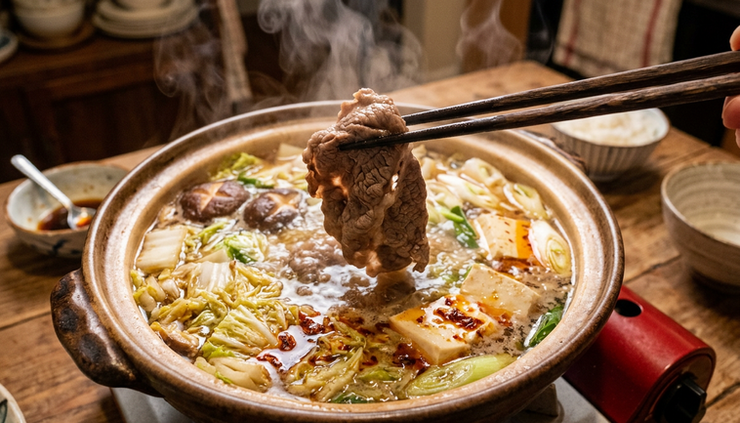
Try popular hotpot recipes from different cuisines
Once the basic method feels comfortable, explore different broth styles. Hotpot appears across many food traditions, and each version brings its own seasoning logic.
Chinese Sichuan hotpot brings bold heat
Sichuan hotpot is known for a red, spicy broth seasoned with dried chiles, Sichuan peppercorns, garlic, ginger, scallions, and fermented bean paste. It often includes beef, lamb, tripe, fish balls, tofu skin, lotus root, mushrooms, and leafy greens.
For a beginner-friendly version, use store-bought Sichuan hotpot base and dilute it with stock. Start with less base than the package suggests, then add more if you want extra heat.
Japanese shabu-shabu keeps things light and clean
Shabu-shabu uses a mild kombu broth and very thin slices of beef or pork. The meat cooks with a quick swish in the hot broth. Common sides include napa cabbage, tofu, mushrooms, carrots, udon, ponzu, and sesame dipping sauce.
This is one of the best styles for beginners because the broth is gentle and the ingredients are easy to manage.
Korean jeongol is hearty and generous
Jeongol is a Korean-style hotpot often arranged beautifully in the pot before cooking. Broths may use anchovy stock, kelp, gochujang, doenjang, soy sauce, garlic, and scallions.
Popular versions include budae jeongol with sausage, kimchi, tofu, mushrooms, and noodles, or mushroom jeongol with a clear, savory broth. Add kimchi if you like tang and heat.
Thai-style hotpot adds herbs and brightness
Thai-style hotpot can lean toward tom yum flavors, with lemongrass, galangal, makrut lime leaves, lime juice, fish sauce, chiles, and shrimp. It tastes bright, spicy, sour, and aromatic.
Seafood, mushrooms, tomatoes, napa cabbage, and rice noodles work especially well here. Add lime juice near the end so it stays fresh.
Vietnamese lau is fresh and flexible
Vietnamese lau often includes a sweet-savory broth with seafood, beef, chicken, or vegetables. Some versions use tamarind for sourness, while others use tomato, pineapple, herbs, or fish sauce.
Serve with rice noodles, water spinach, cabbage, mushrooms, and plenty of fresh herbs. The result feels light but flavorful.
Mongolian-style hotpot highlights lamb and simple broth
Mongolian-style hotpot often centers on thin-sliced lamb cooked in a clear broth with scallions, ginger, and spices. The dipping sauces bring much of the flavor, especially sesame-based sauces with garlic, chili, and fermented tofu.
This style is great when the ingredients are high quality and you want the meat to stand out.
Make your hotpot your own
The best hotpot is the one people at the table enjoy. Once you understand the basics, you can adjust almost everything.
Try a few of these ideas:
Make a split pot with spicy broth on one side and mild broth on the other.
Add corn, squash, or daikon for sweetness.
Use coconut milk with curry paste for a creamy broth.
Build a vegetarian hotpot with mushroom stock, tofu, greens, noodles, and sesame sauce.
Set out a sauce bar with soy sauce, vinegar, sesame paste, chili crisp, garlic, herbs, and lime.
Add leftovers like cooked chicken, roasted vegetables, or frozen dumplings.
Hotpot is forgiving. If the broth tastes too strong, dilute it. If it tastes flat, season it. If one ingredient does not work, try another next time. That is part of the fun.
FAQ
Can I make hotpot without a special hotpot cooker?
Yes. Use a wide pot on a portable electric burner or butane burner. You can also cook everything on the stove and bring bowls to the table, though you will miss the interactive part.
What broth is best for a first hotpot?
A mild chicken, vegetable, or mushroom broth is the easiest place to start. It pairs with meat, seafood, tofu, vegetables, noodles, and most dipping sauces.
How much food should I prepare per person?
Plan on a balanced mix rather than a huge amount of one item. For each person, prepare a few ounces of protein, several handfuls of vegetables, some mushrooms, and a small portion of noodles or dumplings.
Can I reuse hotpot broth?
You can save broth if it has been handled safely, but it should be strained, cooled quickly, refrigerated, and used soon. If raw meat or seafood was cooked in it, bring it to a full boil before reusing.
How do I keep hotpot from getting too salty?
Start with a lightly seasoned broth and taste as you cook. Avoid adding too much soy sauce or hotpot base at the beginning. Keep water or unsalted stock nearby so you can dilute the broth if needed.
Hotpot rewards curiosity. Begin with a simple broth, fresh ingredients, and one or two sauces. Then change the spices, swap the greens, try a new noodle, or build a broth inspired by another cuisine. The more you cook it, the more natural the seasoning decisions feel, and the more personal your hotpot table becomes.


Comments