
_edited.jpg)

How to Cook and Season Smoked Ribs for Specialty Soups
- Chef Gary W Irvin II
- 1 day ago
- 9 min read

A good soup rib does more than add meat. It gives the broth smoke, collagen, roasted pork flavor, gentle fat, and a little backbone. The trick is cooking the ribs so they are tender enough to shred, but not so heavily seasoned that they take over the whole pot.
Ribs made for soup need a slightly different approach than ribs served by the slab. You want a clean smoke flavor, a balanced spice rub, and enough salt to season the meat without turning the broth harsh. You also want bones and cartilage because they add body as the soup simmers.
This guide walks through how to cook, season, smoke, cut, and add ribs to specialty soups like bean soup, pozole-style stew, ramen-inspired bowls, collard green soup, potato chowder, lentil soup, and smoky vegetable broths.

Choose ribs that will build a better broth
For soup, the best ribs are not always the prettiest ribs. A competition-style rack with a thick sweet glaze can make a beautiful plate, but it can taste odd in a pot of beans or greens. Soup ribs should be meaty, smoky, and lightly seasoned.
Baby back ribs work well when you want leaner, tender meat. They cook a bit faster and shred neatly. Spare ribs bring more fat, cartilage, and connective tissue, which can make the broth richer. St. Louis-style ribs are a trimmed version of spare ribs and give a good balance of meat and structure.
If the goal is deep broth, choose ribs with:
Visible meat between the bones
Some fat, but not thick waxy patches
Fresh color and no sour smell
Bones with cartilage and connective tissue still attached
No heavy pre-marinated coating
Pork Ribs are a strong choice for specialty soups because they contribute both meat and body. The bones help flavor the liquid, and the cooked meat can be pulled into bite-size pieces before serving.
Avoid ribs that are already sauced, candied, or coated in a strong barbecue rub. Sweet sauce, too much paprika, and aggressive smoke can make the finished soup taste muddy.
Season ribs for soup, not for the grill plate
Ribs for soup need seasoning that survives long cooking without becoming loud. Think savory, aromatic, and flexible. You can always add heat, acid, herbs, or sauce to the finished soup. You cannot easily remove a heavy rub once it has dissolved into the broth.
Start with this base seasoning for one rack of ribs:
Ingredient | Amount | Purpose |
Kosher salt | 1 to 1 1/2 teaspoons per pound | Seasons the meat and bones |
Black pepper | 1 teaspoon | Adds gentle bite |
Garlic powder | 1 teaspoon | Gives savory depth |
Onion powder | 1 teaspoon | Rounds out the broth |
Smoked or sweet paprika | 1 teaspoon | Adds color and mild warmth |
Ground cumin | 1/2 teaspoon | Works well in bean, lentil, and pozole-style soups |
Brown sugar | 1 teaspoon, optional | Helps browning, but keep it light |
Use the smaller amount of salt if the ribs will simmer in a reduced broth, canned beans, store-bought stock, or any soup that includes ham, sausage, bacon, or salty condiments. Use the larger amount if the soup base is mostly vegetables, water, or unsalted stock.
For a cleaner soup flavor, skip thick barbecue sauce during smoking. Sauce can burn on the smoker and later make the broth too sweet. If you want a barbecue note, stir a small amount into the finished soup instead.
Match the rub to the soup style
A basic rub works across many recipes, but small changes can make the ribs fit the final bowl better.
For bean soup, use black pepper, garlic, onion, bay leaf, and a little cumin. Add thyme if the soup is white bean or navy bean based.
For pozole-style soup, lean into cumin, oregano, garlic, mild chile powder, and a small amount of coriander. Keep sugar out.
For ramen-inspired soup, keep the rib seasoning simple. Use salt, pepper, garlic, ginger powder, and a touch of white pepper. Skip paprika if you want a cleaner broth.
For collard green or cabbage soup, use black pepper, garlic, onion, a pinch of red pepper flakes, and very little sugar. The greens will bring their own earthy flavor.
For creamy potato or corn soup, go mild. Salt, pepper, garlic, onion, and a small amount of paprika will give smoke and color without clashing with dairy.
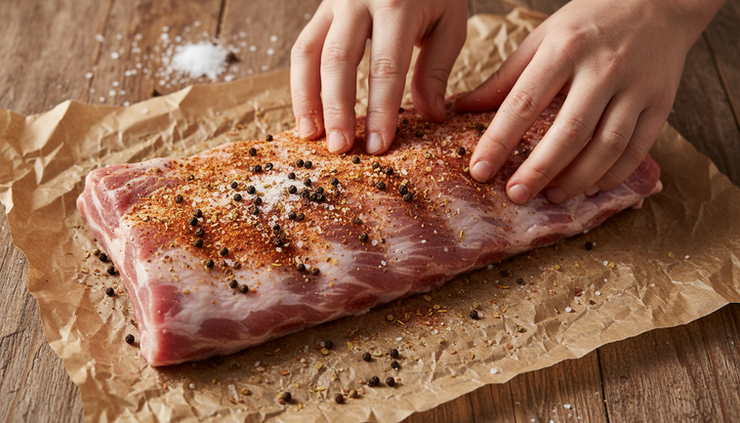
Prep the ribs before they hit the smoker
Start by removing the membrane from the bone side of the ribs. Slide a butter knife under the thin silver skin, grip it with a paper towel, and pull it away. Removing it helps smoke and seasoning reach the meat, and it makes the ribs easier to shred later.
Pat the ribs dry. Moisture on the surface slows browning and can make the rub clump. Coat lightly with mustard, oil, or nothing at all. Mustard helps the rub stick, but the flavor fades during cooking. Oil gives a slightly smoother surface. Either is fine.
Season the ribs evenly on both sides. Then let them rest in the refrigerator for at least 1 hour, or up to overnight. This gives the salt time to move into the meat. If you only have 20 minutes, season them and move forward. The soup will still be good.
Before smoking, let the ribs sit at room temperature while the smoker heats. Do not leave them out for long. The goal is only to take off the refrigerator chill.
Smoke the ribs until they are tender, not falling apart
Set the smoker to 225°F to 250°F. This range gives the ribs enough time to absorb smoke and soften without drying out too quickly.
Use wood that supports soup rather than dominating it. Apple, cherry, pecan, oak, and maple are good choices. Hickory can work, but use it lightly. Mesquite is often too sharp for soup unless you want a bold Southwestern-style pot.
Place the ribs bone side down. Smoke them uncovered until the surface darkens and the meat starts to pull back slightly from the bones. This usually takes a few hours, depending on the rib cut and smoker.
Then wrap the ribs in butcher paper or foil with a small splash of unsalted stock, apple cider, or water. Keep the liquid modest. You are not braising yet, just protecting the meat and helping it soften.
Cook until the ribs bend easily and a probe slides between the bones with little resistance. For ribs that will go into soup, you can pull them a little earlier than plate ribs if they will simmer again in the pot. If you want to shred the meat before adding it, cook them until very tender.
The best soup ribs taste smoky and seasoned on their own, but still leave room for the broth, beans, vegetables, herbs, and acid to speak.
Let the ribs rest for 20 to 30 minutes after smoking. Resting keeps the juices in the meat and makes slicing easier.

Decide how the ribs should go into the soup
There are three good ways to use smoked ribs in specialty soups. The right method depends on the soup style and the texture you want.
Simmer the bones and meat together
This method gives the deepest broth. Cut the rack into two-bone or three-bone sections and add them to the soup base after the aromatics have cooked. Simmer gently until the vegetables, beans, or grains are done.
Once the meat loosens, pull out the rib sections. Remove the meat from the bones, chop or shred it, and return the meat to the pot. Discard the bones and any large pieces of cartilage.
This works well for:
White bean soup
Lentil soup
Split pea soup
Collard green soup
Cabbage soup
Smoky tomato and vegetable soup
Keep the simmer gentle. A hard boil can break the meat into dry strings and make the broth greasy.
Pull the meat first and use the bones for stock
This gives you more control. Remove the rib meat after smoking, then simmer the bones separately in water or unsalted stock with onion, celery, garlic, bay leaf, and peppercorns. Strain the stock, skim the fat, and use it as the soup base.
Add the pulled meat near the end so it stays tender.
This method works well when you want a cleaner presentation, such as ramen-inspired bowls, pozole-style soups, or restaurant-style broths.
Dice the rib meat and add it at the end
Use this method for creamy soups, chowders, and quick specialty soups. Dice or shred the smoked meat, then stir it in during the last 10 to 15 minutes of cooking.
This keeps the rib flavor present without turning the entire pot smoky. It also prevents dairy-based soups from taking on too much fat from the bones.
Build the soup around smoke, salt, fat, acid, and heat
Smoked rib soup can fall flat if it only tastes smoky and salty. The best versions have balance.
Use aromatics early. Onion, celery, carrot, garlic, leeks, fennel, and peppers help turn smoked meat into a full soup. Let them soften in a little oil or rendered fat before adding liquid.
Add herbs with purpose. Bay leaf, thyme, oregano, parsley stems, cilantro stems, and scallions all work, but not all in one pot. Match the herb to the soup’s direction.
Use acid near the end. A splash of apple cider vinegar, lime juice, lemon juice, pickle brine, or hot sauce can wake up the broth. Add it slowly and taste as you go. Acid is especially helpful with beans, greens, and fatty ribs.
Control the fat. Smoked ribs add richness, but too much surface fat can dull the soup. Skim during simmering, or chill the soup and lift off the hardened fat before reheating.
Hold back on salt until the end. Ribs release seasoning as they simmer. Beans, stock, canned tomatoes, and condiments can add more. Taste after the ribs have cooked in the broth for a while, then adjust.
Try these specialty soup combinations
Once you understand the method, smoked rib soup becomes flexible. These combinations are a strong place to start.
Smoky white bean and rib soup
Use smoked rib sections, white beans, onion, celery, garlic, bay leaf, thyme, and unsalted stock. Simmer until the beans are creamy and the meat pulls from the bone. Finish with parsley and a little cider vinegar.
Pozole-style smoked rib soup
Use rib meat and rib stock with hominy, onion, garlic, oregano, cumin, mild chile, and cabbage or radish for serving. Finish with lime. Keep the rib rub low in sugar so the broth stays savory.
Collard green and smoked rib soup
Simmer ribs with collard greens, onion, garlic, black pepper, red pepper flakes, and stock. Add a splash of vinegar at the end. This soup should taste smoky, peppery, and bright.
Smoked rib ramen-inspired bowl
Make a rib bone broth, then season it with ginger, garlic, soy sauce, and a little rice vinegar. Add noodles, mushrooms, scallions, greens, and sliced smoked rib meat. Keep the smoke gentle so it does not overpower the bowl.
Creamy potato soup with smoked rib meat
Cook potatoes with onion, garlic, celery, and stock until tender. Blend part of the soup, add cream or milk, then stir in diced rib meat near the end. Finish with chives and black pepper.

Store smoked ribs for future soups
One of the best reasons to smoke ribs for soup is that the work pays off later. Cook once, then freeze meat and bones in portions.
Let the ribs cool, then pull the meat from the bones. Store the meat and bones separately if you want flexibility. Refrigerate for up to a few days, or freeze for longer storage.
For easy soup prep, freeze:
Pulled rib meat in 1-cup portions
Rib bones in freezer bags for stock
Small containers of skimmed rib broth
Chopped rib meat for chowders and quick soups
Label the bags with the date and whether the ribs were heavily seasoned. That small note helps when building a future soup.
When reheating, add the meat gently. Already-smoked rib meat can dry out if boiled hard. Warm it in the soup near the end, or simmer bones first and add the meat after straining.
Common mistakes that make rib soup taste heavy
Too much smoke is the most common problem. Soup concentrates flavor as it simmers. If the ribs taste intensely smoky before they go into the pot, the finished soup may feel bitter or flat.
Too much sugar is another issue. Sweet rib rub can work on a plate, but in soup it can clash with beans, greens, tomatoes, and chile. Keep sugar low or skip it.
A hard boil can also hurt the texture. Gentle simmering keeps the meat moist and the broth clearer.
Using only meat and no bones gives less depth. If you have bones, use them. Even a short simmer can add body.
Skipping acid at the end leaves the soup tasting dull. Smoke and fat need brightness. A small splash of vinegar or citrus often brings the whole pot together.
What success tastes like
Well-prepared Smoked Ribs should give specialty soups a rich, savory base without making every spoonful taste like barbecue sauce. The meat should be tender, the broth should feel rounded, and the seasoning should support the soup’s main ingredients.
Cook the ribs with a lighter hand than you would for a platter. Use clean smoke, moderate salt, and savory spices. Let the bones do some work in the pot. Finish with herbs, acid, and careful seasoning.
That is how smoked ribs become more than leftovers. They become the reason the soup tastes layered, warm, and worth making again.


Comments