


How to Cook and Season Tomato Parsnip Soup for Rich Flavor and Perfect Texture

Tomato soup can turn flat if it leans too acidic, and parsnip soup can taste too sweet if it has no bright edge. Put the two together, and you get a deeply comforting bowl with balance: tangy tomatoes, earthy-sweet parsnips, savory aromatics, and enough herbs and spices to make every spoonful interesting.
This is the kind of soup that feels familiar but still a little special. It works for a weeknight dinner, a make-ahead lunch, or a cozy first course. The key is to cook the vegetables long enough to develop flavor, season in layers, and blend until the texture matches the mood, silky, rustic, or somewhere in between.
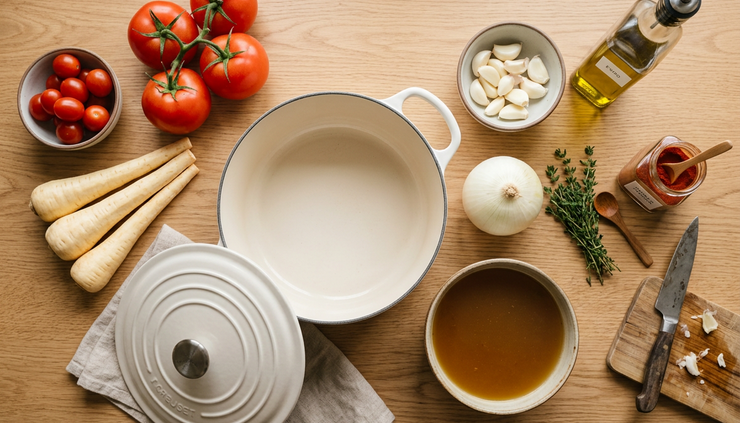
Why tomatoes and parsnips work so well together
Tomatoes bring brightness, acidity, and a savory depth that gets richer as they simmer. Parsnips bring sweetness, body, and a gently nutty flavor. When cooked together, they soften each other’s sharper edges.
The best Tomato-Parsnip Soup has three layers of flavor:
Aromatic base
Onion, garlic, and celery or carrot create a savory foundation.
Main vegetables
Tomatoes give the soup tang and color. Parsnips add creaminess without needing much cream.
Seasoning and finish
Herbs, spices, vinegar, lemon, cream, or olive oil fine-tune the final bowl.
Parsnips also help with texture. Once simmered and blended, they break down into a smooth puree. That makes the soup feel velvety even if it is dairy-free. Tomatoes keep the soup from feeling heavy, especially when balanced with a small splash of acid or a fresh herb finish.
For the tomatoes, canned whole tomatoes are reliable year-round. Crushed tomatoes work too, but whole tomatoes often have a fresher flavor and better body. In summer, ripe fresh tomatoes are wonderful, especially if you roast them first.
For the parsnips, choose firm roots with smooth skin. Large parsnips can have woody cores, so cut them lengthwise and remove any tough center if needed. Smaller to medium parsnips usually cook evenly and blend well.
Gather the ingredients and prep them well
A good soup does not need a long ingredient list. It does need a little care at the beginning. Even chopping helps everything cook evenly, and seasoning early gives the vegetables time to absorb flavor.
A balanced ingredient list
For about 4 to 6 servings, use:
2 tablespoons olive oil or unsalted butter
1 medium yellow onion, chopped
2 garlic cloves, minced
1 celery stalk, chopped, optional
1 1/2 pounds parsnips, peeled and cut into 1-inch pieces
1 can whole peeled tomatoes, 28 ounces
4 cups vegetable or chicken broth
1 teaspoon kosher salt, plus more to taste
1/2 teaspoon black pepper
1 teaspoon dried thyme or 1 tablespoon fresh thyme leaves
1/2 teaspoon smoked paprika, optional
1 bay leaf
1 to 2 teaspoons apple cider vinegar or lemon juice
1/4 cup heavy cream, coconut milk, or plain Greek yogurt, optional
What each key ingredient adds
Parsnips give the soup natural sweetness and a creamy texture. They also add a mild earthiness that keeps the soup from tasting like plain tomato soup.
Tomatoes bring acidity, color, and a savory base. Canned tomatoes are convenient and consistent, while fresh tomatoes add a lighter, brighter taste.
Onion and garlic build the soup’s backbone. Cooking them until soft, not browned too hard, gives the soup sweetness without bitterness.
Broth controls richness. Vegetable broth keeps the soup light and plant-based. Chicken broth makes it a bit rounder and more savory.
Thyme and bay leaf add a woodsy note that fits both tomatoes and root vegetables.
Acid at the end wakes everything up. A small amount of vinegar or lemon juice can make the soup taste more complete, not sour.
Cook the soup in steady, flavorful steps
This method keeps the process simple while giving each ingredient time to do its job. A heavy pot or Dutch oven works best because it holds heat evenly.
1. Soften the aromatics
Warm the olive oil or butter in a large pot over medium heat. Add the onion, celery if using, and a pinch of salt. Cook for 6 to 8 minutes, stirring now and then, until the onion turns soft and translucent.
Add the garlic and cook for about 30 seconds. Garlic burns quickly, so stir just until it smells fragrant.
This step matters because raw onion flavor can linger in blended soup. A gentle sauté makes the base sweeter and smoother.
2. Add the parsnips and season early
Stir in the chopped parsnips, kosher salt, black pepper, thyme, and smoked paprika if using. Cook for 4 to 5 minutes, letting the parsnips pick up some flavor from the oil and aromatics.
You do not need to brown them deeply. A little contact with the hot pot gives them a warmer taste and keeps the final soup from feeling one-note.
3. Add tomatoes and broth
Pour in the tomatoes with their juices. Crush the tomatoes with a wooden spoon as they go into the pot. Add the broth and bay leaf.
Bring the soup to a boil, then reduce the heat to a gentle simmer. Cover the pot partly and cook for 25 to 35 minutes, until the parsnips are very tender.
A fork should slide through them easily. If they still feel firm in the center, keep simmering. Blending undercooked parsnips can give the soup a grainy texture.
4. Remove the bay leaf and blend
Take out the bay leaf. Blend the soup with an immersion blender directly in the pot, or transfer it in batches to a countertop blender.
For a very smooth soup, blend longer than you think you need to. Parsnips can take a little extra time to become silky.
If using a countertop blender, leave the center cap slightly open and cover it with a kitchen towel so steam can escape. Hot soup expands, and a sealed blender can build pressure.
5. Adjust texture and seasoning
Return the soup to low heat. If it is too thick, add broth or water a splash at a time. If it is too thin, simmer uncovered for 5 to 10 minutes.
Stir in lemon juice or vinegar. Taste, then add more salt, pepper, or acid as needed. If using cream, coconut milk, or yogurt, add it at the end and warm gently.
The best time to fix soup is after blending. Texture, salt, sweetness, and acidity all become clearer once the ingredients are fully combined.

Season the soup to match the flavor you want
Tomato-Parsnip Soup can go in several directions. The base is flexible, so the seasoning depends on whether you want it cozy, bright, smoky, spicy, or creamy.
Flavor goal | Seasonings to use | Best finish |
Classic and herb-forward | Thyme, bay leaf, parsley, black pepper | Olive oil or cream |
Warm and smoky | Smoked paprika, cumin, roasted garlic | Toasted seeds or sour cream |
Bright and fresh | Basil, oregano, lemon zest, red pepper flakes | Lemon juice and fresh basil |
Cozy and spiced | Coriander, ginger, turmeric, white pepper | Coconut milk |
Rich and savory | Rosemary, sage, fennel seed, Parmesan rind | Grated Parmesan or butter |
Herbs that work especially well
Thyme is the safest choice. It adds a gentle herbal note without taking over.
Basil makes the soup taste more tomato-forward. Add fresh basil after blending, not during a long simmer, so it stays fragrant.
Rosemary is strong. Use a small sprig while simmering, then remove it before blending.
Parsley is best as a garnish. It adds freshness after the soup has cooked.
Oregano gives the soup an Italian-style flavor. Use a light hand with dried oregano, since it can turn bitter if overused.
Spices that add depth
Smoked paprika is one of the easiest upgrades. It gives the soup a roasted feel even if you did not roast the vegetables.
Cumin adds warmth and earthiness. It pairs well with parsnips, especially if you finish the soup with yogurt.
Coriander is citrusy and gentle. It works beautifully with carrots, parsnips, tomatoes, and lemon.
Red pepper flakes add heat. Start small, then increase. A little spice can make the tomato flavor taste brighter.
Ginger brings warmth and freshness. It is especially good if you finish the soup with coconut milk.
Get the perfect texture and taste
Texture can make or break a blended soup. The goal is not always restaurant-smooth. Sometimes a slightly rustic texture feels more homemade and satisfying. The trick is knowing how to control it.
For a silky soup
Use enough liquid to let the blender move freely. Blend in batches if needed. Add a little olive oil, butter, cream, or coconut milk after blending to round out the texture.
For the smoothest result, strain the soup through a fine-mesh sieve. This step is optional, but it removes tomato seeds and any fibrous bits from the parsnips.
For a thicker soup
Use less broth at first. You can always add more later. Simmer uncovered after blending to reduce extra liquid.
A small potato can also help thicken the soup, but parsnips already provide body. Add potato only if you want a heartier bowl.
For better flavor balance
If the soup tastes too sharp, add a small pinch of sugar, a splash of cream, or a bit more cooked parsnip.
If it tastes too sweet, add lemon juice, vinegar, black pepper, or a pinch of red pepper flakes.
If it tastes flat, add salt in small amounts. Then taste again. Many soups do not need more spices, they need enough salt to bring the existing flavors forward.
If it tastes heavy, finish with fresh herbs or a little acid.
For a richer taste
Roast the tomatoes and parsnips before simmering. Toss them with olive oil, salt, and pepper, then roast at 425°F until lightly browned and tender. This adds caramelized flavor and makes the soup taste deeper.
You can also add a Parmesan rind during simmering. Remove it before blending. It adds savory depth without making the soup taste cheesy.
Try variations that make the soup your own
Once the basic method feels familiar, adjust it based on what is in the kitchen.
For a creamy version, stir in heavy cream, half-and-half, coconut milk, or cashew cream. Add dairy on low heat so it does not separate.
For a spicy version, cook red pepper flakes with the garlic or add a spoonful of harissa. A smoky chile powder also works well.
For a roasted vegetable version, roast the parsnips, tomatoes, onion, and garlic before adding them to the pot with broth. Blend once everything is tender.
For a protein-friendly meal, serve the soup with grilled cheese, white beans, lentils, shredded chicken, or crispy chickpeas.
For a fresh finish, top each bowl with one or more of these:
Chopped basil or parsley
Toasted pumpkin seeds
Garlic croutons
Greek yogurt or sour cream
Chili oil
Grated Parmesan
A drizzle of extra-virgin olive oil
Soup is forgiving. Change the herbs, swap the broth, add heat, or make it creamier. The best version is the one that tastes balanced to you.
FAQ
Can I make this soup ahead of time?
Yes. This soup keeps well because the flavors settle and deepen after a day. Store it in an airtight container in the refrigerator for up to 4 days.
Can I freeze tomato parsnip soup?
Yes. Freeze it without cream for the best texture. Add cream, yogurt, or coconut milk after reheating.
Why does my soup taste too acidic?
Tomatoes vary in acidity. Add a little more cooked parsnip, a pinch of sugar, or a splash of cream. Taste after each small adjustment.
Do I have to peel the parsnips?
Peeling gives the smoothest texture. If the parsnips are very young and tender, scrubbing may be enough, but peeled parsnips are better for blended soup.
Can I use fresh tomatoes instead of canned?
Yes. Use ripe tomatoes and cook them until they break down fully. For deeper flavor, roast them first with olive oil, salt, and pepper.
A cozy soup built on balance
Great tomato parsnip soup comes down to balance. Let the onion and garlic soften, simmer the parsnips until tender, blend patiently, then season with care. Herbs bring freshness, spices add warmth, and a small splash of acid at the end makes the whole pot taste brighter.
Start with the basic recipe, then adjust it. Make it smoky, creamy, spicy, herb-heavy, or extra rustic. Once the texture feels right and the flavor tastes full, the soup is ready for a bowl, a spoon, and maybe a thick slice of toast.


Comments