


How to Make Authentic Japanese Ramen at Home Broth Noodles Seasoning and Toppings

Great ramen starts before the noodles ever touch the pot. The bowl that tastes rich, balanced, and deeply savory comes from four parts working together: broth, tare seasoning, noodles, and toppings.
That may sound like restaurant work, but home ramen is very doable when the process is broken down. You do not need a tiny Tokyo ramen shop in your kitchen. You need a good pot of broth, the right noodle texture, a seasoning base that fits your taste, and a few toppings that make the bowl feel complete.
This guide will help you Learn how to cook and season Ramen Soups from Japan in a practical way, with enough detail to make the results satisfying without turning dinner into a two-day project.

Authentic ramen broth begins with patience and balance
Ramen broth is the body of the bowl. It carries the aroma, mouthfeel, and depth. In Japan, ramen shops often specialize in one broth style, from clear chicken shoyu ramen to cloudy pork tonkotsu. At home, the easiest path is a flavorful chicken and pork broth that gives richness without needing extreme equipment.
Think of broth in layers:
Bones and meat give body and savory flavor.
Aromatics add sweetness and fragrance.
Kombu and dried mushrooms bring gentle umami.
Time pulls everything together.
This recipe makes enough broth for about 4 generous bowls.
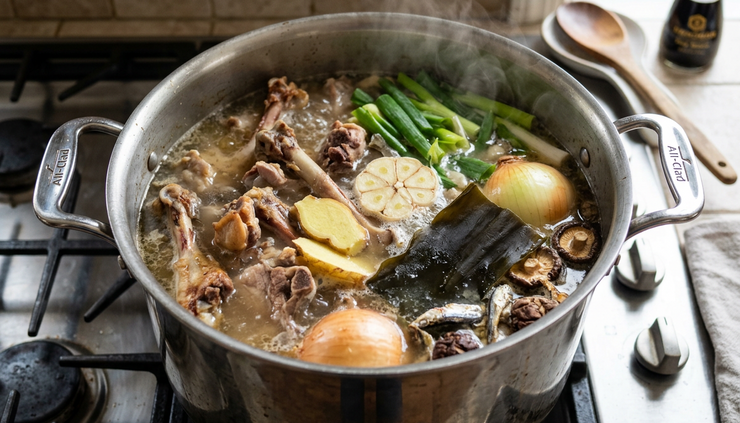
Ingredients for a home ramen broth
2 pounds chicken backs, wings, or drumsticks
1 pound pork neck bones or pork ribs
1 yellow onion, halved
1 head garlic, halved crosswise
2-inch piece fresh ginger, sliced
2 green onions, cut into large pieces
1 piece kombu, about 4 by 4 inches
4 dried shiitake mushrooms
10 to 12 cups cold water
If pork bones are not available, use all chicken. The broth will be lighter, but still delicious.
Step-by-step guide to preparing ramen broth
Rinse the bones
Place the chicken and pork bones under cold running water. Rinse away surface blood and loose bits. This helps the broth taste cleaner.
Blanch the bones
Put the bones in a large pot and cover with cold water. Bring to a boil and cook for about 5 minutes. Drain the bones, then rinse them again. Wash the pot before continuing.
This step makes a big difference, especially with pork bones. It removes impurities that can make broth muddy or harsh.
Start the broth with fresh water
Return the cleaned bones to the pot. Add 10 to 12 cups cold water. Bring the pot to a gentle boil, then lower the heat to a steady simmer.
Skim early and often
During the first 30 minutes, skim foam from the surface with a spoon. Once the broth settles, the flavor becomes cleaner and more focused.
Add aromatics
Add onion, garlic, ginger, and green onions. Keep the broth at a gentle simmer for 3 to 5 hours. For a clearer broth, do not boil hard. For a richer, slightly cloudy broth, let it bubble more actively.
Add kombu and dried shiitake near the end
Add kombu and dried shiitake during the final 30 to 45 minutes. Kombu can turn bitter or slippery if boiled for too long, so it works best as a finishing ingredient.
Strain the broth
Pour the broth through a fine-mesh strainer. Press gently on the solids, but do not mash them too hard if you want a clean texture.
Chill and skim if making ahead
If you make broth a day early, chill it overnight. Fat will rise and firm up on top. Keep some of that fat for flavor, then remove any excess.
A good broth should taste savory and rounded, but not fully seasoned yet. The salt and final character come later from the tare, the concentrated seasoning added to each bowl.
Ramen noodles bring chew, spring, and personality
Noodles are not just a filler. They shape the whole eating experience. Japanese Ramen Soups use alkaline wheat noodles, which have a firm, springy bite and a yellowish color. The alkaline ingredient, often called kansui, gives ramen noodles their signature chew.
Fresh ramen noodles are ideal if available at an Asian market or specialty grocery store. Dried ramen noodles can also work well. Instant noodles are fine for a quick meal, but they usually lack the texture needed for a more authentic bowl.
Noodle type | Characteristics | Best with |
Thin straight noodles | Firm, quick-cooking, clean bite | Lighter shio or shoyu broth |
Thin wavy noodles | Springy, holds broth well | Soy sauce ramen and miso ramen |
Medium noodles | Balanced chew and body | Most home ramen styles |
Thick noodles | Dense, chewy, filling | Rich miso or pork-based broth |
Fresh alkaline noodles | Best bounce and texture | Any ramen when quality matters |
Dried ramen noodles | Convenient and pantry-friendly | Weeknight ramen bowls |
Cook noodles separately from the broth. This keeps excess starch out of the soup and helps the noodles stay lively.
For best results:
Use a large pot of boiling water.
Cook noodles right before serving.
Follow the package timing, then taste early.
Drain well, but do not rinse unless the package says to.
Add noodles to the bowl immediately.
Ramen noodles continue softening in hot broth. Aim for slightly firm rather than soft. The first bite should have a little resistance.
Seasoning ramen means building tare with soy sauce, miso, or salt
Broth gives body, but tare gives identity. Tare is the concentrated seasoning placed in the bottom of the bowl before the hot broth goes in. This is where ramen becomes shoyu, miso, or shio.
The helpful home-cook rule is simple: season each bowl, not the whole pot. That way, you can adjust saltiness, try different styles, and avoid ruining a full batch of broth.
Shoyu tare gives ramen a soy sauce depth
Shoyu ramen is seasoned with soy sauce. It tastes savory, slightly sweet, and aromatic. Use Japanese soy sauce if possible, since it has a balanced flavor that works well in broth.
For 4 bowls, mix:
1/2 cup Japanese soy sauce
2 tablespoons mirin
1 tablespoon sake, optional
1 teaspoon sugar
1 small piece kombu, optional
Warm everything gently until the sugar dissolves. Remove the kombu before it simmers hard.
Use about 1 to 2 tablespoons tare per bowl, then adjust after tasting.
Miso tare makes ramen rich and hearty
Miso ramen is bold, earthy, and comforting. It pairs beautifully with thicker noodles, corn, butter, cabbage, ground pork, and chili oil.
For 4 bowls, mix:
1/2 cup miso
1 tablespoon soy sauce
1 tablespoon mirin
1 teaspoon grated ginger
1 small grated garlic clove
1 teaspoon sesame oil
White miso is sweeter and milder. Red miso is stronger and saltier. A blend gives good balance.
Do not boil miso aggressively after adding it to the broth. High heat can flatten its aroma. Whisk it into hot broth just before serving.
Shio tare keeps the flavor clean and clear
Shio ramen uses salt as the main seasoning. It sounds simple, but it can taste elegant when the broth is good.
For 4 bowls, mix:
2 tablespoons kosher salt
1/4 cup hot water
1 tablespoon mirin
1 teaspoon light soy sauce, optional
A few drops sesame oil or chicken fat
Use shio tare lightly at first. Salt-based seasoning can become too sharp if added quickly.
Taste the broth after adding tare, not before. Unseasoned ramen broth should taste incomplete. The bowl comes alive when tare, broth, fat, and noodles meet.

Toppings turn a good bowl into a memorable one
Toppings add contrast. They bring richness, freshness, crunch, color, and aroma. A bowl with only noodles and broth can taste good, but the right toppings make ramen feel complete.
Chashu adds savory richness
Chashu is Japanese braised pork, often made with pork belly or pork shoulder. Pork belly gives soft, rich slices. Pork shoulder is leaner and easier to handle.
A simple home method is to simmer pork in soy sauce, sake or water, mirin, sugar, ginger, garlic, and green onion until tender. Chill it before slicing so the pieces hold together. Warm slices briefly in hot broth before serving.
If homemade chashu feels like too much, use leftover roast pork, shredded chicken, sautéed mushrooms, or tofu. The goal is a tender topping with savory depth.
Green onions add freshness
Green onions cut through the richness of broth and pork. Slice them thinly for a sharp bite, or cut them on a bias for a softer look and texture.
Use both white and green parts. The white part has more bite. The green part adds color and freshness.
Soft-boiled eggs make ramen feel special
Ramen eggs, or ajitama, are soft-boiled eggs marinated in a soy-based mixture. The yolk should be jammy, not runny like water and not fully chalky.
A reliable method:
Bring water to a boil.
Lower cold large eggs into the water.
Boil for 6 1/2 to 7 minutes.
Transfer to ice water.
Peel carefully.
Marinate in a mix of soy sauce, mirin, and water for a few hours or overnight.
Cut the egg in half right before serving. A sharp knife helps keep the yolk neat.
Other toppings worth trying
Once the basics are covered, add one or two extras. Too many toppings can crowd the bowl.
Good options include:
Nori sheets
Bamboo shoots
Corn
Bean sprouts
Sautéed mushrooms
Spinach
Chili oil
Toasted sesame seeds
Menma
Butter for miso ramen
Keep toppings warm or room temperature when possible. Cold toppings can cool the broth too quickly.
Build the bowl in the right order
Ramen assembly moves fast. Have everything ready before cooking the noodles.
Here is the best order:
Warm the bowls
Fill serving bowls with hot water for a minute, then empty them. Hot bowls keep ramen warmer for longer.
Add tare and aroma oil
Spoon tare into each bowl. Add a little flavorful fat, such as chicken fat, pork fat, sesame oil, chili oil, or scallion oil.
Pour in hot broth
Add very hot broth and stir to combine with the tare.
Cook the noodles
Boil noodles in a separate pot. Drain well.
Add noodles to the broth
Place noodles in the bowl and loosen them with chopsticks or tongs.
Arrange toppings
Add chashu, egg, green onions, and any extras. Work quickly so the bowl stays hot.
Taste and adjust
If the broth tastes flat, add a few drops of soy sauce or a pinch of salt. If it tastes too salty, add a splash of unsalted hot broth or water.
The finished bowl should taste savory, hot, aromatic, and balanced. The noodles should still have chew, the broth should cling lightly, and each topping should add something useful.
If you enjoy adding seasoning blends to soups, broths, and home comfort food, try Angel Dust seasoning from Soup Angels as a pantry-friendly way to bring extra flavor to your next bowl.

FAQ
Can I make ramen broth ahead of time?
Yes. Ramen broth is often better the next day. Chill it, skim excess fat if needed, and reheat it until very hot before serving.
What is the easiest ramen style for beginners?
Shoyu ramen is a great starting point. Soy sauce tare is simple to make, easy to adjust, and works with many broths and noodles.
Can I make ramen without pork?
Yes. Use chicken bones, chicken wings, dried shiitake, kombu, and aromatics. For toppings, use chicken, tofu, mushrooms, or a marinated egg.
Why does my homemade ramen taste flat?
It may need more tare, more aroma oil, or more umami. Try a small amount of soy sauce, miso, salt, sesame oil, chicken fat, or mushroom soaking liquid.
Should ramen noodles be cooked in the broth?
No. Cook them in separate boiling water. This keeps the broth clear and prevents extra starch from changing the texture.
A homemade ramen bowl is built one layer at a time
Authentic ramen at home does not require perfection. Start with a solid broth, season each bowl with tare, choose noodles with good chew, and add toppings that bring contrast. Chashu, green onions, and soft-boiled eggs are classics for a reason, but ramen also welcomes small changes based on what is in the kitchen.
Make the broth once, then try it three ways: shoyu one night, miso the next, and shio after that. That is where home ramen becomes fun. Each bowl teaches something about balance, and each one gets a little closer to the ramen you want to make again.
Great ramen starts before the noodles ever touch the pot. The bowl that tastes rich, balanced, and deeply savory comes from four parts working together: broth, tare seasoning, noodles, and toppings.
That may sound like restaurant work, but home ramen is very doable when the process is broken down. You do not need a tiny Tokyo ramen shop in your kitchen. You need a good pot of broth, the right noodle texture, a seasoning base that fits your taste, and a few toppings that make the bowl feel complete.
This guide will help you Learn how to cook and season Ramen Soups from Japan in a practical way, with enough detail to make the results satisfying without turning dinner into a two-day project.
Authentic ramen broth begins with patience and balance
Ramen broth is the body of the bowl. It carries the aroma, mouthfeel, and depth. In Japan, ramen shops often specialize in one broth style, from clear chicken shoyu ramen to cloudy pork tonkotsu. At home, the easiest path is a flavorful chicken and pork broth that gives richness without needing extreme equipment.
Think of broth in layers:
Bones and meat give body and savory flavor.
Aromatics add sweetness and fragrance.
Kombu and dried mushrooms bring gentle umami.
Time pulls everything together.
This recipe makes enough broth for about 4 generous bowls.
Ingredients for a home ramen broth
2 pounds chicken backs, wings, or drumsticks
1 pound pork neck bones or pork ribs
1 yellow onion, halved
1 head garlic, halved crosswise
2-inch piece fresh ginger, sliced
2 green onions, cut into large pieces
1 piece kombu, about 4 by 4 inches
4 dried shiitake mushrooms
10 to 12 cups cold water
If pork bones are not available, use all chicken. The broth will be lighter, but still delicious.
Step-by-step guide to preparing ramen broth
Rinse the bones
Place the chicken and pork bones under cold running water. Rinse away surface blood and loose bits. This helps the broth taste cleaner.
Blanch the bones
Put the bones in a large pot and cover with cold water. Bring to a boil and cook for about 5 minutes. Drain the bones, then rinse them again. Wash the pot before continuing.
This step makes a big difference, especially with pork bones. It removes impurities that can make broth muddy or harsh.
Start the broth with fresh water
Return the cleaned bones to the pot. Add 10 to 12 cups cold water. Bring the pot to a gentle boil, then lower the heat to a steady simmer.
Skim early and often
During the first 30 minutes, skim foam from the surface with a spoon. Once the broth settles, the flavor becomes cleaner and more focused.
Add aromatics
Add onion, garlic, ginger, and green onions. Keep the broth at a gentle simmer for 3 to 5 hours. For a clearer broth, do not boil hard. For a richer, slightly cloudy broth, let it bubble more actively.
Add kombu and dried shiitake near the end
Add kombu and dried shiitake during the final 30 to 45 minutes. Kombu can turn bitter or slippery if boiled for too long, so it works best as a finishing ingredient.
Strain the broth
Pour the broth through a fine-mesh strainer. Press gently on the solids, but do not mash them too hard if you want a clean texture.
Chill and skim if making ahead
If you make broth a day early, chill it overnight. Fat will rise and firm up on top. Keep some of that fat for flavor, then remove any excess.
A good broth should taste savory and rounded, but not fully seasoned yet. The salt and final character come later from the tare, the concentrated seasoning added to each bowl.
Ramen noodles bring chew, spring, and personality
Noodles are not just a filler. They shape the whole eating experience. Japanese Ramen Soups use alkaline wheat noodles, which have a firm, springy bite and a yellowish color. The alkaline ingredient, often called kansui, gives ramen noodles their signature chew.
Fresh ramen noodles are ideal if available at an Asian market or specialty grocery store. Dried ramen noodles can also work well. Instant noodles are fine for a quick meal, but they usually lack the texture needed for a more authentic bowl.
Noodle type | Characteristics | Best with |
Thin straight noodles | Firm, quick-cooking, clean bite | Lighter shio or shoyu broth |
Thin wavy noodles | Springy, holds broth well | Soy sauce ramen and miso ramen |
Medium noodles | Balanced chew and body | Most home ramen styles |
Thick noodles | Dense, chewy, filling | Rich miso or pork-based broth |
Fresh alkaline noodles | Best bounce and texture | Any ramen when quality matters |
Dried ramen noodles | Convenient and pantry-friendly | Weeknight ramen bowls |
Cook noodles separately from the broth. This keeps excess starch out of the soup and helps the noodles stay lively.
For best results:
Use a large pot of boiling water.
Cook noodles right before serving.
Follow the package timing, then taste early.
Drain well, but do not rinse unless the package says to.
Add noodles to the bowl immediately.
Ramen noodles continue softening in hot broth. Aim for slightly firm rather than soft. The first bite should have a little resistance.
Seasoning ramen means building tare with soy sauce, miso, or salt
Broth gives body, but tare gives identity. Tare is the concentrated seasoning placed in the bottom of the bowl before the hot broth goes in. This is where ramen becomes shoyu, miso, or shio.
The helpful home-cook rule is simple: season each bowl, not the whole pot. That way, you can adjust saltiness, try different styles, and avoid ruining a full batch of broth.
Shoyu tare gives ramen a soy sauce depth
Shoyu ramen is seasoned with soy sauce. It tastes savory, slightly sweet, and aromatic. Use Japanese soy sauce if possible, since it has a balanced flavor that works well in broth.
For 4 bowls, mix:
1/2 cup Japanese soy sauce
2 tablespoons mirin
1 tablespoon sake, optional
1 teaspoon sugar
1 small piece kombu, optional
Warm everything gently until the sugar dissolves. Remove the kombu before it simmers hard.
Use about 1 to 2 tablespoons tare per bowl, then adjust after tasting.
Miso tare makes ramen rich and hearty
Miso ramen is bold, earthy, and comforting. It pairs beautifully with thicker noodles, corn, butter, cabbage, ground pork, and chili oil.
For 4 bowls, mix:
1/2 cup miso
1 tablespoon soy sauce
1 tablespoon mirin
1 teaspoon grated ginger
1 small grated garlic clove
1 teaspoon sesame oil
White miso is sweeter and milder. Red miso is stronger and saltier. A blend gives good balance.
Do not boil miso aggressively after adding it to the broth. High heat can flatten its aroma. Whisk it into hot broth just before serving.
Shio tare keeps the flavor clean and clear
Shio ramen uses salt as the main seasoning. It sounds simple, but it can taste elegant when the broth is good.
For 4 bowls, mix:
2 tablespoons kosher salt
1/4 cup hot water
1 tablespoon mirin
1 teaspoon light soy sauce, optional
A few drops sesame oil or chicken fat
Use shio tare lightly at first. Salt-based seasoning can become too sharp if added quickly.
Taste the broth after adding tare, not before. Unseasoned ramen broth should taste incomplete. The bowl comes alive when tare, broth, fat, and noodles meet.
Toppings turn a good bowl into a memorable one
Toppings add contrast. They bring richness, freshness, crunch, color, and aroma. A bowl with only noodles and broth can taste good, but the right toppings make ramen feel complete.
Chashu adds savory richness
Chashu is Japanese braised pork, often made with pork belly or pork shoulder. Pork belly gives soft, rich slices. Pork shoulder is leaner and easier to handle.
A simple home method is to simmer pork in soy sauce, sake or water, mirin, sugar, ginger, garlic, and green onion until tender. Chill it before slicing so the pieces hold together. Warm slices briefly in hot broth before serving.
If homemade chashu feels like too much, use leftover roast pork, shredded chicken, sautéed mushrooms, or tofu. The goal is a tender topping with savory depth.
Green onions add freshness
Green onions cut through the richness of broth and pork. Slice them thinly for a sharp bite, or cut them on a bias for a softer look and texture.
Use both white and green parts. The white part has more bite. The green part adds color and freshness.
Soft-boiled eggs make ramen feel special
Ramen eggs, or ajitama, are soft-boiled eggs marinated in a soy-based mixture. The yolk should be jammy, not runny like water and not fully chalky.
A reliable method:
Bring water to a boil.
Lower cold large eggs into the water.
Boil for 6 1/2 to 7 minutes.
Transfer to ice water.
Peel carefully.
Marinate in a mix of soy sauce, mirin, and water for a few hours or overnight.
Cut the egg in half right before serving. A sharp knife helps keep the yolk neat.
Other toppings worth trying
Once the basics are covered, add one or two extras. Too many toppings can crowd the bowl.
Good options include:
Nori sheets
Bamboo shoots
Corn
Bean sprouts
Sautéed mushrooms
Spinach
Chili oil
Toasted sesame seeds
Menma
Butter for miso ramen
Keep toppings warm or room temperature when possible. Cold toppings can cool the broth too quickly.
Build the bowl in the right order
Ramen assembly moves fast. Have everything ready before cooking the noodles.
Here is the best order:
Warm the bowls
Fill serving bowls with hot water for a minute, then empty them. Hot bowls keep ramen warmer for longer.
Add tare and aroma oil
Spoon tare into each bowl. Add a little flavorful fat, such as chicken fat, pork fat, sesame oil, chili oil, or scallion oil.
Pour in hot broth
Add very hot broth and stir to combine with the tare.
Cook the noodles
Boil noodles in a separate pot. Drain well.
Add noodles to the broth
Place noodles in the bowl and loosen them with chopsticks or tongs.
Arrange toppings
Add chashu, egg, green onions, and any extras. Work quickly so the bowl stays hot.
Taste and adjust
If the broth tastes flat, add a few drops of soy sauce or a pinch of salt. If it tastes too salty, add a splash of unsalted hot broth or water.
The finished bowl should taste savory, hot, aromatic, and balanced. The noodles should still have chew, the broth should cling lightly, and each topping should add something useful.
If you enjoy adding seasoning blends to soups, broths, and home comfort food, try Angel Dust seasoning from Soup Angels as a pantry-friendly way to bring extra flavor to your next bowl.
FAQ
Can I make ramen broth ahead of time?
Yes. Ramen broth is often better the next day. Chill it, skim excess fat if needed, and reheat it until very hot before serving.
What is the easiest ramen style for beginners?
Shoyu ramen is a great starting point. Soy sauce tare is simple to make, easy to adjust, and works with many broths and noodles.
Can I make ramen without pork?
Yes. Use chicken bones, chicken wings, dried shiitake, kombu, and aromatics. For toppings, use chicken, tofu, mushrooms, or a marinated egg.
Why does my homemade ramen taste flat?
It may need more tare, more aroma oil, or more umami. Try a small amount of soy sauce, miso, salt, sesame oil, chicken fat, or mushroom soaking liquid.
Should ramen noodles be cooked in the broth?
No. Cook them in separate boiling water. This keeps the broth clear and prevents extra starch from changing the texture.
A homemade ramen bowl is built one layer at a time
Authentic ramen at home does not require perfection. Start with a solid broth, season each bowl with tare, choose noodles with good chew, and add toppings that bring contrast. Chashu, green onions, and soft-boiled eggs are classics for a reason, but ramen also welcomes small changes based on what is in the kitchen.
Make the broth once, then try it three ways: shoyu one night, miso the next, and shio after that. That is where home ramen becomes fun. Each bowl teaches something about balance, and each one gets a little closer to the ramen you want to make again.


Comments