


Mastering Dinner Soups Fresh Ingredients Flavor Balance and Easy Recipes

A great dinner soup can rescue a tired weeknight. It can turn a few vegetables, a protein, broth, and pantry spices into a meal that feels warm, complete, and deeply satisfying.
The best part is that soup is forgiving. If a pan sauce breaks, dinner feels stressful. If a soup tastes flat, you can fix it. Add salt, brighten it with lemon, stir in herbs, simmer it longer, or soften it with cream or beans. Soup teaches flavor in a practical way because every spoonful gives feedback.
This Blog post on mastering the art of cooking and seasoning dinner soups is built for home cooks who want confidence, not complicated rules. Start with fresh ingredients, learn a few flavor patterns, and keep tasting as you cook. That is the real path to better soup.
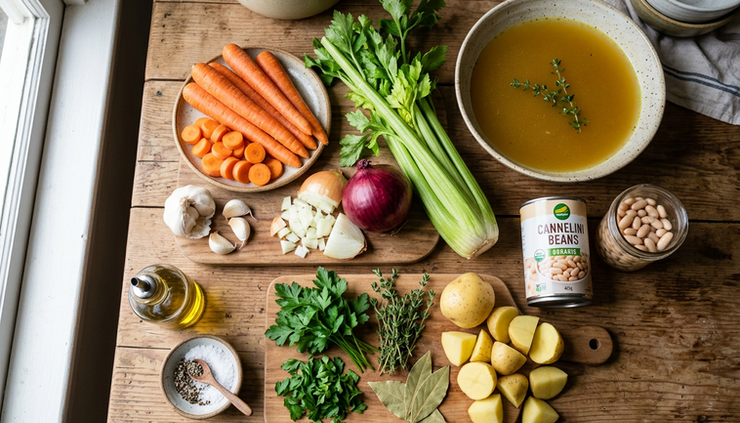
Start with fresh ingredients that build real flavor
Soup does not need expensive ingredients, but it does reward good ones. Since everything cooks together, each ingredient has a job. Fresh vegetables add sweetness and depth. Herbs add lift. Broth carries the flavor through the whole pot.
For beginner-friendly dinner soups, focus on these basics.
Use vegetables that look and smell fresh.
Carrots should feel firm. Celery should snap, not bend. Onions should feel heavy and dry, with no soft spots. Leafy greens should look lively, not slimy or yellow.
Choose broth that tastes good on its own.
If the broth tastes watery or harsh, the soup will need more help. Low-sodium broth is useful because it lets you control the salt. Chicken, vegetable, and beef broth all work, but match the broth to the soup’s main ingredients.
Use dried herbs and spices while they still smell strong.
Open the jar and sniff. If dried oregano, cumin, paprika, or thyme smells dull, it will taste dull too. Most dried seasonings lose power over time, especially if stored near heat or light.
Build around what you already have.
Soup is perfect for using small amounts of food before they go to waste. A handful of spinach, leftover roasted chicken, half a can of tomatoes, a cup of cooked rice, or a few mushrooms can all become dinner.
A simple beginner soup often starts with the same base: onion, carrot, celery, and garlic cooked in a little oil or butter. This mix creates sweetness and savory depth before the liquid goes in.
Here is the basic rhythm:
Warm oil or butter in a pot.
Add diced onion, carrot, and celery.
Cook until softened and fragrant.
Stir in garlic and seasonings.
Add broth and main ingredients.
Simmer until everything tastes joined together.
That early cooking step matters. Raw onion simmered in broth tastes sharp. Onion gently cooked in oil becomes sweet and mellow. Those few extra minutes make the whole soup taste richer.
Understand flavor profiles so your soup has direction
A soup tastes better when it has a clear flavor profile. That does not mean fancy. It means the ingredients point in the same direction.
Think of a flavor profile as the mood of the soup. Is it cozy and herby? Bright and tomato-rich? Smoky and earthy? Creamy and mild? Once that direction is clear, choosing herbs and spices gets easier.
Flavor direction | Good ingredients | Herbs and spices that fit |
Classic comfort | Chicken, carrots, celery, noodles, potatoes | Thyme, parsley, bay leaf, black pepper |
Tomato and vegetable | Tomatoes, zucchini, beans, greens | Basil, oregano, garlic, red pepper flakes |
Smoky and hearty | Beans, sausage, sweet potato, corn | Smoked paprika, cumin, chili powder |
Creamy and gentle | Potatoes, mushrooms, cauliflower, chicken | Thyme, chives, nutmeg, white pepper |
Bright and fresh | Lentils, greens, chicken, rice | Lemon, parsley, dill, mint, black pepper |
A common beginner mistake is adding too many seasonings from different flavor families. Cumin, rosemary, curry powder, basil, and smoked paprika can each be delicious, but together they may fight for attention.
Start with two or three flavor anchors:
One aromatic base, such as onion and garlic
One main herb or spice, such as thyme, cumin, basil, or smoked paprika
One bright finish, such as lemon juice, vinegar, fresh herbs, or a spoonful of pesto
This keeps the soup focused.
Another helpful idea is to balance the five basic tastes: salty, sweet, sour, bitter, and umami. Dinner soups usually need salt, some natural sweetness from vegetables, a touch of acidity, and savory depth.
Umami can come from:
Tomato paste
Mushrooms
Parmesan rind
Soy sauce or tamari
Miso
Roasted meat or bones
Beans cooked until creamy
You do not need all of these. One umami-rich ingredient can make a simple pot taste fuller.
Learn how to balance spices and herbs for maximum taste
Seasoning soup is less about dumping in more spices and more about layering flavor at the right time.
Dried herbs and ground spices usually need heat and fat to wake up. Fresh herbs are often better at the end, where their flavor stays bright.
Add dried spices early
After the onions, carrots, celery, and garlic start to soften, stir in dried spices and herbs. Let them cook for 30 seconds to 1 minute before adding broth. This short step helps release their aroma.
Try this with:
Dried thyme
Oregano
Cumin
Curry powder
Smoked paprika
Chili powder
Italian seasoning
Keep the heat moderate so the spices do not burn. Burned spices taste bitter.
Add fresh herbs late
Fresh parsley, dill, cilantro, basil, and chives taste best near the end. Stir them in right before serving or sprinkle them over each bowl.
Hardy fresh herbs like rosemary, sage, and thyme can simmer longer, but use them carefully. Rosemary can take over a pot quickly. One small sprig is often enough.
Salt in stages
Salt brings flavor forward. Without enough salt, even a soup full of good ingredients can taste flat.
Add salt in small amounts as the soup cooks. Taste after the broth goes in, taste when the vegetables soften, and taste again before serving. If the soup reduces as it simmers, the salt becomes stronger, so avoid adding a large amount all at once.
If a soup tastes bland, do not reach for more herbs immediately. Try a pinch of salt first. Then taste again.
Use acid to wake up heavy soups
A splash of acid can make a soup taste cleaner and more complete. This is especially helpful with beans, lentils, creamy soups, and long-simmered meat soups.
Good finishing acids include:
Lemon juice
Lime juice
Red wine vinegar
Apple cider vinegar
Sherry vinegar
Pickle brine, in tiny amounts
Add acid at the end, a teaspoon or two at a time. Stir, taste, and stop when the flavor feels brighter but not sour.
Fix common soup problems
Problem | Quick fix |
Soup tastes flat | Add salt, then a splash of lemon juice or vinegar |
Soup tastes too salty | Add unsalted broth, water, potatoes, beans, rice, or pasta |
Soup tastes too spicy | Add cream, coconut milk, yogurt, potatoes, rice, or a little sweetness |
Soup tastes too thin | Simmer uncovered, mash some beans or potatoes, or add cooked grains |
Soup tastes bitter | Add a small amount of fat, sweetness, or acid, depending on the soup |
Taste with a clean spoon more than once. Soup changes as it simmers, and the final five minutes are often when the flavor comes together.

Make these easy dinner soups with confidence
These recipes are simple enough for a weeknight and flexible enough for what is in the fridge. Each one teaches a useful flavor lesson.
Classic chicken vegetable soup
This soup is gentle, familiar, and easy to customize.
Ingredients
1 tablespoon olive oil
1 small onion, diced
2 carrots, sliced
2 celery stalks, sliced
2 garlic cloves, minced
1 teaspoon dried thyme
6 cups low-sodium chicken broth
2 cups cooked shredded chicken
1 cup diced potatoes or small pasta
1 bay leaf
Salt and black pepper
2 tablespoons chopped parsley
Lemon juice, to taste
Directions
Warm the olive oil in a large pot over medium heat. Add onion, carrots, and celery. Cook for 6 to 8 minutes, until softened.
Stir in garlic and thyme. Cook for 30 seconds. Add broth, chicken, potatoes or pasta, and bay leaf. Simmer until the potatoes or pasta are tender.
Season with salt and pepper. Remove the bay leaf. Stir in parsley and a small squeeze of lemon juice before serving.
Flavor lesson
Thyme and bay leaf create a classic comfort flavor. Lemon at the end keeps the soup from tasting heavy.
Tomato white bean soup
This one is hearty, budget-friendly, and rich without needing cream.
Ingredients
2 tablespoons olive oil
1 small onion, diced
3 garlic cloves, minced
1 tablespoon tomato paste
1 teaspoon dried oregano
1/4 teaspoon red pepper flakes
1 can crushed tomatoes, 28 ounces
4 cups vegetable or chicken broth
2 cans cannellini beans, drained and rinsed
Salt and black pepper
2 cups baby spinach
Fresh basil or parsley
Grated Parmesan, optional
Directions
Heat olive oil in a pot over medium heat. Add onion and cook until soft. Stir in garlic, tomato paste, oregano, and red pepper flakes. Cook for 1 minute.
Add crushed tomatoes, broth, and beans. Simmer for 15 to 20 minutes. For a thicker texture, mash some beans against the side of the pot.
Season with salt and pepper. Stir in spinach until wilted. Finish with basil or parsley and Parmesan if using.
Flavor lesson
Tomato paste adds deep savory flavor. Beans make the soup feel filling and creamy.
Smoky lentil and sweet potato soup
This soup is warm, colorful, and satisfying.
Ingredients
1 tablespoon olive oil
1 small onion, diced
2 carrots, diced
2 garlic cloves, minced
1 teaspoon smoked paprika
1 teaspoon cumin
1 cup brown or green lentils, rinsed
1 medium sweet potato, peeled and diced
6 cups vegetable broth
Salt and black pepper
1 tablespoon apple cider vinegar
Chopped cilantro or parsley
Directions
Warm oil in a pot. Add onion and carrots. Cook for 5 to 7 minutes. Stir in garlic, smoked paprika, and cumin. Cook for 30 seconds.
Add lentils, sweet potato, and broth. Simmer until the lentils and sweet potato are tender, about 25 to 35 minutes.
Season with salt and pepper. Stir in apple cider vinegar. Top with cilantro or parsley.
Flavor lesson
Smoked paprika gives the soup a slow-cooked taste. Vinegar balances the sweetness of the potato.
Creamy potato corn soup
This is a cozy soup for nights when dinner needs to feel simple and filling.
Ingredients
2 tablespoons butter
1 small onion, diced
2 celery stalks, diced
2 garlic cloves, minced
1/2 teaspoon dried thyme
4 cups diced potatoes
4 cups chicken or vegetable broth
2 cups corn, fresh or frozen
1/2 cup milk or half-and-half
Salt and black pepper
Chives or parsley
Directions
Melt butter in a pot. Add onion and celery. Cook until soft. Stir in garlic and thyme.
Add potatoes and broth. Simmer until potatoes are tender. Mash some potatoes in the pot to thicken the soup. Stir in corn and milk or half-and-half. Warm gently without boiling.
Season with salt and pepper. Top with chives or parsley.
Flavor lesson
Mashing part of the potatoes thickens the soup naturally. Thyme adds warmth without overpowering the corn.
Build your own dinner soup without a recipe
Once you understand the pattern, soup becomes easy to improvise. Use this simple formula when cooking from what you have.
Step | What to use | Easy examples |
Start with aromatics | Onion, garlic, celery, carrot, leeks | Onion, carrot, celery |
Add seasoning | Dried herbs or spices | Thyme, cumin, oregano, paprika |
Add liquid | Broth, water, tomato base | Chicken broth, vegetable broth |
Add body | Protein, beans, grains, pasta, potatoes | Lentils, chicken, rice, noodles |
Add vegetables | Fresh, frozen, or canned | Spinach, corn, zucchini, tomatoes |
Finish bright | Acid, fresh herbs, cheese, oil | Lemon, parsley, Parmesan |
A good general ratio is 1 to 2 cups of main ingredients for every 4 cups of broth, then adjust from there. If you like a chunky soup, add more vegetables and protein. If you prefer a brothy soup, add more liquid.
Keep cooking times in mind. Hard vegetables like potatoes, carrots, and winter squash need more time. Tender greens, peas, corn, and cooked pasta need only a few minutes.
For pasta and rice, use care. They keep absorbing liquid as the soup sits. If making soup ahead, cook pasta or rice separately and add it to each bowl before serving.
Small finishing touches can make a basic soup taste special:
A swirl of olive oil
A spoonful of pesto
Freshly cracked black pepper
Toasted nuts or seeds
Croutons
A sprinkle of cheese
A dollop of yogurt or sour cream
The goal is not to make soup complicated. The goal is to make each bowl taste complete.
Frequently asked questions
How do I know if my soup needs more salt or more acid?
If the soup tastes dull and the flavors feel hidden, try a small pinch of salt. If it tastes heavy or muddy, try a squeeze of lemon juice or a small splash of vinegar. Add a little, stir, and taste again.
Should I use fresh herbs or dried herbs in soup?
Use both, but at different times. Dried herbs work best early in cooking so they can soften and release flavor. Fresh herbs are best near the end so they stay bright.
Can I make soup with water instead of broth?
Yes, but you will need to build more flavor with aromatics, salt, herbs, spices, and savory ingredients like tomato paste, mushrooms, beans, or Parmesan rind. Broth gives you a head start.
How long should soup simmer?
Most simple vegetable, bean, chicken, and lentil soups need 20 to 40 minutes. Simmer until the ingredients are tender and the flavors taste connected. Longer is not always better, especially for delicate vegetables and herbs.
Why does my soup taste better the next day?
Many soups improve after resting because the ingredients have more time to share flavor. Beans, lentils, tomatoes, and spices often taste fuller after a night in the fridge.

The best soup skill is learning to taste
Mastering dinner soups starts with fresh ingredients, but it grows through tasting. Cook the aromatics until they smell sweet. Add dried herbs early. Finish with fresh herbs late. Use salt to bring flavor forward and acid to brighten the bowl.
Start with one of the easy recipes, then change one thing next time. Swap beans for chicken, add greens, try smoked paprika, or finish with lemon instead of vinegar. With every pot, seasoning will feel less like guessing and more like cooking by instinct.


Comments