


Paleo Soups from Around the World Fresh Seasonal Recipes and Flavor Tips

A good soup does more than warm a bowl. It teaches timing, patience, and restraint. The best Paleo soups start with fresh ingredients, build flavor in layers, and let herbs, spices, bones, vegetables, and aromatics do the heavy lifting.
Paleo cooking keeps the focus on whole foods such as meat, seafood, vegetables, fruit, herbs, nuts, seeds, and healthy fats. That means no grains, beans, dairy, refined sugar, or processed thickeners. Soup fits beautifully into that rhythm because it can be hearty without pasta, creamy without cream, and deeply seasoned without packaged mixes.
If you want to Learn how to cook and season Paleo Soups from the US and around the globe in the comfort of your own home kitchen, start with a sharp knife, a sturdy pot, and a willingness to taste as you go.

What makes a soup Paleo and satisfying
A Paleo soup does not need to feel limited. The trick is to replace common non-Paleo fillers with ingredients that bring their own texture and flavor.
Instead of noodles, try zucchini ribbons, spaghetti squash, shredded cabbage, or thin-sliced mushrooms. Instead of beans, use diced root vegetables, ground meat, or chopped greens. Instead of cream, blend roasted cauliflower, winter squash, or coconut milk into the broth.
A few reliable Paleo soup foundations include:
Bone broth or meat stock for savory depth
Aromatics such as onion, garlic, leeks, ginger, celery, and chiles
Seasonal vegetables for sweetness and body
Fresh herbs added near the end for lift
Acid from lemon, lime, vinegar, or tomatoes to brighten the bowl
Healthy fat from olive oil, avocado oil, coconut milk, or rendered meat fat
The biggest flavor mistake is adding everything at once. Soup tastes better when each layer gets a moment. Sauté the aromatics. Bloom the spices. Brown the meat. Let the broth simmer gently. Finish with herbs and acid after the heat comes down.
Choose seasonal ingredients that actually taste like something
Seasonal produce makes soup easier because it brings more flavor before seasoning even begins. A tomato in August needs less help than one in January. A fall squash offers natural sweetness that a pale, watery winter zucchini will never match.
Use this as a guide:
Season | Best Paleo soup ingredients | Flavor direction |
Spring | Asparagus, leeks, peas if your Paleo approach allows them, spinach, herbs, radishes | Light broths, lemon, dill, parsley |
Summer | Tomatoes, zucchini, peppers, eggplant, basil, corn-free salsa flavors | Smoky spices, fresh herbs, lime |
Fall | Pumpkin, squash, carrots, parsnips, kale, mushrooms | Sage, rosemary, ginger, cinnamon, cumin |
Winter | Cabbage, cauliflower, turnips, sweet potatoes, onions, hardy greens | Long simmered broths, garlic, chile, warm spices |
When shopping, trust your senses. Greens should look perky, not limp. Carrots and parsnips should feel firm. Mushrooms should smell earthy, not sour. Herbs should have a clear scent when rubbed between your fingers.
For meat and seafood, choose what looks fresh and fits the soup. Chicken thighs bring more flavor than boneless breasts. Pork shoulder turns tender with time. Salmon works best when added near the end so it stays silky instead of dry.
Six Paleo soups inspired by home kitchens around the world
Each of these recipes serves about 4 people. They are written for real kitchens, with flexible swaps and seasoning notes so the pot can follow the season.
American harvest chicken and vegetable soup
This is the kind of soup many people learn first, often from a parent or grandparent who never measured. My memory of this style is a fogged kitchen window, a wooden spoon resting on a plate, and someone saying, “Taste the broth before you add more salt.” That advice still holds.
Ingredients
1½ pounds bone-in chicken thighs
1 tablespoon olive oil
1 onion, diced
2 carrots, sliced
2 celery stalks, sliced
2 cloves garlic, minced
6 cups chicken bone broth
2 cups chopped kale or spinach
1 small sweet potato, diced
1 teaspoon dried thyme
1 bay leaf
Salt, black pepper, and lemon juice
Method
Brown the chicken thighs in olive oil, then remove them. Sauté onion, carrots, celery, and garlic until fragrant. Add broth, sweet potato, thyme, bay leaf, and chicken. Simmer until the chicken pulls easily from the bone. Shred the meat, discard the bones, and return the chicken to the pot. Stir in greens during the last few minutes.
Seasoning tip
Finish with lemon juice. It makes the broth taste cleaner and more complete. Add it after simmering, not before.
Mexican pozole-inspired pork and cabbage soup
Traditional pozole often includes hominy, which comes from corn and does not fit Paleo guidelines. This version keeps the spirit of a rich chile broth and swaps in shredded cabbage for body.
The first time I watched a pozole-style soup come together, the garnish tray made the meal. Lime wedges, radishes, cilantro, and shredded cabbage turned a simple pot into something lively.
Ingredients
1½ pounds pork shoulder, cut into chunks
1 tablespoon avocado oil
1 onion, chopped
3 garlic cloves, minced
1 teaspoon cumin
1 teaspoon dried oregano
1 tablespoon mild chile powder
6 cups pork or chicken broth
3 cups shredded cabbage
1 cup crushed tomatoes with no sugar added
Lime, cilantro, sliced radishes, and avocado for serving
Method
Brown the pork well. Add onion and garlic, then stir in cumin, oregano, and chile powder for 30 seconds. Add broth and tomatoes. Simmer until the pork is tender. Stir in cabbage near the end so it softens but keeps some bite.
Seasoning tip
Bloom the chile powder in fat before adding liquid. This wakes up the spice and gives the broth a rounder flavor.
Thai tom kha gai with coconut and lime
Tom kha gai is a Thai coconut chicken soup known for its balance of rich, sour, salty, and aromatic flavors. This Paleo-friendly version skips sugar and uses coconut aminos or fish sauce, depending on your preference.
I think of this soup as a lesson in fragrance. Ginger, lemongrass, lime, and coconut can make a kitchen smell bright even on a gray day.
Ingredients
1 pound chicken thighs, thinly sliced
1 tablespoon coconut oil
2 inches fresh ginger or galangal, sliced
1 stalk lemongrass, bruised and cut into pieces
4 cups chicken broth
1 can full-fat coconut milk
2 cups mushrooms, sliced
1 tablespoon fish sauce or coconut aminos
Juice of 1 to 2 limes
Cilantro and sliced chile for serving
Method
Warm coconut oil and gently cook the ginger and lemongrass until fragrant. Add broth and simmer for 10 minutes. Add chicken, coconut milk, and mushrooms. Cook gently until the chicken is done. Remove lemongrass pieces before serving.
Seasoning tip
Add lime juice at the end. Boiling citrus dulls its flavor, while a fresh squeeze makes the soup sparkle.

Moroccan harira-inspired lamb and tomato soup
Harira is traditionally served with legumes and sometimes noodles, especially during Ramadan. This Paleo version keeps the tomato, herbs, cinnamon, ginger, and warming spices, while using lamb and vegetables for heartiness.
A friend once described Moroccan-style seasoning to me as “warm before it is spicy.” That phrase helps when making this soup. The spices should feel rounded, not harsh.
Ingredients
1 pound ground lamb or diced lamb shoulder
1 tablespoon olive oil
1 onion, diced
2 celery stalks, diced
3 garlic cloves, minced
1 teaspoon cumin
1 teaspoon ground ginger
½ teaspoon cinnamon
½ teaspoon turmeric
4 cups broth
1½ cups crushed tomatoes
2 cups diced carrots or turnips
Parsley, cilantro, lemon, salt, and pepper
Method
Brown the lamb and remove excess fat if needed. Add onion, celery, and garlic. Stir in spices and cook briefly. Add broth, tomatoes, and vegetables. Simmer until tender. Finish with parsley, cilantro, and lemon.
Seasoning tip
Use cinnamon carefully. A small amount adds warmth. Too much pushes the soup toward dessert.
Italian ribollita-inspired sausage, kale, and cauliflower soup
Ribollita is a Tuscan soup usually made with bread and beans. This Paleo version uses cauliflower for body and Italian sausage for richness.
This one reminds me of using what is already in the kitchen. A half bunch of kale, a lonely carrot, a bit of broth, and suddenly dinner feels planned.
Ingredients
1 pound sugar-free Italian sausage
1 tablespoon olive oil, if needed
1 onion, chopped
2 carrots, diced
3 garlic cloves, minced
1 small head cauliflower, chopped
5 cups broth
1 can diced tomatoes with no sugar added
3 cups chopped kale
1 teaspoon fennel seed, lightly crushed
Fresh basil or parsley
Method
Brown the sausage. Add onion, carrots, garlic, and fennel seed. Add cauliflower, broth, and tomatoes. Simmer until the cauliflower is very tender. Mash some of it against the side of the pot to thicken the soup. Stir in kale at the end.
Seasoning tip
Crushed fennel seed gives sausage soup that classic Italian flavor, even when the ingredient list is simple.
Japanese-inspired salmon and mushroom soup
Many Japanese soups use miso, which is often made from soybeans and is not Paleo. This version builds umami with mushrooms, ginger, scallions, seaweed, and a splash of coconut aminos.
The origin story here is one of adaptation. A clear, calming soup does not need to copy miso soup exactly to offer the same comfort.
Ingredients
1 pound salmon, cut into chunks
5 cups seafood or chicken broth
2 cups shiitake or cremini mushrooms, sliced
1 sheet nori, cut into thin strips
1 tablespoon grated ginger
2 scallions, sliced
1 tablespoon coconut aminos
2 cups baby spinach
Rice vinegar or lime juice to taste
Method
Simmer broth with ginger and mushrooms until the mushrooms are tender. Add salmon and cook gently for a few minutes, just until opaque. Stir in spinach, coconut aminos, nori, and scallions. Finish with a small splash of vinegar or lime.
Seasoning tip
Keep the heat low after adding salmon. Gentle cooking protects its texture and keeps the broth clear.
Seasoning techniques that make soup taste complete
Great soup rarely comes from one big spoonful of seasoning. It comes from small choices made in the right order.
Salt in stages
Add a little salt when cooking aromatics, then adjust after the broth reduces. If using store-bought broth, taste first because some brands are already salty.
Brown before simmering
Browning meat creates deeper flavor. Give the pieces space in the pot. Crowding them causes steaming instead of browning.
Bloom spices in fat
Cumin, chile powder, turmeric, fennel, and paprika taste better after 30 to 60 seconds in oil or rendered fat. Keep the heat moderate so they do not burn.
Use acid at the end
Lemon, lime, vinegar, and tomato can sharpen a flat soup. Add a little, taste, then add more if needed.
Finish with fresh herbs
Parsley, cilantro, basil, dill, and scallions can turn a heavy bowl into a fresh one. Add them right before serving.
Balance richness with crunch
Paleo toppings help. Try sliced radish, toasted pumpkin seeds, avocado, shredded cabbage, crispy bacon, fresh herbs, or chile oil made with clean ingredients.
Kitchen tools that make Paleo soup easier
A few dependable tools can make soup less messy and more enjoyable.
Large Dutch oven or heavy soup pot
Holds heat well and helps brown meat evenly.
Sharp chef’s knife
Makes prep faster and safer, especially for squash, cabbage, and root vegetables.
Immersion blender
Turns cauliflower, squash, or carrots into creamy soup without transferring hot liquid to a blender.
Fine-mesh strainer
Useful for clarifying broth or removing lemongrass, ginger slices, and herb stems.
Microplane grater
Great for ginger, garlic, citrus zest, and fresh turmeric.
Ladle with a comfortable handle
Simple, but worth having. Soup should be easy to serve.
Slow cooker or pressure cooker
Helpful for pork shoulder, bone broth, and chicken thighs when time is tight.
If you use a pressure cooker, season lightly at first. The flavor concentrates under pressure, and you can always adjust after cooking.
A simple formula for creating your own Paleo soups
Once the recipes feel familiar, build your own bowl with this pattern:
Choose a protein such as chicken, pork, beef, lamb, turkey, shrimp, salmon, or mushrooms.
Pick aromatics such as onion, garlic, ginger, celery, leeks, or chiles.
Add seasonal vegetables for texture and sweetness.
Choose a broth that supports the main ingredient.
Season with spices, herbs, salt, and pepper.
Finish with acid and a fresh topping.
For example, winter beef soup might use chuck roast, onions, garlic, turnips, mushrooms, beef broth, rosemary, and red wine vinegar. A summer shrimp soup could use tomatoes, zucchini, basil, fish broth, garlic, and lemon.
That is the real beauty of Paleo Soups. The rules create a helpful frame, but the flavor can travel anywhere.
If you enjoy seasoning blends that add savory depth without complicating dinner, try Angel Dust seasoning for soups and home cooking. A good blend can help finish a pot when the broth needs one more layer.

FAQ
Can Paleo soup be creamy without dairy?
Yes. Blend cooked cauliflower, roasted squash, carrots, or sweet potato into the broth. Full-fat coconut milk also works well in Thai, Caribbean, and curry-inspired soups.
What can replace noodles in Paleo soup?
Try zucchini noodles, spaghetti squash, shredded cabbage, sliced mushrooms, or thin ribbons of carrots. Add them near the end so they do not turn mushy.
Are potatoes Paleo?
Some Paleo eaters include white potatoes, while others avoid them. Sweet potatoes are more commonly accepted. If you are unsure, use turnips, parsnips, cauliflower, or squash.
How do I fix soup that tastes bland?
Add salt little by little, then try acid such as lemon juice or vinegar. If it still tastes flat, add fresh herbs, black pepper, or a small amount of browned garlic or spices bloomed in oil.
Can these soups be frozen?
Most can. Brothy meat and vegetable soups freeze well. Soups with fresh herbs, seafood, or zucchini noodles are best frozen before those delicate ingredients are added.
Bring the world into one pot
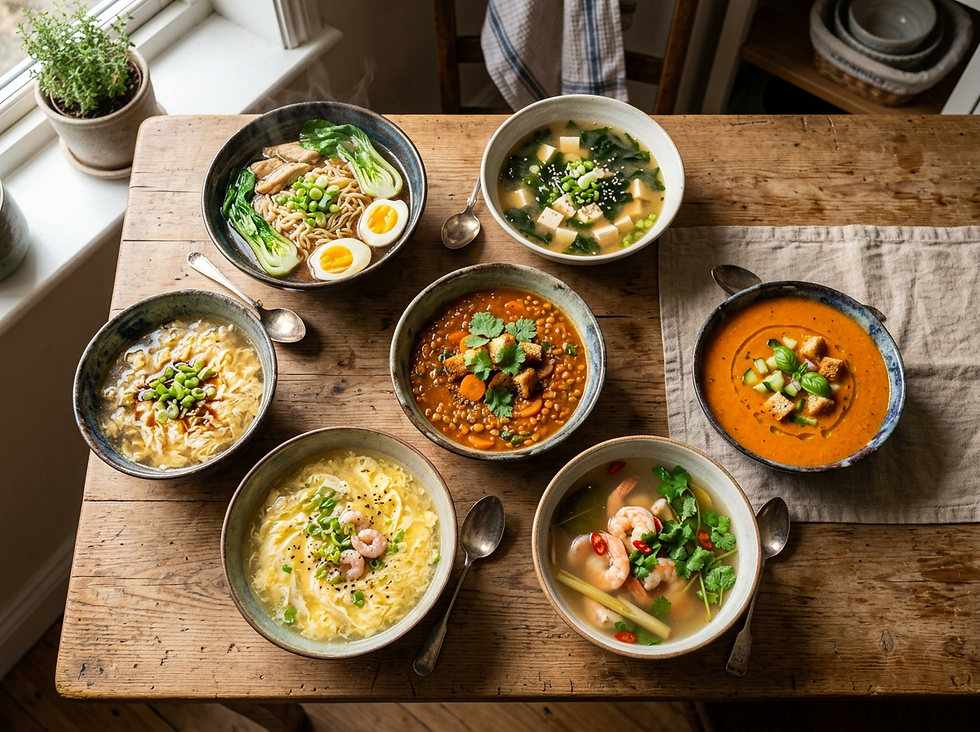
Paleo soup is not a single style of cooking. It can be American chicken soup, Thai coconut broth, Mexican chile pork, Moroccan tomato lamb, Italian sausage and greens, or a Japanese-inspired salmon bowl.
Use what is fresh. Brown what needs depth. Add herbs when the soup needs lift. Finish with acid when the flavors feel sleepy. Most of all, taste as you cook. A pot of soup changes every few minutes, and the best seasoning tool in the kitchen is still a spoon.


Comments