
_edited.jpg)

Smoky Pulled Pork Soup Recipe for Cozy Culinary Learning

A good soup teaches more than simmering. It teaches timing, seasoning, texture, and how one humble pot can turn leftovers into something comforting enough to share.
This smoky pulled pork soup is hearty, flexible, and perfect for students learning how to build flavor in layers. Inspired by American barbecue traditions, community cookouts, and potluck-style cooking, it brings together tender pork, beans, vegetables, and a warm smoky broth in a dish that feels both familiar and skill-building.

Description
Students will love this dish because it tastes rich and comforting but uses approachable techniques: sautéing aromatics, blooming spices, simmering, tasting, and finishing. It is also a smart lesson in reducing food waste, since cooked pulled pork from a previous meal becomes the foundation for a new recipe.
The cultural inspiration comes from barbecue gatherings, where smoked meats often sit at the center of family celebrations, school fundraisers, neighborhood events, and weekend cookouts. In soup form, those same flavors become easier to stretch, share, and study in a culinary classroom or home kitchen.
Quick Info
Recipe Detail | Amount |
Servings | 6 |
Prep Time | 15 minutes |
Cook Time | 35 minutes |
Total Time | 50 minutes |
Difficulty | Easy to Medium |
This recipe is designed for cooked pulled pork. Use homemade smoked pork, slow cooker pulled pork, or plain roasted pork shoulder that has been shredded. If the pork is already heavily sauced, reduce the barbecue sauce in the recipe and taste before adding more salt.
Ingredients
Soup Base
2 tablespoons olive oil
1 medium yellow onion, diced
2 medium carrots, diced
2 celery stalks, diced
1 red bell pepper, diced
3 garlic cloves, minced
2 tablespoons tomato paste
1 teaspoon smoked paprika
1 teaspoon ground cumin
1/2 teaspoon chili powder
1/4 teaspoon black pepper
1/4 teaspoon kosher salt, plus more to taste
4 cups low-sodium chicken broth
1 can diced tomatoes, 14.5 ounces
1 can white beans, 15 ounces, drained and rinsed
1 cup frozen corn
2 cups cooked pulled pork, lightly shredded
1/3 cup barbecue sauce
1 tablespoon apple cider vinegar
1 teaspoon Worcestershire sauce
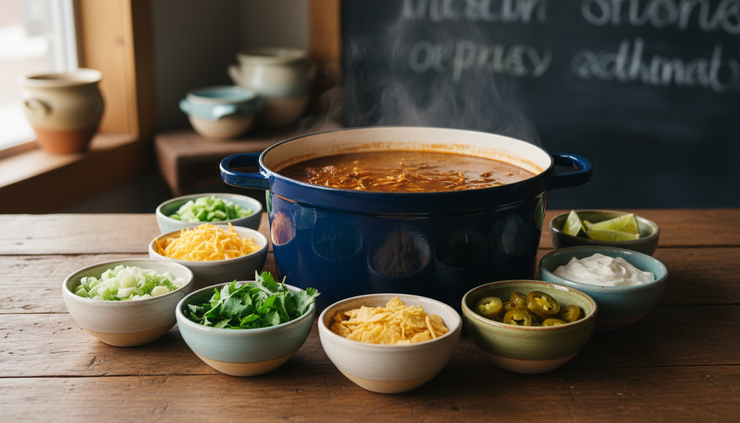
Optional Toppings
Sliced green onions
Chopped cilantro or parsley
Shredded cheddar cheese
Sour cream or plain Greek yogurt
Pickled jalapeños
Crushed tortilla chips
Cornbread crumbles
Lime wedges
Step-by-Step Instructions
Warm the oil.
Place a large soup pot or Dutch oven over medium heat. Add the olive oil.
Sauté the vegetables.
Add the onion, carrots, celery, and red bell pepper. Cook for 6 to 8 minutes, stirring often, until the vegetables soften.
Add the garlic.
Stir in the garlic and cook for 30 seconds, just until fragrant.
Bloom the tomato paste and spices.
Add the tomato paste, smoked paprika, cumin, chili powder, black pepper, and salt. Stir for 1 to 2 minutes so the paste darkens slightly.
Pour in the broth.
Add the chicken broth and scrape the bottom of the pot to loosen any browned bits.
Add the tomatoes and beans.
Stir in the diced tomatoes, white beans, and frozen corn.
Simmer the soup.
Bring the soup to a gentle boil. Lower the heat and simmer for 15 minutes.
Add the pulled pork.
Stir in the pulled pork, barbecue sauce, apple cider vinegar, and Worcestershire sauce.
Simmer again.
Cook for 10 more minutes, stirring occasionally, until the pork is hot and the broth tastes full.
10. Taste and adjust.
Add more salt, vinegar, barbecue sauce, or pepper as needed.
11. Serve with toppings.
Ladle into bowls and finish with green onions, herbs, cheese, sour cream, chips, or lime.

Chef’s Secrets to Elevate This Recipe
Build the flavor before adding liquid
The best soups rarely start with water or broth alone. They start with aromatics. Onion, carrot, celery, and bell pepper create a sweet, savory base that supports the pork.
Let the vegetables soften before moving on. If they stay crunchy at the beginning, they may taste flat in the finished soup.
Bloom the spices
Smoked paprika, cumin, and chili powder taste deeper when they touch hot oil for a short time. That step is called blooming. It wakes up the spices and helps them blend into the broth instead of floating on top.
This is one of the best lessons for anyone who wants to Learn to cook Smoky Pulled Pork Soup with confidence.
Balance smoke with brightness
Smoked pork and smoked paprika can get heavy if the soup has no acidity. Apple cider vinegar fixes that. It cuts through the richness and makes the pork taste more lively.
Lime juice also works well at the table. Add it right before serving so the flavor stays fresh.
Use low-sodium broth
Pulled pork, barbecue sauce, and Worcestershire sauce can all carry salt. Low-sodium broth gives more control. Taste near the end, then season.
Shred the pork gently
Pulled pork should look rustic, not mushy. Keep some larger pieces so each spoonful feels meaty and satisfying.
Thicken without cream
For a thicker soup, mash 1/2 cup of the beans with a fork before adding them to the pot. The starch will give the broth more body without dairy or flour.
Chef’s Variations
This recipe is flexible enough for class practice, family dinner, or a weekend meal prep session. Once the base technique is learned, the flavor can move in several directions.
Dietary Substitutions
For a gluten-free version, use a gluten-free barbecue sauce and check the Worcestershire sauce label. Some brands are gluten-free, while others may include ingredients that are not suitable.
For a dairy-free version, skip cheese and sour cream toppings. Use avocado, cilantro, lime, tortilla chips, or dairy-free yogurt instead.
For a lighter version, use lean pulled pork and skim visible fat from the cooking liquid or leftovers before adding the meat.
For a pork-free version, use shredded smoked turkey, rotisserie chicken, or jackfruit. Jackfruit works best when simmered with extra smoked paprika and a little barbecue sauce.
For a bean-free version, replace beans with diced potatoes, sweet potatoes, or extra corn.
Make-Ahead Tips
This soup works well for meal prep because the flavor improves after resting.
Cook the soup up to 3 days ahead.
Cool it quickly before refrigerating.
Store it in airtight containers.
Reheat gently over medium-low heat.
Add fresh herbs, lime, or crunchy toppings right before serving.
If the soup thickens in the refrigerator, stir in a splash of broth or water while reheating.
Picnic-Friendly Storage
For picnics, tailgates, or school events, keep food safety in mind. Hot soup should stay hot, and chilled soup should stay cold until reheated.
Use an insulated food jar for individual portions or keep a larger batch in a slow cooker on the warm setting once fully heated. If transporting chilled soup, pack it in a cooler with ice packs and reheat it at the destination.
Do not leave soup at room temperature for long periods. Refrigerate leftovers promptly.
Flavor Twists
Try these simple changes once the original recipe feels comfortable.
Southwest style Add black beans, green chiles, and a squeeze of lime.
Creamy barbecue style Stir in 1/2 cup half-and-half at the end, then warm gently without boiling.
Spicy smokehouse style Add chipotle pepper in adobo, diced jalapeño, or cayenne.
Harvest style Add diced sweet potato and simmer until tender.
Carolina-inspired style Increase apple cider vinegar and use a mustard-based barbecue sauce.
Loaded bowl style Top with cheddar, crushed tortilla chips, sour cream, scallions, and pickled onions.
Allergy and Dietary Notes
This soup can fit many kitchens with a few careful swaps.
Gluten-free option Choose gluten-free barbecue sauce, broth, and Worcestershire sauce. Check labels on tortilla chips and toppings.
Dairy-free option The soup base is naturally dairy-free if no cheese, sour cream, or yogurt is added.
Nut-free version The recipe contains no nuts as written. Check packaged toppings and sauces for cross-contact warnings if needed.
Soy-free option Use soy-free Worcestershire sauce or leave it out. Add a small splash of vinegar and a pinch of salt to replace some of the savory flavor.
Lower-sodium adjustment Use low-sodium broth, rinse the beans well, and choose a lower-sodium barbecue sauce.
Spiciness control Keep the chili powder mild and skip jalapeños or chipotle for a gentle soup. Add heat at the table for people who want it.
Anyone cooking for allergies should read labels every time. Sauces, broths, spice blends, and chips can vary by brand.
What This Recipe Pairs Well With
Smoky pulled pork soup is filling, so the best pairings add crunch, freshness, or a little sweetness.
Great side dishes include:
Skillet cornbread with honey butter
Simple green salad with ranch or lime vinaigrette
Cabbage slaw with vinegar dressing
Baked potatoes or sweet potatoes
Grilled cheese sandwiches
Warm flour or corn tortillas
Buttermilk biscuits
Roasted green beans
Pickles or quick-pickled onions
For drinks, keep it simple. Iced tea, lemonade, sparkling water with lime, apple cider, or a mild lager all fit the smoky barbecue flavors.
For dessert, choose something cool or fruit-forward. Peach cobbler, vanilla pudding, berry crisp, or sliced oranges work nicely after a savory bowl.
Story
At Angels Academy of Culinary Arts, recipes like this one belong in a learning kitchen because they show how food connects technique with community. Pulled pork often comes from gatherings where people cook slowly, share generously, and pass down methods through observation.
A soup lesson turns those traditions into practical culinary skills. Students learn how to layer aromatics, control salt, balance sweet and acidic flavors, and make thoughtful use of leftovers. They also see how a dish can move from barbecue table to classroom pot without losing its sense of comfort.
That is the heart of the Angels Academy of Culinary Arts Recipe Library: approachable recipes that teach real skills while honoring the stories behind the food.
Approximate Nutrition
Nutrition will vary based on the pulled pork, barbecue sauce, toppings, and broth used. The numbers below are estimates for 1 serving without optional toppings.
Nutrient | Approximate Amount |
Calories | 330 |
Protein | 24 g |
Carbohydrates | 32 g |
Fat | 12 g |
Fiber | 7 g |
Sugar | 9 g |
Sodium | 780 mg |
To lower the calories, use lean pulled pork and go light on cheese or sour cream. To increase protein, add more pork or an extra can of beans. To make the soup more filling for athletes or active students, serve it with cornbread, rice, or roasted potatoes.

FAQ
Can I make this soup with leftover pulled pork?
Yes. Leftover pulled pork is ideal for this recipe. If it already has barbecue sauce mixed in, start with less sauce in the soup and adjust after tasting.
Can I freeze smoky pulled pork soup?
Yes, this soup freezes well. Cool it completely, portion it into freezer-safe containers, and freeze for up to 3 months. Thaw overnight in the refrigerator and reheat gently.
What can I use instead of white beans?
Black beans, pinto beans, kidney beans, diced potatoes, or sweet potatoes all work. Beans make the soup hearty, while potatoes create a softer, thicker texture.
How do I make the soup less smoky?
Use regular paprika instead of smoked paprika and choose plain pulled pork rather than heavily smoked pork. A squeeze of lime or extra diced tomatoes can also brighten the flavor.
Can I cook this in a slow cooker?
Yes. Sauté the vegetables, garlic, tomato paste, and spices first for the best flavor. Then add everything to the slow cooker and cook on low for 3 to 4 hours or on high for 1 1/2 to 2 hours.
Final Takeaway
This Smoky Pulled Pork Soup is more than a cozy bowl. It is a practical lesson in flavor-building, smart leftovers, seasoning balance, and community cooking.
Make it once as written, then use the variations to practice your own style. A good soup should teach technique, feed people well, and leave enough room for the cook to grow.
Now Added to Brownie's Meals 9/12/26


Comments