
_edited.jpg)

Unlocking the Secrets of Fond: The Liquid Gold Behind Culinary Masterpieces

Updated: Jul 26
Fond is often called the liquid gold of cooking, and for good reason. This rich, flavorful base forms the heart of countless sauces and dishes, transforming simple ingredients into culinary masterpieces. Understanding fond and how to use it can elevate your cooking from ordinary to exceptional.
What Is Fond and Why It Matters
Fond is the browned bits and caramelized juices left in the pan after cooking meat, poultry, or vegetables. These residues hold intense flavor, created by the Maillard reaction—a chemical process that occurs when proteins and sugars cook together at high heat. When deglazed with liquid, fond dissolves into a flavorful base that chefs use to build sauces, gravies, and soups.
Without fond, many dishes would lack depth and complexity. It adds richness and a savory note that enhances the overall taste experience. Fond is not just a byproduct; it is a key ingredient that unlocks layers of flavor.
How to Create Perfect Fond Every Time
Creating fond requires attention to heat, timing, and technique. Here are some practical tips:
Use a heavy-bottomed pan: Cast iron or stainless steel pans work best because they retain heat evenly and encourage browning.
Dry your ingredients: Moisture prevents browning, so pat meat or vegetables dry before cooking.
Cook over medium-high heat: This temperature encourages caramelization without burning.
Avoid overcrowding the pan: Too many ingredients lower the pan’s temperature, causing steaming instead of browning.
Let the fond form undisturbed: Resist stirring too often. Allow the food to sear and stick slightly to the pan.
Once the fond forms, it’s time to deglaze.
The Art of Deglazing: Turning Fond into Sauce
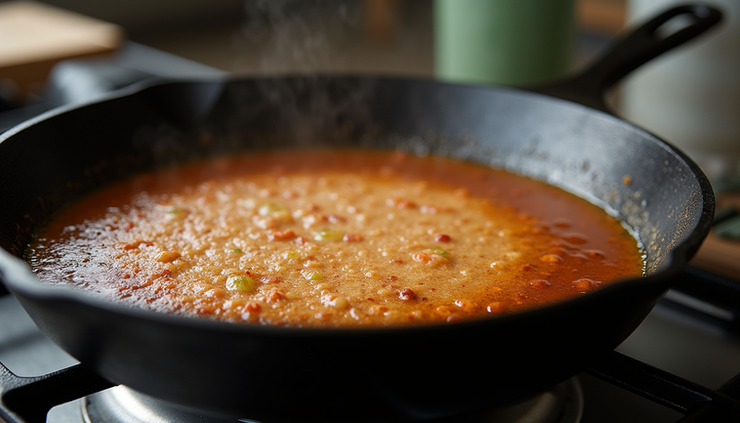
Deglazing means adding liquid to the hot pan to dissolve the fond and lift those flavorful bits off the surface. Common deglazing liquids include:
Wine (red or white)
Stock or broth
Vinegar
Water
Pour the liquid into the hot pan and use a wooden spoon or spatula to scrape the browned bits. The liquid will reduce and concentrate, creating a rich base for sauces.
Examples of Sauces Made from Fond
Red wine reduction: Deglaze with red wine, add shallots and herbs, then reduce to a silky sauce perfect for steak.
Pan gravy: Use stock to deglaze, thicken with a roux or slurry, and season for a classic gravy.
Demi-glace: A rich brown sauce made by reducing stock and fond over hours, often used in fine dining.
Using Fond Beyond Meat
Fond is not limited to meat dishes. Vegetables can also create flavorful fond. For example:
Roasting root vegetables leaves caramelized bits that can be deglazed with broth for a vegetable sauce.
Sautéed mushrooms produce a deep, earthy fond perfect for pan sauces.
Even tofu or tempeh can create fond when cooked properly, adding umami to vegetarian dishes.
Common Mistakes to Avoid
Scraping too early: Fond needs time to develop. Scraping too soon can prevent proper browning.
Using non-stick pans: These pans don’t brown food well and won’t create fond.
Adding too much liquid at once: Pour liquids slowly to avoid cooling the pan and stopping the fond from dissolving.
Ignoring seasoning: Fond-based sauces need proper seasoning to balance flavors.
How to Store and Reuse Fond
Fond can be saved for later use. After cooking, add stock or water to the pan, scrape the fond, and simmer to create a concentrated liquid. Cool and store in airtight containers in the fridge for up to 3 days or freeze for longer storage. This practice saves time and adds flavor to future meals.
Elevate Your Cooking with Fond
Mastering fond is a simple way to add professional-level flavor to your dishes. It requires no special ingredients, just attention to technique and patience. Whether you’re making a quick pan sauce or a complex reduction, fond is the foundation that brings depth and richness.
Try experimenting with different liquids and seasonings to create sauces that complement your meals perfectly. Once you start using fond regularly, you’ll notice the difference in taste and texture.


Comments