


10 Must-Try Tuscan Soups Recipes, Flavors and Culinary Traditions

Tuscan soup is the kind of food that proves humble ingredients can carry serious depth. Beans, stale bread, tomatoes, kale, onions, chestnuts, and fish become dishes that taste slow, earthy, and generous.
Many of these soups come from cucina povera, the frugal cooking tradition built around using every scrap well. Bread was never wasted. Garden vegetables stretched a meal. Beans replaced meat when meat was rare. The result is a family of soups that feel rustic but never plain.
This guide to 10 Must-Try Soups from Tuscany brings together classic flavors, simple home cooking tips, and serving ideas so these dishes feel possible in an American kitchen without losing their Tuscan soul.
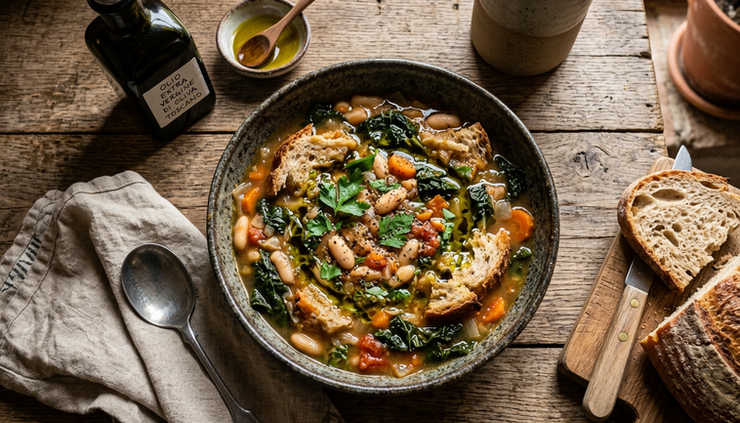
Why Tuscan soups taste so distinctive
Tuscan soups are rarely creamy in the heavy sense. Their richness comes from olive oil, beans, bread, and long cooking. Aromatics like onion, celery, carrot, garlic, sage, rosemary, and bay leaf build a savory base. Tomatoes add acidity. Bitter greens bring balance.
The final drizzle of extra virgin olive oil matters. In Tuscany, olive oil is not just fat. It is seasoning. A peppery oil can wake up a bowl of beans, bread, and greens in seconds.
Bread also plays a major role. Traditional Tuscan bread is often unsalted, which makes sense beside salty cheeses, cured meats, and bold soups. If using American bread, choose a crusty country loaf or sourdough and let it go stale before cooking.
Ten Tuscan soups to cook at home
1. Ribollita
Ribollita may be Tuscany’s most famous soup. The name means “reboiled,” a nod to the old habit of reheating vegetable and bread soup the next day. It often tastes better after resting.
The key ingredients are cannellini beans, black kale, cabbage, carrots, celery, onions, tomatoes, stale bread, and olive oil. The flavor is deep, green, and earthy.
To make it, cook a soffritto of onion, carrot, and celery in olive oil. Add tomatoes, cooked beans with some of their liquid, chopped kale, cabbage, and broth. Simmer until tender. Layer with stale bread and let it thicken. Reheat gently before serving.
Cooking tip: Mash some beans into the broth for body. Keep some whole for texture.
Serve ribollita warm, not piping hot, with raw sliced red onion, black pepper, and a generous drizzle of olive oil. It is a meal in a bowl.
2. Pappa al pomodoro
Pappa al pomodoro is tomato and bread soup at its most comforting. It is soft, thick, and deeply savory, with the bright sweetness of ripe tomatoes.
The traditional ingredients are tomatoes, stale Tuscan bread, garlic, basil, olive oil, and broth or water. In summer, fresh tomatoes shine. In colder months, high-quality canned whole tomatoes work well.
Cook garlic gently in olive oil, then add crushed tomatoes and simmer. Stir in torn stale bread and enough broth to loosen the mixture. Cook until the bread melts into the tomatoes. Finish with basil and olive oil.
Cooking tip: Do not rush the bread. Let it absorb the tomato slowly so the soup becomes creamy without dairy.
Serve it warm or at room temperature with basil leaves and pecorino on the side. It is especially good with grilled vegetables or a simple salad.
3. Acquacotta
Acquacotta means “cooked water,” but the soup is far more flavorful than the name suggests. It comes from Maremma, a rural coastal area of southern Tuscany, where shepherds and workers cooked with what they had.
Classic versions include onions, tomatoes, celery, greens, stale bread, olive oil, and a poached egg. The broth is light but aromatic.
Cook sliced onions and celery in olive oil until soft. Add tomatoes, water or broth, and wild greens or Swiss chard. Simmer, then crack in eggs and poach them in the soup. Ladle everything over toasted bread.
Cooking tip: Let the onions soften slowly. Their sweetness forms the heart of the dish.
Serve one egg per bowl, with pecorino and black pepper. It is simple enough for a weeknight but satisfying enough for dinner.
4. Zuppa di farro
Farro has been grown in central Italy for centuries, and Tuscan cooks use it beautifully in soup. Zuppa di farro is nutty, chewy, and hearty without feeling heavy.
Common ingredients include farro, beans, tomatoes, carrot, celery, onion, herbs, and sometimes pancetta. The flavor is rustic and slightly sweet from the grain.
Start with a soffritto. Add rinsed farro, tomatoes, cooked beans, rosemary or sage, and broth. Simmer until the farro is tender but still pleasantly chewy.
Cooking tip: Pearled farro cooks faster than whole farro. Check the package and adjust the simmering time.
Serve with grated pecorino and olive oil. For a meatless version, skip pancetta and add extra herbs.
5. Minestra di pane
Minestra di pane is a close relative of ribollita, but it is often served after the bread has soaked into the vegetable soup rather than being reboiled several times. Think of it as a soft, layered bread and vegetable dish.
It usually includes stale bread, beans, cabbage, kale, carrots, celery, onions, tomatoes, and olive oil. The texture is thick and spoonable.
Make a vegetable and bean soup, then layer it in a pot or tureen with slices of stale bread. Let it rest so the bread absorbs the broth.
Cooking tip: Use sturdy bread. Soft sandwich bread will turn gluey.
Serve with raw onion, olive oil, and a little vinegar if you like brightness. This soup shows how Tuscan cooking turns leftovers into something intentional.
6. Zuppa frantoiana
Zuppa frantoiana is linked to the olive harvest and the frantoio, or olive mill. It celebrates new olive oil, which is often grassy, peppery, and bold.
The soup contains beans, potatoes, cabbage or kale, carrots, leeks or onions, celery, and sometimes zucchini or pumpkin. The vegetables change with the season.
Simmer the vegetables with beans until tender, then ladle the soup over toasted bread. The most important step comes last: drizzle fresh extra virgin olive oil over each bowl.
Cooking tip: Keep the vegetable pieces chunky. This soup should feel abundant and garden-driven.
Serve it with toasted country bread and a young, peppery olive oil. If you have a special bottle, this is the place to use it.

7. Carabaccia
Carabaccia is a Tuscan onion soup with roots that reach back centuries. It is older than the French onion soup many cooks know, though the two share a love of slow-cooked onions.
The ingredients are simple: onions, olive oil, broth, bread, pecorino, and sometimes egg, almonds, vinegar, or cinnamon in older-style versions. The taste is sweet, savory, and mellow.
Slice onions thinly and cook them slowly in olive oil until soft and golden. Add broth and simmer. Serve over toasted bread with pecorino.
Cooking tip: Do not brown the onions too fast. Slow cooking brings out sweetness without bitterness.
Serve carabaccia with a poached egg for a fuller meal. A little grated pecorino adds salt and sharpness.
8. Cacciucco alla Livornese
Cacciucco is a bold seafood soup from Livorno, Tuscany’s major port city. It reflects the coast rather than the inland fields, with a broth rich in tomato, garlic, wine, and mixed seafood.
Traditional versions use a variety of fish and shellfish. At home, use a mix of firm white fish, shrimp, mussels, clams, squid, or what your fish counter offers.
Cook garlic and chile in olive oil. Add tomato and a splash of wine, then simmer into a flavorful base. Add seafood in stages so nothing overcooks. Shellfish and squid need different timing than white fish.
Cooking tip: Toast bread and rub it with garlic before placing it in the bowl. Ladle the hot soup over the top.
Serve with a dry white wine and plenty of napkins. Cacciucco carries the maritime side of Tuscan cuisine, briny, spicy, and direct.
9. Minestra di ceci e castagne
Chickpea and chestnut soup brings together two ingredients long valued in rural Tuscany. Chickpeas offer earthiness, while chestnuts add gentle sweetness.
The usual ingredients are chickpeas, chestnuts, garlic, rosemary, olive oil, and broth. Some versions include tomato, pasta, or farro.
Cook soaked chickpeas until tender, or use canned chickpeas for ease. Simmer them with roasted or boiled chestnuts, rosemary, garlic, and broth. Mash a portion to thicken the soup.
Cooking tip: Use vacuum-packed cooked chestnuts if fresh chestnuts are hard to find. They save time and work well in soup.
Serve with black pepper and olive oil. This is a cozy fall or winter bowl, especially with bitter greens on the side.
10. Zuppa di porcini
Porcini mushrooms are prized across Tuscany, especially in wooded areas where mushroom foraging has deep local roots. Zuppa di porcini is fragrant, woodsy, and elegant.
The soup may include fresh porcini, potatoes, garlic, parsley, broth, and bread. Dried porcini can also bring strong flavor when fresh mushrooms are unavailable.
Soak dried porcini in warm water, then strain and save the soaking liquid. Cook garlic in olive oil, add sliced mushrooms and potatoes, then pour in broth and the mushroom liquid. Simmer until tender.
Cooking tip: Strain porcini soaking liquid through a coffee filter or fine cloth to remove grit.
Serve with toasted bread and parsley. A touch of pecorino works, but use it lightly so it does not cover the mushroom flavor.
How to bring Tuscan soup traditions into your kitchen
Tuscan soups reward patience more than precision. Once the base is right, the dishes are flexible.
Keep these habits in mind:
Use stale, crusty bread when the recipe calls for bread.
Cook beans from dried when you have time, but use canned beans when needed.
Finish with good olive oil, not just oil for cooking.
Let hearty soups rest. Many taste better the next day.
Season gradually, especially if using store-bought broth or pecorino.
These soups also carry cultural meaning. They show how Tuscan families made filling meals from fields, gardens, mills, and coastlines. Inland soups honor beans, greens, bread, and olive oil. Coastal soups like cacciucco tell a different story, one shaped by fishermen and port cooking.
If you enjoy building soup flavor with seasoning, herbs, and rich finishing touches, try AngelDust seasoning blend as a simple way to add depth to your next pot.
FAQ
What is the most traditional Tuscan soup?
Ribollita is one of the best-known traditional Tuscan soups. It is made with beans, stale bread, kale, cabbage, vegetables, and olive oil.
Can I make Tuscan soups vegetarian?
Yes. Many Tuscan soups are naturally vegetarian or easy to adapt. Use vegetable broth, skip pancetta, and build flavor with garlic, rosemary, sage, tomatoes, and olive oil.
What bread should I use for Tuscan soups?
Use a crusty country loaf, sourdough, or Italian-style bread that has gone stale. Avoid soft sandwich bread because it can turn mushy in an unpleasant way.
Are Tuscan soups good for meal prep?
Yes. Ribollita, farro soup, bean soups, and pappa al pomodoro often improve after resting. Store them in the refrigerator and reheat gently, adding broth or water if they thicken too much.
What should I serve with Tuscan soup?
Most Tuscan soups need little more than toasted bread, olive oil, and grated pecorino. For a larger meal, add roasted vegetables, a green salad, or simple grilled fish.

A bowl of Tuscany starts with simple ingredients
Tuscan soups do not ask for fancy technique. They ask for good bread, honest vegetables, patient simmering, and olive oil with character. Start with ribollita if you want the classic. Make pappa al pomodoro when tomatoes are calling. Try cacciucco when seafood feels right.
Each bowl offers a different doorway into Tuscany, from farm kitchens to olive mills to the Livorno coast. Cook one this week, then let the leftovers teach you why these soups have lasted for generations.


Comments