


Global Corned Beef Soups From Around the World Flavor Tips and Creative Variations

Corned beef can turn a simple pot of vegetables and broth into a meal that tastes slow-cooked, even on a weeknight. It brings salt, savoriness, and a deep beefy note that works across many cooking traditions, from cabbage-heavy Irish-style soups to coconut-rich Caribbean bowls and bright Filipino stews.
The fun part is that corned beef is flexible. You can use leftover corned beef brisket from a holiday meal, deli-style slices, or canned corned beef from the pantry. Each behaves a little differently, but all can make a satisfying soup when balanced with the right starch, acid, herbs, and spices.
If your goal is to Learn how to cook and season soup with Corned Beef from around the globe, start with one simple idea: treat corned beef as both an ingredient and a seasoning. It adds salt, fat, and umami, so the rest of the bowl should bring freshness, body, and contrast.

Corned beef soup starts with balance
Corned beef is cured, which means it already carries salt and seasoning. Some versions include peppercorns, bay leaves, mustard seed, allspice, cloves, or coriander from the curing blend. Canned corned beef is softer and saltier, while cooked brisket has more chew and a layered spice flavor.
That changes how you build the soup.
For leftover corned beef brisket, add it near the end so it warms through without turning dry. For canned corned beef, break it into chunks and let it melt slightly into the broth. It will thicken the soup and create a richer texture. For deli-style corned beef, slice it into ribbons and stir it in just before serving.
A good corned beef soup usually needs:
A mellow base
Potatoes, rice, noodles, beans, cabbage, or root vegetables help absorb the salt.
Aromatics
Onion, garlic, celery, scallions, leeks, ginger, or peppers give the broth direction.
Acid
Vinegar, citrus juice, tomatoes, sauerkraut, sorrel, or pickled vegetables keep the soup from tasting heavy.
Fresh finish
Herbs, leafy greens, scallions, cilantro, parsley, or dill add lift at the end.
Taste before adding salt. In many Corned Beef Soups, the meat seasons the pot more than expected.
Irish-inspired corned beef and cabbage soup feels familiar for a reason
Corned beef and cabbage has strong ties to Irish American cooking, especially around St. Patrick’s Day. The soup version keeps the same comfort but makes it lighter and more spoonable.
Start with onion, celery, and carrots cooked in a little butter or oil. Add diced potatoes, cabbage wedges, bay leaf, black pepper, and low-sodium broth. Simmer until the potatoes are tender, then add chopped cooked corned beef. A spoonful of whole-grain mustard at the end gives the broth a gentle bite.
For a more rustic bowl, use larger chunks of cabbage and potatoes. For a smoother texture, mash a few potato pieces against the side of the pot. That thickens the broth without cream.
Flavor tips for this style:
Add thyme or parsley for an herbal note.
Finish with a splash of apple cider vinegar.
Use Savoy cabbage for a softer texture.
Add leeks for a sweeter, rounder flavor.
This soup works well when the corned beef has a traditional pickling spice flavor. If the meat tastes strongly of clove or allspice, keep the other seasonings simple.
Caribbean-style corned beef soup brings heat, coconut, and root vegetables
Canned corned beef is a pantry staple in many Caribbean kitchens, where it often meets peppers, onions, tomatoes, thyme, and starchy vegetables. In soup, it can create a bold, filling bowl with very little prep.
Build the base with onion, garlic, scallions, fresh thyme, and a small amount of Scotch bonnet pepper. Leave the pepper whole for gentle heat, or mince a tiny piece if you want more fire. Add diced tomato, broth, and root vegetables such as sweet potato, cassava, yuca, green banana, or pumpkin. Simmer until tender, then stir in corned beef.
Coconut milk makes this style especially rich. It softens the saltiness and gives the broth a silky body. A squeeze of lime at the end keeps the soup from feeling too heavy.
Try these add-ins:
Corn kernels for sweetness
Callaloo, spinach, or kale for greens
Allspice for warmth
Fresh ginger for brightness
Dumplings or small flour spinners for comfort
The best technique here is to bloom the aromatics. Cook the onion, garlic, thyme, pepper, and tomato in oil before adding liquid. This pulls flavor into the fat and gives the finished soup more depth.
Filipino-style corned beef soup is bright, simple, and satisfying
In the Philippines, canned corned beef is often cooked with garlic, onions, and potatoes for breakfast. That same flavor combination makes an easy soup, especially when you want something fast but comforting.
Start by sautéing plenty of garlic until fragrant, then add onion and diced potato. Add broth or water and simmer until the potato softens. Stir in canned corned beef and chopped cabbage, pechay, or spinach. The soup can stay brothy, or you can simmer it longer so the corned beef breaks down into the liquid.
A tomato-based version works beautifully. Add fresh tomatoes or a spoonful of tomato paste with the onions. The acidity balances the cured beef and makes the broth taste brighter.
Seasoning ideas for a Filipino-inspired pot:
Black pepper for gentle spice
Fish sauce in small amounts, only if more salt is needed
Scallions for a fresh finish
Calamansi or lemon juice at the table
Egg stirred in slowly for a soft, silky texture
Rice is the natural partner here. Spoon the soup over a bowl of hot rice, or add cooked rice directly to the pot for a thicker, porridge-like meal.
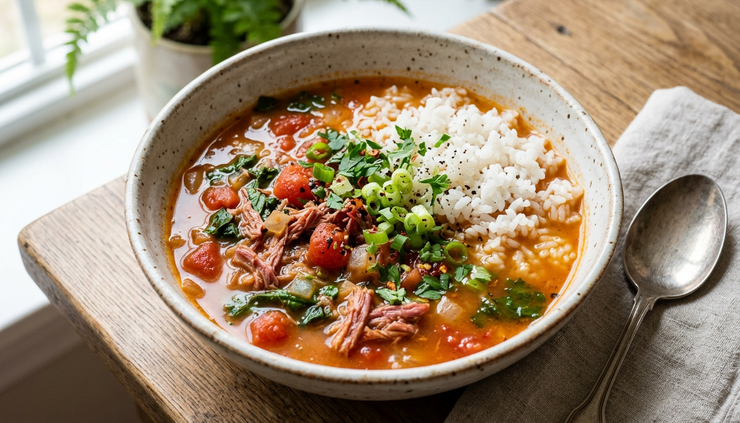
Eastern European and deli flavors make corned beef soup tangy and hearty
Corned beef also fits naturally with ingredients found in Eastern European and Jewish deli-inspired cooking. Think cabbage, beets, sauerkraut, rye, dill, potatoes, and sour cream.
A deli-style corned beef soup can start with onion, carrot, celery, and shredded cabbage. Add broth, potatoes, and a little sauerkraut with its brine. Once the vegetables are tender, stir in sliced corned beef. Finish with dill and black pepper.
For a beet variation, use cooked or grated raw beets, cabbage, carrots, and a splash of vinegar. Corned beef adds savory richness to the sweet, earthy broth. A spoonful of sour cream or plain Greek yogurt on top adds tang and creaminess.
Good seasoning choices include:
Dill for a fresh, grassy finish
Caraway seed for rye bread flavor
Paprika for color and warmth
Vinegar or pickle brine for sharpness
Horseradish at the table for heat
The key is restraint. Sauerkraut, pickle brine, and corned beef all bring salt. Add them gradually, then taste. If the soup gets too salty, add more potato, cabbage, unsalted broth, or water.
Asian-inspired bowls show how well corned beef handles bold aromatics
Corned beef may not be traditional in many Asian soups, but its salty richness works well with ginger, garlic, soy, miso, chilies, noodles, and greens. This is where home cooks can get creative.
For a ginger-garlic noodle soup, simmer broth with sliced ginger, garlic, scallions, and a small splash of soy sauce. Add bok choy, mushrooms, and noodles. Stir in thinly sliced cooked corned beef right before serving. Finish with sesame oil and chili crisp if you like heat.
For a Korean-inspired pot, use napa cabbage, garlic, gochugaru, and a little doenjang or miso. Add tofu or potatoes to soften the saltiness. Corned beef brings a cured meat note that can stand in for other salty proteins when used carefully.
For a Japanese-inspired bowl, simmer dashi or light broth with mushrooms, cabbage, and a bit of miso. Add corned beef at the end, then top with scallions. Keep the broth gentle so the beef does not overpower it.
Texture matters in these soups. Pair soft corned beef with something crisp or springy:
Napa cabbage stems
Bean sprouts
Mushrooms
Noodles
Water chestnuts
Quick-pickled radish
A small amount of corned beef goes a long way in brothy bowls. Let it season the soup, but leave room for ginger, greens, and broth to shine.
Simple ways to improve flavor and texture
Great corned beef soup does not require complicated cooking. Small choices make the biggest difference.
Rinse if needed
If the corned beef tastes very salty, rinse it briefly and pat it dry before adding it to the pot. This works especially well with leftover brisket.
Add the meat at the right time
Canned corned beef can simmer longer because it softens into the soup. Sliced or chopped brisket should go in near the end so it stays tender.
Build flavor before adding broth
Cook aromatics in fat first. Onion, garlic, ginger, peppers, celery, and tomato taste fuller when they have a few minutes in the pot before liquid goes in.
Use acid at the end
Lemon juice, vinegar, pickle brine, lime, or tomato can wake up the soup. Add acid after simmering, then taste again.
Layer textures
A memorable soup has more than one texture. Try soft potatoes with crisp cabbage, silky coconut broth with chewy dumplings, or noodles with tender greens.
Keep salt flexible
Use low-sodium broth if possible. Corned beef can vary a lot from brand to brand and recipe to recipe.
How to create your own global corned beef soup
Once you understand the pattern, you can improvise with confidence. Choose one item from each group and build a pot around it.
Foundation | Flavor direction | Fresh finish |
Potatoes, cabbage, and carrots | Mustard, bay leaf, thyme | Parsley and cider vinegar |
Coconut milk and sweet potato | Scotch bonnet, thyme, allspice | Lime and scallions |
Rice and cabbage | Garlic, tomato, black pepper | Lemon or calamansi |
Noodles and bok choy | Ginger, soy sauce, sesame oil | Chili crisp and scallions |
Beets, cabbage, and potatoes | Dill, caraway, vinegar | Sour cream or yogurt |
Use this as a loose map, not a rulebook. Swap kale for cabbage, yuca for potatoes, noodles for rice, or miso for mustard. Corned beef is bold enough to handle experimentation.
If you want a seasoning shortcut designed for soup, try AngelDust seasoning from Soup Angels and use it as a finishing touch after tasting for salt.
FAQ
Can I use canned corned beef in soup?
Yes. Canned corned beef works well in soup, especially with potatoes, cabbage, rice, tomatoes, or coconut milk. Add it after the vegetables begin to soften, then simmer gently so it breaks into the broth.
How do I keep corned beef soup from getting too salty?
Use low-sodium broth, taste before adding salt, and add salty ingredients slowly. If the soup is already too salty, add potatoes, cabbage, unsalted broth, water, rice, or noodles.
What vegetables go best with corned beef soup?
Cabbage, potatoes, carrots, onions, celery, tomatoes, sweet potatoes, kale, spinach, bok choy, and mushrooms all work well. Mild vegetables help balance the cured beef.
Should corned beef be cooked before adding it to soup?
Leftover corned beef brisket is already cooked and only needs reheating. Canned corned beef is also ready to eat, but simmering it in soup improves the flavor and texture.
What spices pair well with corned beef in soup?
Black pepper, mustard seed, bay leaf, thyme, allspice, paprika, ginger, garlic, dill, caraway, chili, and coriander all pair well. Choose seasonings that match the regional style of the soup.

Let corned beef lead, then add your own accent
Corned beef soup is comforting because it starts with familiar flavor, but it becomes exciting when paired with ingredients from different cooking traditions. Cabbage and mustard create an Irish American feel. Coconut, thyme, and chile bring Caribbean warmth. Garlic, tomato, and rice make a fast Filipino-style meal. Dill, sauerkraut, ginger, noodles, miso, or lime can take the pot in a completely different direction.
Start with what you have, taste as you go, and let balance guide each choice. If the soup tastes too rich, add acid. If it tastes too sharp, add starch. If it feels flat, cook more aromatics or finish with herbs. That is where the creativity begins.


Comments