


Turkey Soup Around the World American Classics Global Flavors and Seasoning Tips

Turkey soup is what happens when good leftovers meet a patient pot. A roasted carcass, a few vegetables, and the right seasonings can turn yesterday’s holiday bird into something that feels fresh, comforting, and surprisingly flexible.
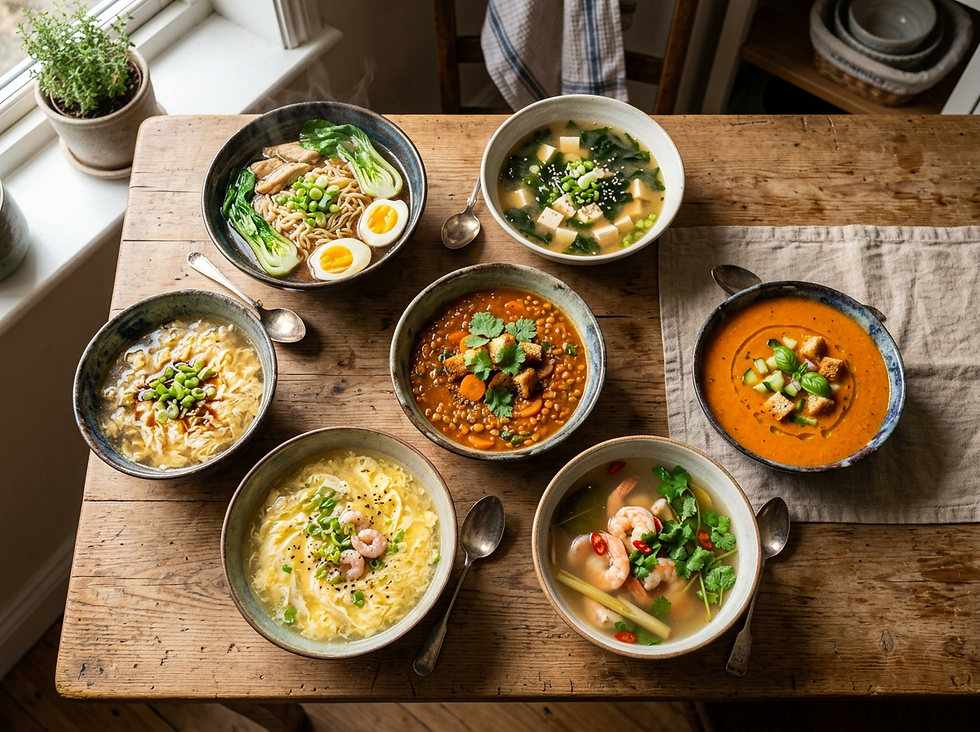
In the United States, turkey soup often means noodles, rice, dumplings, or vegetables in a golden broth. Around the world, the same idea takes on ginger, chiles, coconut milk, lime, miso, saffron, lentils, or fresh herbs. The meat stays familiar, but the bowl changes completely.
Use this guide to Learn how to cook and season Turkey Soups from the US and around the world, from classic American versions to globally inspired pots worth adding to the regular rotation.

American turkey soup classics that never get old
American turkey soup is often born the day after Thanksgiving, but it deserves more than a once-a-year appearance. The best versions use roasted bones for depth, a simple vegetable base, and enough seasoning to keep the soup lively.
Turkey noodle soup
This is the comfort classic. It follows the same pattern as chicken noodle soup, but turkey gives the broth a richer, deeper taste.
Start with:
Roasted turkey bones or carcass
Onion, carrot, and celery
Garlic
Bay leaf
Thyme or parsley
Egg noodles
Shredded turkey meat
Simmer the bones with vegetables and herbs until the broth tastes full. Strain it, then add fresh diced vegetables and noodles. Add the shredded turkey near the end so it stays tender.
A cook I know makes this every year after a big family meal and always saves the celery leaves for the pot. They add a soft herbal flavor that makes the soup taste homemade before any extra seasoning goes in.
Turkey rice soup
Turkey rice soup is slightly heartier and handles bold seasoning well. Long-grain white rice keeps the broth clean, while brown rice gives it a nutty taste. Wild rice makes the soup feel more special.
For a creamy version, stir in a small splash of half-and-half at the end, or make a light roux with butter and flour before adding the broth. Keep the heat gentle once dairy enters the pot.
Good seasoning choices include:
Sage
Thyme
Black pepper
Parsley
A squeeze of lemon juice
That lemon may sound small, but it wakes up the turkey and cuts through the richness.
Turkey vegetable soup
This is the flexible weeknight version. Add potatoes, green beans, corn, cabbage, kale, tomatoes, or whatever vegetables need using.
The trick is timing. Firm vegetables like carrots and potatoes go in first. Tender greens go in last. Turkey meat should join the pot only after the vegetables are close to done.
A tomato-based turkey vegetable soup loves oregano, basil, garlic, and a pinch of red pepper flakes. A broth-based version works better with thyme, rosemary, parsley, and bay leaf.
Turkey and dumpling soup
Turkey and dumplings turns leftovers into a full meal. The broth should be slightly thick, not heavy. Drop biscuit-style dumplings over simmering soup, cover the pot, and let steam do the work.
Resist lifting the lid too often. Dumplings need steady heat to puff and cook through. Season the dumpling dough with chopped parsley, chives, or a little poultry seasoning so every bite tastes complete.
Global turkey soup ideas worth trying
Turkey is not traditional in every cuisine, but it adapts beautifully to many soup styles. In places where chicken, duck, lamb, or pork might usually appear, turkey can bring a lean, savory base that still carries bold flavors well.
Mexican-inspired turkey pozole
Pozole is traditionally made with pork or chicken, hominy, chiles, and garnishes. Turkey works especially well after roasting because the meat has enough flavor to stand up to dried chiles.
Key ingredients include:
Shredded turkey
Hominy
Dried guajillo or ancho chiles
Garlic and onion
Mexican oregano
Cumin
Lime, cabbage, radishes, and cilantro for serving
Toast the dried chiles briefly, soak them in hot water, then blend with garlic and a little broth. Stir that red chile sauce into the soup. This gives the broth color, body, and gentle heat.
The best part of pozole is the table experience. Bowls arrive plain, then everyone adds crisp cabbage, bright lime, sliced radish, onion, and herbs. The garnishes turn one pot into many personal versions.
Vietnamese-inspired turkey pho
Pho is built on clear broth, warm spices, rice noodles, herbs, and fresh garnishes. Turkey bones can make a lovely pho-style broth, especially if they were roasted.
Toast spices before simmering:
Star anise
Cinnamon stick
Cloves
Coriander seed
Ginger
Onion
Char the onion and ginger under a broiler or in a dry skillet first. That step adds a smoky sweetness. Simmer gently, then strain well for a clean broth.
Serve with rice noodles, shredded turkey, bean sprouts, Thai basil, cilantro, jalapeño, and lime. Add fish sauce carefully. It brings salt and savory depth, but a little goes a long way.
Turkish-inspired turkey lentil soup
Lentil soup is beloved across Turkey, often made with red lentils, onion, tomato paste, and warm spices. Turkey is not required, but shredded turkey or turkey stock can make it more filling.
Use red lentils because they break down and create a naturally creamy texture. Season with cumin, paprika, black pepper, and dried mint. Finish with lemon juice.
One Turkish-style detail makes a big difference. Warm a little butter or olive oil with paprika and dried mint, then drizzle it over each bowl. The aroma blooms right at the table.
Thai-inspired turkey coconut soup
For a soup inspired by tom kha, turkey pairs with coconut milk, lemongrass, galangal or ginger, lime, and herbs. This version is rich but bright.
Key ingredients include:
Turkey broth
Coconut milk
Shredded turkey
Lemongrass
Ginger or galangal
Mushrooms
Fish sauce
Lime juice
Cilantro
Thai chile, if desired
Do not boil coconut milk hard for a long time. Keep the soup at a gentle simmer so it stays smooth. Add lime juice at the end, off the heat, to keep the flavor fresh.
Peruvian-inspired turkey aguadito
Aguadito is a cilantro-rich soup often made with chicken, rice, vegetables, and sometimes beer. Turkey slips into it easily.
Blend cilantro with broth, garlic, and a little onion to make a green base. Simmer with rice, peas, carrots, and turkey. Add lime at the end.
This is a great soup for people who think turkey tastes too mild. Cilantro, garlic, and lime give it energy without hiding the meat.

How to season turkey soup so it tastes full and balanced
Turkey soup can taste flat if it only gets salt at the end. Good seasoning happens in layers.
Start with the bones. Roasted bones make a deeper broth than raw bones. If the turkey carcass still has browned skin, herbs, or pan juices, use them. Those bits carry flavor.
Build a base with aromatics. Onion, carrot, celery, and garlic are classic for a reason. For global versions, switch the base:
Soup style | Aromatic base | Flavor finish |
American | Onion, carrot, celery, garlic | Parsley, thyme, black pepper |
Mexican-inspired | Onion, garlic, dried chiles | Lime, cabbage, cilantro |
Vietnamese-inspired | Charred onion, ginger, warm spices | Lime, herbs, fish sauce |
Thai-inspired | Lemongrass, ginger, mushrooms | Lime, coconut milk, chile |
Turkish-inspired | Onion, tomato paste, cumin | Lemon, mint, paprika oil |
Salt in stages. Add a little while simmering broth, then adjust after straining, and again after adding noodles, rice, or vegetables. Starches absorb salt, so a soup that tasted perfect earlier may need more later.
Use acid to brighten. Lemon, lime, vinegar, or even a splash of pickle brine can make turkey taste more alive. Add acid near the end, then taste again before serving.
Add umami when needed. If the broth tastes thin, try one of these:
A spoonful of tomato paste
A splash of soy sauce
A little fish sauce
Parmesan rind while simmering
Miso stirred in off the heat
Mushrooms or mushroom powder
Use herbs at the right time. Woody herbs like thyme, rosemary, bay leaf, and sage can simmer. Tender herbs like parsley, cilantro, dill, basil, and mint should go in near the end.
A small amount of fat also helps. Turkey can be lean, especially breast meat. A drizzle of olive oil, a pat of butter, or a spoonful of chili oil can round out the bowl.
Cooking techniques that make better turkey soup
A great soup depends on texture as much as flavor. Dry turkey, mushy noodles, or cloudy broth can make even good ingredients feel tired.
Simmer the broth gently
A rolling boil can make broth cloudy and harsh. Keep the pot at a low simmer, with small bubbles rising slowly. This pulls flavor from the bones without breaking everything apart.
For a clearer broth, skim foam during the first part of cooking. Strain through a fine-mesh strainer when done.
Separate broth-making from soup-making
The best turkey soup often happens in two stages.
First, make the broth with bones, vegetables, herbs, and water. Strain it.
Next, build the actual soup with fresh vegetables, turkey meat, noodles or rice, and final seasonings.
This keeps the vegetables from turning limp and lets the turkey meat stay tender.
Add turkey meat late
Cooked turkey only needs reheating. Add it during the last few minutes. If it simmers too long, breast meat can become stringy.
Dark meat is more forgiving and works beautifully in soups with chiles, coconut milk, lentils, or tomatoes.
Cook noodles separately if storing leftovers
Noodles continue soaking up broth in the fridge. If making soup for several meals, cook noodles separately and add them to each bowl. The same goes for rice if a brothy texture matters.
Chill broth before skimming
If time allows, chill turkey broth overnight. The fat rises and firms up, making it easy to remove. Leave a little behind for flavor, especially if the broth tastes lean.
Taste in the right order
Before serving, taste for:
Salt
Savory depth
Acidity
Heat
Freshness from herbs
That order helps fix the actual problem. A flat soup may not need more salt. It may need lemon, herbs, or a little umami.
Small stories that explain why turkey soup travels so well
Turkey soup feels personal because it often follows a shared meal. In many American homes, the carcass goes into a pot while dishes are still drying. Someone remembers a grandparent adding extra sage. Someone else asks for noodles instead of rice. The soup becomes a second gathering.
In a Mexican American kitchen, leftover turkey might meet dried chiles and hominy the next day. The pot tastes like a holiday and a Sunday pozole at the same time. Bowls get covered with cabbage and lime, and suddenly the leftovers do not feel like leftovers.
A Vietnamese-inspired turkey broth tells a different story. Warm spices and charred ginger shift the aroma completely. The same roasted bones that made a Thanksgiving centerpiece now carry star anise, rice noodles, and herbs.
That is the joy of Turkey Soups. They are practical, but they are also open to memory, migration, and improvisation.
If you enjoy seasoning blends and want an easy way to add depth to homemade soup, try Angel Dust seasoning from Soup Angels in your next pot.
FAQ
Can I make turkey soup without a turkey carcass?
Yes. Use turkey wings, drumsticks, necks, or store-bought turkey broth. Roasted turkey parts give the best flavor, but even cooked shredded turkey can work in a well-seasoned broth.
How long should I simmer turkey bones for soup?
A gentle simmer of 2 to 4 hours is usually enough for a flavorful home broth. Longer can work, but taste as it cooks so the broth does not become dull or overcooked.
What spices go best with turkey soup?
For American-style soup, use thyme, sage, parsley, bay leaf, and black pepper. For global versions, try cumin, paprika, dried chiles, ginger, star anise, lemongrass, turmeric, coriander, or mint.
Why does my turkey soup taste bland?
It may need salt, acid, or savory depth. Add salt slowly, then try lemon or lime juice. If it still tastes thin, add tomato paste, soy sauce, miso, mushrooms, or a Parmesan rind while simmering.
Can I freeze turkey soup?
Yes, but freeze noodles or rice separately if possible. Broth, turkey, and vegetables freeze well. Dairy-based soups can separate, so reheat them gently and stir well.
Bring the world to one pot
Turkey soup starts with thrift, but it does not have to taste predictable. Make the American classic when comfort is the goal. Add chiles and hominy when the pot needs color. Reach for ginger, lime, coconut milk, lentils, or warm spices when leftover turkey needs a new direction.
The best method is simple: build a good broth, season in layers, add the turkey late, and finish with something fresh. From there, the soup can travel almost anywhere.


Comments