


Leek Soup Journeys 5 Cozy Recipes and Global Flavor Tips

Leeks have a quiet way of making soup taste as if it simmered longer than it did. They sit somewhere between onions and garlic, but softer, sweeter, and more herbal. When cooked slowly, they turn silky. When browned a little, they bring a mild savory depth that feels cozy without being heavy.
That makes them one of the most useful vegetables for soup-making. Leeks can carry a creamy French potage, brighten a Greek lemon soup, deepen a Midwestern corn chowder, or soften the edge of spicy Korean flavors. This guide is a friendly way to Learn how to cook and season soups from around the US & globe with leeks, using recipes that feel special but still fit a home kitchen.
The only trick is cleaning them well. Leeks grow in sandy soil, and grit hides between their layers. Trim the dark green tops, slice the pale and light green parts, then swish them in a bowl of cold water. Lift the leeks out with your hands so the grit stays behind.

Why leeks belong in soups around the world
Leeks show up in many food traditions because they do two things well. They add aromatic flavor, and they do it gently. Onions can shout. Garlic can take over. Leeks hum in the background, making broth taste rounder and more complete.
They also have cultural stories attached to them. In Wales, the leek is a national symbol, long associated with Welsh identity and traditional celebrations. In France, leeks are a classic base for simple vegetable soups and refined cream soups. In Turkey and parts of the eastern Mediterranean, leeks often appear with olive oil, lemon, rice, and herbs. In the United States, they show up in farm-market cooking, chicken soups, and creamy chowders, especially where cool-weather vegetables define the season.
I first understood the appeal of leeks on a cold evening when I made potato leek soup without enough potatoes. I expected a thin, forgettable pot. Instead, the leeks melted into the broth and made it taste sweet, buttery, and calm. Since then, I have treated them less like a supporting vegetable and more like the reason the soup exists.
Five leek soups that travel well from kitchen to kitchen
Each soup below highlights leeks in a different way. Some are creamy, some brothy, some bright, and one brings heat. The seasoning tips are specific because leeks respond differently depending on what surrounds them.
French potato leek soup with thyme and white pepper
This is the classic for a reason. French-style potato leek soup, often called potage parmentier, turns a few humble ingredients into something elegant. It can be served chunky, blended smooth, finished with cream, or left simple with olive oil.
What goes in the pot
3 large leeks, cleaned and sliced
2 tablespoons butter
1 1/2 pounds Yukon Gold potatoes, peeled and diced
5 cups chicken or vegetable broth
2 sprigs thyme
1 bay leaf
Salt and white pepper
1/2 cup cream, optional
Chives for serving
Cook the leeks in butter over medium-low heat until soft but not browned. Add potatoes, broth, thyme, bay leaf, salt, and white pepper. Simmer until the potatoes are tender, then remove the herbs and blend until smooth.
Seasoning tips
White pepper matters here. It gives gentle warmth without black specks or sharpness. Thyme adds a woodsy note that keeps the soup from tasting flat. Add salt in stages, especially if using store-bought broth.
For deeper flavor, cook the leeks slowly for at least 10 minutes before adding liquid. That patient step is what makes the soup taste French bistro cozy instead of plain boiled potato.
Cultural note
This soup reflects a French love of making something graceful from basic pantry foods. It is proof that technique, not expensive ingredients, often creates comfort.
Midwestern corn and leek chowder with smoked paprika
This soup tastes like late summer meeting early fall. Sweet corn brings sunshine, leeks bring softness, and smoked paprika gives the chowder a campfire edge. It fits especially well in regions where corn is central to home cooking, from Iowa to Ohio to Illinois.
What goes in the pot
3 leeks, cleaned and sliced
2 tablespoons butter or oil
3 cups corn kernels, fresh or frozen
2 medium potatoes, diced
1 celery stalk, diced
4 cups broth
1 cup milk or half-and-half
1 teaspoon smoked paprika
Salt and black pepper
A splash of apple cider vinegar
Cook leeks and celery in butter until soft. Stir in smoked paprika for 30 seconds, then add potatoes, corn, broth, salt, and pepper. Simmer until the potatoes are tender. Mash some of the potatoes against the side of the pot to thicken the soup, then add milk or half-and-half.
Seasoning tips
Smoked paprika is the key, but use a light hand. Too much can cover the sweetness of the corn. A small splash of apple cider vinegar at the end wakes everything up. If the soup tastes heavy, it probably needs acid, not more salt.
For a richer bowl, simmer the stripped corn cobs in the broth for 15 minutes before adding the broth to the soup. This adds a sweet, milky corn flavor.
Cultural note
American chowders often reflect what grows nearby. This version nods to the Midwest, where corn is both everyday food and seasonal pride. Leeks give the chowder a softer base than onions and make it feel a little more refined.
Welsh leek and chicken cawl with parsley
Cawl is a traditional Welsh soup or stew, often made with lamb or beef, root vegetables, and leeks. This chicken version is lighter but keeps the spirit of the dish. It is simple, hearty, and best eaten from a deep bowl when the weather turns gray.
What goes in the pot
2 large leeks, sliced
1 pound bone-in chicken thighs
2 carrots, sliced
1 small rutabaga or turnip, diced
2 potatoes, diced
6 cups water or light broth
Salt and black pepper
Fresh parsley
A small knob of butter, optional
Simmer chicken thighs in water or broth with salt until tender. Remove the chicken, shred the meat, and return it to the pot with leeks, carrots, rutabaga, and potatoes. Simmer until the vegetables are tender. Finish with parsley and black pepper.
Seasoning tips
Keep this soup clean and honest. Too many spices will pull it away from its roots. Black pepper, parsley, and good salt are enough. A small knob of butter at the end adds roundness without making the soup rich.
If using water instead of broth, simmer the chicken gently and give it time. The broth builds in the pot.
Cultural note
Leeks are deeply tied to Welsh culture and identity. Serving a leek-forward cawl feels like more than dinner. It connects a practical vegetable to history, weather, and the comfort of shared meals.
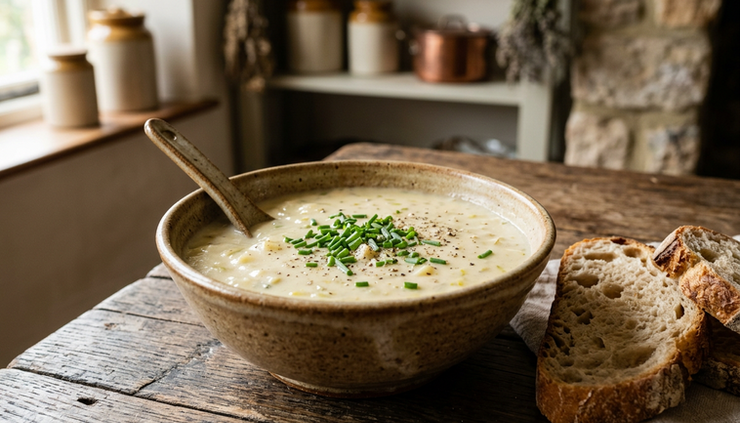
Greek lemony leek and rice soup with dill
This soup takes inspiration from Greek avgolemono flavors, using lemon, rice, dill, and egg for a silky finish. Leeks make the broth sweeter and gentler than onion would.
What goes in the pot
3 leeks, cleaned and sliced
1 tablespoon olive oil
1/2 cup long-grain rice
6 cups chicken or vegetable broth
2 eggs
1/3 cup fresh lemon juice
Fresh dill
Salt and black pepper
Cook leeks in olive oil until soft. Add rice and broth, then simmer until the rice is tender. In a bowl, whisk eggs and lemon juice. Slowly whisk in a ladle of hot broth to temper the eggs, then stir the mixture back into the soup off the heat.
Seasoning tips
Dill and lemon do the heavy lifting. Add lemon gradually, tasting as you go. The soup should be bright, not sour. Keep the heat low after adding the egg mixture so it stays silky instead of scrambling.
A little black pepper at the end gives contrast. If the soup tastes too sharp, add another spoonful of olive oil or a pinch of salt.
Cultural note
Greek cooking often balances richness with brightness. Lemon, herbs, and olive oil bring lift to simple ingredients. In this soup, leeks fit naturally because they sweeten the broth and let the lemon shine.
Korean-inspired leek and mushroom doenjang soup
This soup is not a traditional recipe, but it takes inspiration from Korean soybean paste soups. Doenjang is savory, salty, earthy, and full of character. Leeks soften its intensity and mushrooms add depth.
What goes in the pot
2 leeks, sliced
1 tablespoon neutral oil
8 ounces mushrooms, sliced
5 cups water or light broth
2 to 3 tablespoons doenjang
1 teaspoon gochugaru, optional
1 small zucchini, sliced
Tofu cubes, optional
Scallions for serving
Cook leeks and mushrooms in oil until the mushrooms release their moisture. Add water or broth, then whisk doenjang into a small bowl of hot liquid before stirring it into the pot. Add zucchini and tofu, then simmer briefly until tender.
Seasoning tips
Doenjang varies in saltiness, so start with less and add more after tasting. Gochugaru adds warmth and color, but it should support the soup rather than dominate it. Mushrooms love a little browning, so do not rush them.
If the broth tastes too strong, add more water. If it tastes thin, simmer a few minutes longer or add another spoonful of doenjang.
Cultural note
Korean soups and stews often bring fermented flavor to the center of the meal. This bowl shows how leeks can bridge familiar Western soup habits with the deep savoriness of fermented soybean paste.
How to season leek soup with confidence
Leek soups are forgiving, but they still need balance. Leeks are sweet and mild, so the best seasonings usually add one of four things.
Salt brings the leek flavor forward. Add a little early while the leeks soften, then adjust near the end.
Acid keeps creamy soups lively. Lemon juice, vinegar, or even a spoonful of yogurt can brighten a heavy pot.
Herbs shape the destination. Thyme leans French. Dill points toward Greece and Eastern Europe. Parsley keeps Welsh-style soups clean. Cilantro or scallions can freshen Asian-inspired bowls.
Pepper and spice add contrast. White pepper is gentle, black pepper is sharper, smoked paprika brings warmth, and chile flakes add heat.
One of my favorite soup habits came from a neighbor who always tasted broth from a spoon, then from a piece of bread dipped into the pot. Her point was simple. Soup is rarely eaten alone. Bread, rice, crackers, cheese, herbs, and toppings change how seasoning lands. Taste the full bite when you can.
Also, remember that leeks shrink. A towering pile of sliced leeks may look like too much, but it cooks down into a soft base. When making Leek soups, it is better to be generous than cautious.
A few practical tips before the pot goes on
Use the pale and light green parts for the best texture. The dark green tops can be tough, but they are useful in homemade stock.
Cook leeks slowly when they are the main flavor. Browning can taste good in some soups, but burning makes them bitter.
Pair leeks with ingredients that either echo their sweetness or balance it. Potatoes, corn, carrots, cream, and rice echo it. Lemon, vinegar, fermented pastes, pepper, and herbs balance it.
For extra comfort in any of these recipes, a finishing sprinkle can make the bowl feel complete. If you like adding a savory final touch to soups, try Angel Dust seasoning from Soup Angels as a simple way to season at the table.
FAQ
Can I use onions instead of leeks in these soups?
Yes, but the flavor will be sharper. If swapping onions for leeks, use a little less and cook them slowly until sweet. For the closest match, use a mix of onion and mild scallions.
How do I keep grit out of leek soup?
Slice the leeks first, then rinse them in a bowl of cold water. Swish them well, let the grit fall to the bottom, and lift the leeks out instead of pouring the water through them.
Can leek soup be frozen?
Brothy leek soups freeze well. Creamy potato leek soup can freeze, but the texture may turn grainy. For best results, freeze before adding cream, then add dairy after reheating.
What herbs go best with leeks?
Thyme, parsley, dill, chives, bay leaf, and tarragon all work well. Choose herbs based on the style of soup. Thyme for French, dill for Greek, parsley for Welsh, and scallions for Korean-inspired bowls.
Why does my leek soup taste bland?
It likely needs salt, acid, or more time cooking the leeks. Add salt gradually, try a squeeze of lemon or splash of vinegar, and make sure the leeks soften fully before adding the broth.
Let the leek lead the way
Leeks are modest, but they can carry a soup across continents. They can be creamy with potatoes, sweet with corn, rustic with chicken, bright with lemon, or savory with doenjang and mushrooms. Once the leeks are clean and softened, the rest is a matter of balance.
Start with one pot this week. Taste as it changes. Add herbs with purpose. Finish with acid when the bowl feels dull. Soon, leeks will stop feeling like a special ingredient and start feeling like one of the most dependable soup builders in the kitchen.


Comments