
_edited.jpg)

Cabbage Soup Secrets Flavorful Recipes Seasoning Tips and Best Cabbage Picks

Cabbage soup can taste flat if it is treated like a pot of boiled vegetables. Give it a little attention, and it becomes sweet, savory, silky, bright, spicy, or deeply comforting, depending on what goes into the pot.
Cabbage is one of the best soup vegetables because it changes as it cooks. Raw cabbage is crisp and peppery. Simmered cabbage turns tender and mellow. Browned cabbage becomes sweet and almost nutty. That range gives home cooks plenty of room to experiment.
Learn to cook soups with cabbage by starting with the right head, building flavor in layers, and matching your seasonings to the style of soup you want.
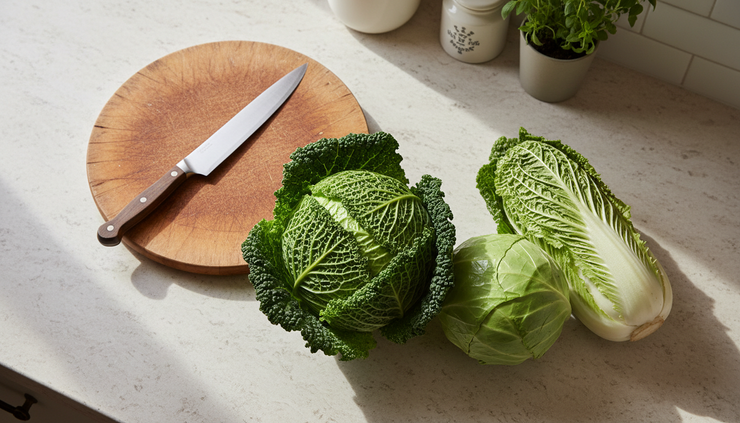
Choose cabbage that fits the soup you want
A good cabbage soup starts at the store or farmers market. Look for cabbage that feels heavy for its size. The leaves should look crisp, not limp. A few scuffed outer leaves are normal, but skip heads with dark soft spots, sour smells, or lots of browning near the core.
Different cabbage varieties behave differently in soup.
Cabbage type | Best use in soup | Flavor and texture |
Green cabbage | Classic vegetable soups, tomato soups, sausage soups | Mild, sturdy, slightly sweet after simmering |
Savoy cabbage | Brothy soups, chicken soups, potato soups | Tender, ruffled leaves with a delicate flavor |
Napa cabbage | Miso soups, ginger soups, quick noodle soups | Soft, juicy, quick-cooking, lightly sweet |
Red cabbage | Sweet-sour soups, bean soups, borscht-style soups | Earthy and colorful, turns broth purple-red |
Green cabbage is the all-purpose choice. It holds up well in a long simmer and tastes good with garlic, tomato, beans, potatoes, sausage, beef, chicken, and herbs.
Savoy cabbage cooks faster and feels more delicate. It is a great pick when the soup has a lighter broth.
Napa cabbage needs less time. Add the tender leafy tops near the end so they do not disappear into the broth.
Red cabbage can be delicious, but it changes the color of the soup. Pair it with vinegar, apples, caraway, smoked paprika, or beans for balance.
Prep cabbage so it cooks evenly
Remove any damaged outer leaves. Rinse the cabbage if needed, then cut it into quarters through the core. Slice out the tough core. For most soups, cut the leaves into thin ribbons or bite-size pieces.
For a rustic soup, thicker pieces work well. For a quick soup, slice the cabbage thin so it softens fast. If using Napa cabbage, separate the firmer white stems from the leafy tops. Add the stems first and the leaves later.
Do not worry if the pot looks overloaded at first. Cabbage shrinks as it cooks, especially when salted.
Build flavor before the cabbage goes in
Cabbage absorbs flavor, but it does not create a full soup on its own. The best Cabbage Soups usually start with a strong base.
Begin with fat, aromatics, and salt. A little olive oil, butter, bacon fat, or rendered sausage fat helps carry flavor. Onion, garlic, celery, carrots, leeks, and fennel all work well with cabbage.
Cook the aromatics until they smell sweet and savory. This step matters. If onions are still sharp when the broth goes in, the soup can taste thin.

Brown some cabbage for deeper flavor
For a richer soup, add part of the cabbage early and let it brown slightly before adding broth. The edges will soften, caramelize, and create a sweeter base.
Use medium-high heat and avoid stirring constantly. Let the cabbage touch the hot pan. Once some edges turn golden, add broth and scrape the bottom of the pot.
This works especially well for:
Sausage and cabbage soup
Potato cabbage soup
Beef cabbage soup
Tomato cabbage soup
Smoked paprika cabbage soup
Salt in stages
Cabbage needs salt, but dumping it all in at the end can make the broth salty while the vegetables still taste dull. Add a pinch when cooking the onions. Add another pinch when the cabbage goes in. Taste again after the broth has simmered.
If using salty sausage, bacon, bouillon, miso, or store-bought broth, go slowly. You can always add more.
Pick the right broth
Broth shapes the whole pot.
Chicken broth gives cabbage soup a round, savory flavor. It works with herbs, noodles, rice, potatoes, and beans.
Vegetable broth keeps the soup lighter. Choose one that tastes good on its own and is not too sweet. Mushroom broth adds depth.
Beef broth pairs well with red cabbage, tomato, cabbage rolls, barley, and root vegetables.
Pork broth or ham stock is excellent with beans, potatoes, cabbage, and greens.
Water can work if the soup has plenty of aromatics, herbs, fat, and seasoning. Add a Parmesan rind, bay leaf, dried mushrooms, tomato paste, or miso for more body.
Try these cabbage soup recipes
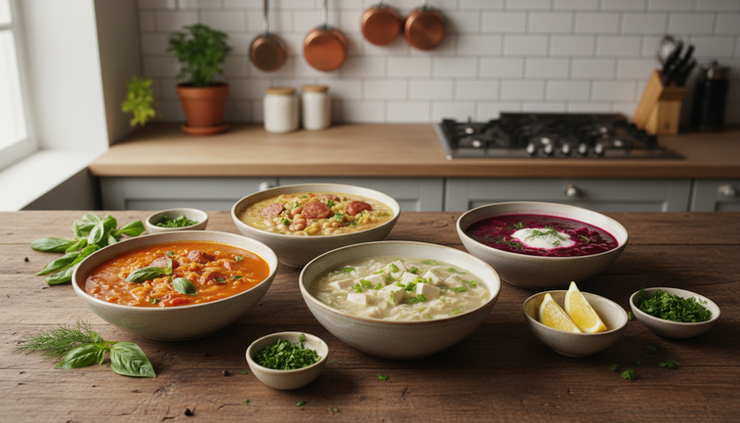
Use these recipes as starting points. Each one highlights cabbage in a different way, from light and brothy to hearty and smoky.
Classic tomato cabbage vegetable soup
This is the bright, simple version many people think of first. It is flexible, budget-friendly, and great for using up vegetables.
Cook chopped onion, carrots, and celery in olive oil until softened. Add garlic and a spoonful of tomato paste. Stir until the tomato paste darkens slightly. Add sliced green cabbage, canned diced tomatoes, vegetable or chicken broth, a bay leaf, dried oregano, salt, and pepper.
Simmer until the cabbage is tender, usually about 20 to 30 minutes. Finish with a splash of red wine vinegar or lemon juice.
Good add-ins include zucchini, green beans, chickpeas, rice, small pasta, or white beans.
Seasoning idea: Add smoked paprika for warmth or crushed red pepper flakes for heat.
Sausage, cabbage, and white bean soup
This one is hearty enough for dinner. The sausage seasons the broth, while the beans make it creamy without cream.
Brown sliced smoked sausage, kielbasa, or Italian sausage in a large pot. Remove some if needed, then cook onion and garlic in the drippings. Add green cabbage and let it wilt. Pour in chicken broth. Add drained white beans, thyme, black pepper, and a bay leaf.
Simmer until the cabbage is soft and the beans taste seasoned. Mash a small scoop of beans against the side of the pot to thicken the broth.
Finish with parsley and a little apple cider vinegar.
Seasoning idea: Use fennel seed with Italian sausage, or caraway seed with smoked sausage.
Potato cabbage soup with dill
This soup is mild, creamy, and soothing. It works well with green or Savoy cabbage.
Cook leeks or onions in butter until soft. Add diced potatoes, sliced cabbage, salt, pepper, and chicken or vegetable broth. Simmer until the potatoes are tender. Mash some potatoes in the pot for body, or blend a small portion and stir it back in.
Add chopped fresh dill at the end. A spoonful of sour cream, plain yogurt, or a splash of cream makes it richer.
Seasoning idea: Dill tastes brighter when added late. For a deeper flavor, add a bay leaf while the potatoes simmer.

Ginger miso Napa cabbage soup
Napa cabbage shines in quick soups because it softens fast and keeps a clean flavor.
Cook sliced scallions, grated ginger, and garlic in a little neutral oil. Add vegetable broth or light chicken broth and bring it to a gentle simmer. Stir in sliced Napa cabbage stems and cook for a few minutes. Add the leafy tops near the end.
Turn off the heat and whisk miso into a ladle of warm broth, then stir it back into the pot. Do not boil the miso after adding it, since high heat can dull its flavor.
Add tofu, mushrooms, shredded chicken, ramen noodles, or a soft-boiled egg if you want a fuller meal.
Seasoning idea: Finish with toasted sesame oil, chili crisp, or rice vinegar.
Sweet-sour red cabbage and bean soup
Red cabbage loves sweet and tangy flavors. This soup is bold, earthy, and colorful.
Cook onion in olive oil until soft. Add shredded red cabbage, grated apple, garlic, caraway seed, and a pinch of salt. Cook until the cabbage starts to wilt. Add beef or vegetable broth, a spoonful of tomato paste, and drained kidney beans or white beans.
Simmer until tender. Finish with apple cider vinegar and a small spoonful of brown sugar or honey if the soup tastes too sharp.
Seasoning idea: Caraway is strong, so start small. A little goes a long way.
Season cabbage soup with confidence
Seasoning cabbage soup is mostly about balance. Cabbage turns sweet as it cooks, so it needs savory depth, salt, and often a bright finish.
Herbs that work well
Dried herbs should go in early so they can soften and flavor the broth. Fresh herbs taste best near the end.
Good matches include:
Thyme with chicken broth, sausage, potatoes, and beans
Dill with potatoes, leeks, sour cream, and chicken
Parsley with almost any cabbage soup
Bay leaf with tomato, beef, beans, and root vegetables
Oregano with tomato-based cabbage soup
Cilantro with lime, chili, ginger, and lighter broths
Spices that make cabbage more interesting
Cabbage can handle stronger spices than many cooks expect.
Smoked paprika adds warmth and a campfire-like flavor. Caraway gives cabbage an old-world flavor that fits sausage, rye bread, potatoes, and red cabbage. Cumin works in cabbage soups with tomatoes, beans, chili powder, or lime. Turmeric adds earthiness and color to vegetable cabbage soup. Crushed red pepper brings heat without changing the whole flavor profile.
Bloom spices in fat when possible. Add them to the pot after the onions soften and before the broth goes in. Stir for 30 seconds or so, just until fragrant. This wakes up their flavor.
Acid is the finishing move
Many cabbage soups taste fine after simmering, then taste much better after a small hit of acid. Acid cuts through sweetness and makes the broth feel alive.
Try:
Lemon juice with chicken, dill, or miso-style soups
Apple cider vinegar with sausage, beans, potatoes, or red cabbage
Red wine vinegar with tomato cabbage soup
Rice vinegar with ginger, sesame, or soy sauce flavors
Sauerkraut brine in a cabbage and sausage soup
Add acid at the end, then taste. Start with a teaspoon or two, stir, and add more if needed.
Add richness when the soup tastes thin
If the broth tastes watery, do not reach for more salt right away. It may need body.
Try one of these fixes:
Simmer uncovered for a few minutes
Mash some potatoes or beans into the broth
Add tomato paste and cook it into the base next time
Stir in a spoonful of miso off the heat
Add a Parmesan rind while simmering
Finish with olive oil, butter, sour cream, or cream
A little fat can make cabbage taste sweeter and the broth feel more complete.
Frequently asked questions
How long should cabbage cook in soup?
Green cabbage usually takes 20 to 30 minutes to become tender. Savoy cabbage may take less time. Napa cabbage can soften in 5 to 10 minutes, especially the leafy parts.
Can I freeze cabbage soup?
Yes, most cabbage soups freeze well. Soups with cream, noodles, or potatoes may change texture after freezing. For best results, freeze the broth and vegetables, then add noodles, cream, or fresh herbs when reheating.
Why does my cabbage soup taste bland?
It probably needs more layered seasoning. Cook the onions longer, salt in stages, use a broth with good flavor, and finish with acid. Tomato paste, browned sausage, garlic, herbs, miso, or a Parmesan rind can also help.
Can I use bagged shredded cabbage?
Yes. Bagged shredded cabbage is convenient and cooks quickly. It is best for fast soups, brothy soups, or weeknight vegetable soups. Since it is thin, check it early so it does not overcook.
What can I add to make cabbage soup a full meal?
Beans, lentils, potatoes, rice, barley, noodles, sausage, shredded chicken, tofu, ground beef, or eggs can all make cabbage soup more filling. Match the add-in to the broth and seasonings.
Cabbage soup rewards tasting as you go. Choose a cabbage that fits the pot, build a flavorful base, season in layers, and finish with something bright. Once those habits become familiar, the recipes become flexible. A half head of cabbage, a good broth, and a few smart seasonings can turn into a different soup every time.


Comments