
_edited.jpg)

How to Cook and Season Red Snapper Soup to Perfection

Red snapper makes soup feel special without making it fussy. The fish is mild, slightly sweet, and firm enough to hold together when simmered gently. That makes it a great choice for home cooks who want a seafood soup with clean flavor, tender pieces of fish, and a broth that tastes full without being heavy.
The key is balance. Red snapper does not need aggressive seasoning or a long cooking time. It needs a good broth, fresh aromatics, the right amount of acid, and gentle heat. Once those pieces are in place, the soup comes together quickly.
Start with the right red snapper and a clean broth
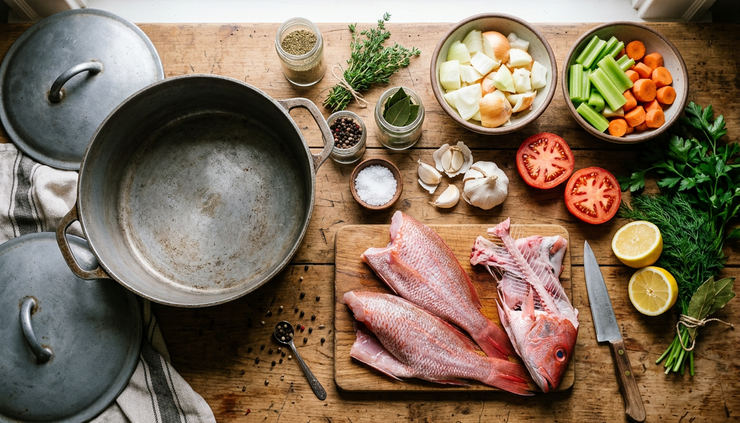
Great red snapper soup starts before the pot hits the stove. If the fish is fresh and the broth is clean, the finished soup tastes light, savory, and sweet. If the fish is tired or the broth is muddy, no amount of seasoning can fully fix it.
Look for red snapper that smells like the ocean, not like ammonia or strong fish. The flesh should look moist and firm. If buying whole snapper, the eyes should look clear and the gills should be red or pink. Fillets should not look dry around the edges.
For soup, both fillets and whole fish work well.
Fillets are easiest. They cook fast, flake neatly, and make the soup simple to serve.
Whole fish gives deeper flavor. The head and bones can help build a richer broth. If using whole snapper, ask the fishmonger to scale and clean it. You can also ask for the bones if buying fillets.
A basic fish broth does not need hours. In fact, long simmering can make fish stock taste bitter or too strong. A short simmer is better.
For a simple red snapper broth, use:
Fish bones or head, if available
Onion
Celery
Carrot
Garlic
Bay leaf
Parsley stems or thyme
Black peppercorns
Cold water
Bring everything to a gentle simmer, then cook for about 25 to 35 minutes. Skim off any foam that rises. Strain the broth before using it for the soup.
If you do not have fish bones, use a light seafood stock, vegetable broth, or water with aromatics. Avoid strong chicken broth unless the recipe is designed for it. It can cover the delicate taste of the snapper.
A good red snapper soup should taste like fish, vegetables, herbs, and warmth. It should not taste salty first.
Build flavor before adding the fish
The biggest mistake in fish soup is adding the fish too early. Red snapper cooks quickly, so the broth needs flavor before the fish goes in.
Start with aromatics. Heat a little olive oil or neutral oil in a soup pot over medium heat. Add chopped onion, celery, and carrot. Cook until they soften and smell sweet. This usually takes 5 to 7 minutes.
Then add garlic. Cook it for about 30 seconds to 1 minute. Garlic burns fast, and burnt garlic makes soup taste sharp.
From there, choose a flavor direction.
For a classic light red snapper soup, add:
Diced tomatoes
Thyme
Bay leaf
Parsley
Black pepper
A small pinch of red pepper flakes
Lemon juice at the end
For a Caribbean-inspired version, add:
Scallions
Fresh thyme
Scotch bonnet or habanero, used carefully
Allspice
Ginger
Lime juice
Cilantro or parsley
For a Gulf Coast-style soup, add:
Bell pepper
Celery
Onion
Garlic
Paprika
Cayenne
Tomato
Okra, if desired
For a coconut lime version, add:
Ginger
Garlic
Scallions
Coconut milk
Lime juice
Cilantro
Mild chile
The goal is not to bury the snapper under spice. The goal is to season the broth so every spoonful supports the fish.
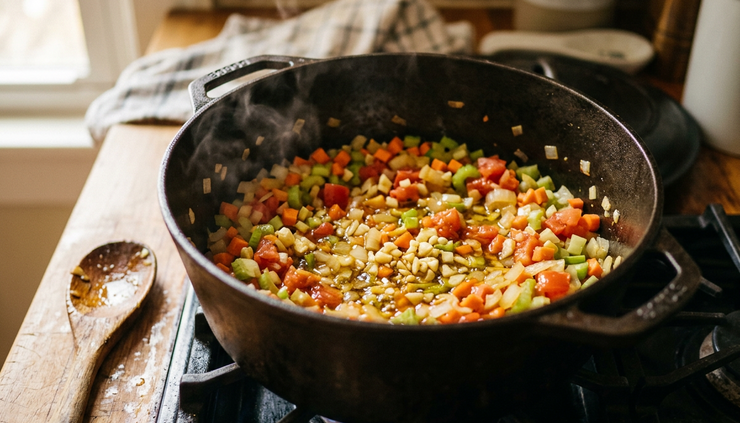
After the aromatics soften, add broth and bring it to a gentle simmer. This is the moment to season lightly with salt. Do not add all the salt at once. Soup reduces as it cooks, and fish also brings its own natural flavor.
Let the broth simmer with the vegetables and herbs until everything tastes connected. This may take 15 to 25 minutes, depending on the recipe. Taste the broth before adding the fish. It should taste good on its own.
This is also where the main lesson matters most: Learn how to make soups with Red Snapper by treating the fish as the final ingredient, not the foundation of the cooking time. Build the soup first, then let the snapper finish it.
Season red snapper soup in layers
Seasoning soup is not one big move. It works best in layers.
Salt, spice, herbs, fat, and acid each have a job. When used well, they make red snapper taste sweeter and more savory. When overused, they make the soup flat or harsh.
Salt early, then adjust late
Add a small amount of salt when the broth goes in. This helps the vegetables and broth taste complete. Then wait.
After the soup simmers and the fish cooks, taste again. Add more salt only if the broth tastes dull. If the soup has tomatoes, seafood stock, or canned ingredients, it may need less salt than expected.
A useful habit is to season in small pinches and taste after each one. It is easy to add more. It is hard to rescue an oversalted fish soup.
Use heat with care
Red snapper can handle chile, but too much heat hides its flavor. Red pepper flakes, cayenne, Scotch bonnet, jalapeño, or hot sauce can all work.
For a gentle warmth, add a pinch of red pepper flakes while the aromatics cook.
For brighter heat, add sliced fresh chile during the simmer.
For strong chile flavor without overwhelming the soup, add a whole hot pepper to the pot and remove it before it bursts. This works especially well with Scotch bonnet or habanero.
Add herbs at the right time
Sturdy herbs can simmer. Delicate herbs should finish the soup.
Add early:
Thyme
Bay leaf
Oregano
Parsley stems
Add near the end:
Cilantro
Parsley leaves
Basil
Dill
Chives
Fresh herbs added at the end make the soup smell brighter. They also add color.
Finish with acid
Acid is what wakes up fish soup. Lemon juice, lime juice, or a splash of vinegar can make the broth taste cleaner.
Add acid after the fish cooks and the heat is low or off. Start small, then taste. The soup should taste brighter, not sour.
For tomato-based red snapper soup, lemon works well. For coconut or Caribbean flavors, lime often tastes best.
Add richness without heaviness
Red snapper soup does not need cream to taste satisfying. A small amount of good fat can round out the broth.
Try one of these:
Olive oil drizzled at the end
Coconut milk for a creamy tropical broth
A small pat of butter in a tomato broth
Avocado slices added to the bowl
A spoonful of cooked rice or potatoes for body
If making other firm white fish soups, these same seasoning ideas also work for Grouper Soups, though grouper often tastes a little meatier and can handle slightly bolder spice.
Cook the fish gently so it stays tender
Red snapper goes from tender to dry quickly. The safest method is to lower the heat before adding the fish.
Cut the fillets into large chunks, about 1 1/2 to 2 inches. Smaller pieces may fall apart. Pat the fish dry and season it lightly with salt and pepper before adding it to the pot.
Once the broth tastes right, reduce the heat to low. The soup should be steaming, with only small bubbles around the edges. Add the fish pieces in a single layer if possible. Spoon hot broth over the top.
Cook until the fish turns opaque and flakes easily with a fork. This often takes about 5 to 8 minutes, depending on the thickness of the pieces. For food safety, fish should reach 145°F in the thickest part.
Do not boil the soup after adding red snapper. Boiling can break the fish into shreds and make the texture tough.
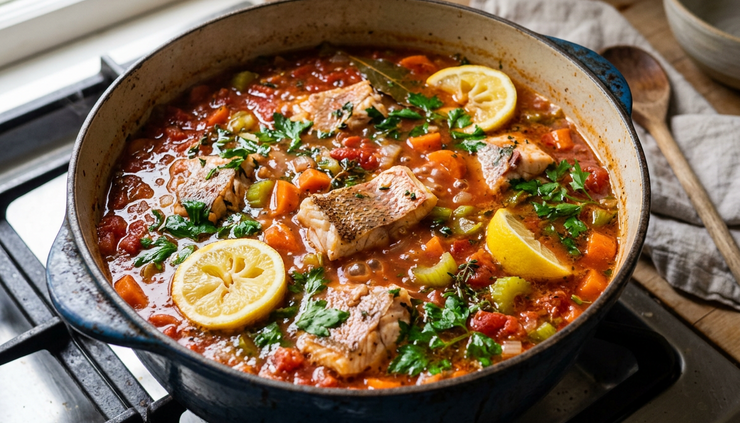
If using whole snapper pieces, handle them gently. The bones add flavor, but they also require careful serving. Let diners know if the soup contains bone-in fish, or remove the fish after cooking, pick the meat from the bones, and return the meat to the pot.
For a smoother serving style, cook the snapper in larger pieces, remove them to a plate, then ladle the soup into bowls and place fish on top. This keeps the pieces attractive and helps prevent overcooking.
Use a reliable red snapper soup method
This method gives you a balanced soup with tender fish, savory broth, and bright finish. Treat it as a base, then adjust the seasonings to match the style you like.
Ingredients
1 1/2 pounds red snapper fillets, cut into large chunks
2 tablespoons olive oil
1 medium onion, chopped
2 celery ribs, chopped
1 medium carrot, chopped
3 garlic cloves, minced
1 cup diced tomatoes, fresh or canned
6 cups light fish broth, seafood stock, vegetable broth, or water
1 bay leaf
1 teaspoon fresh thyme leaves, or 1/2 teaspoon dried thyme
1/4 teaspoon red pepper flakes, optional
1 teaspoon kosher salt, plus more to taste
1/2 teaspoon black pepper
1 tablespoon lemon or lime juice, plus more to taste
1/4 cup chopped parsley or cilantro
Cooked rice, potatoes, or crusty bread for serving, optional
Method
Season the fish lightly. Pat the snapper dry. Sprinkle with a small amount of salt and pepper. Set it aside while you start the soup.
Cook the aromatics. Heat olive oil in a soup pot over medium heat. Add onion, celery, and carrot. Cook until softened, about 5 to 7 minutes.
Add garlic and tomatoes. Stir in the garlic and cook briefly. Add the tomatoes and cook until they soften and release some juice.
Simmer the broth. Add the broth, bay leaf, thyme, red pepper flakes, salt, and black pepper. Bring to a gentle simmer. Cook for 15 to 20 minutes, until the vegetables are tender and the broth tastes seasoned.
Add the snapper. Lower the heat. Add the fish pieces and cook gently until opaque and flaky, about 5 to 8 minutes.
Finish the soup. Turn off the heat. Add lemon or lime juice and fresh herbs. Taste and adjust salt, pepper, and acid.
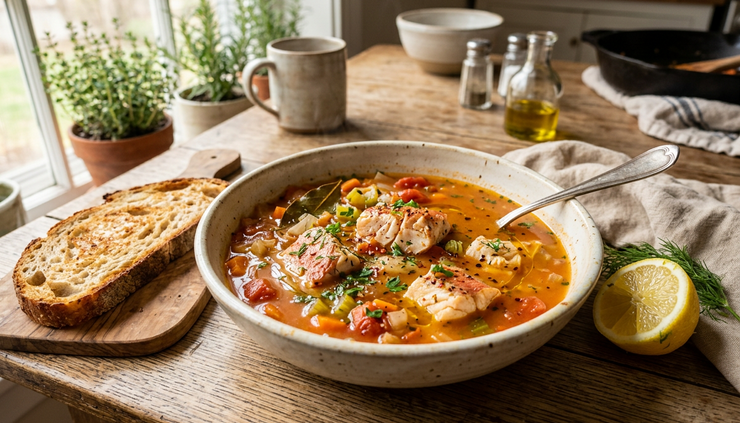
Serve gently. Ladle into bowls without breaking the fish apart. Serve with rice, potatoes, or bread if desired.
A bowl of red snapper soup should feel light but satisfying. The broth should have enough seasoning to stand on its own, while the fish should still taste fresh and sweet.
Common mistakes that flatten the flavor
Even a simple fish soup can go wrong if the timing is off. These are the problems that show up most often.
Boiling the fish
A rolling boil breaks snapper apart and makes it dry. Keep the heat low once the fish goes in.
Using too much seasoning too soon
Heavy spice blends can hide the fish. Start with onion, garlic, herbs, and light heat. Build from there.
Skipping acid
Without lemon, lime, or vinegar, fish soup can taste flat. Add acid at the end so it stays bright.
Cooking fish stock too long
Fish bones make great broth, but they do not need hours. A short simmer keeps the flavor clean.
Forgetting texture
Soup is better when it has contrast. Add tender vegetables, intact fish pieces, and something to serve with it, such as rice, bread, or potatoes.
FAQ
Can I use frozen red snapper for soup?
Yes. Thaw it in the refrigerator, then pat it dry before cooking. Frozen snapper works well as long as it smells clean and has a firm texture after thawing.
Should I remove the skin from red snapper?
For fillet pieces, skin can stay on if it is scaled well. It helps hold the fish together. If you prefer a cleaner texture, remove it before cutting the fish into chunks.
What vegetables go best in red snapper soup?
Onion, celery, carrots, tomatoes, bell pepper, potatoes, okra, and greens all work well. Choose vegetables that can cook in the broth without overpowering the fish.
How do I store leftover red snapper soup?
Cool it quickly and refrigerate it in a covered container. Eat it within a day or two for the best texture. Reheat gently over low heat so the fish does not become tough.
Can I make the soup ahead of time?
You can make the broth and vegetable base ahead. Add the red snapper when you reheat the soup, shortly before serving. This keeps the fish tender.
A simple way to make every pot better
Red snapper soup rewards patience, but not long cooking. Build a flavorful broth, season in layers, add the fish near the end, and finish with fresh herbs and citrus. That is the path to a soup that tastes clean, rich, and balanced.
For an easy seasoning boost designed for soups, try Angel Dust soup seasoning from Soup Angels and use it as a finishing touch with a careful hand.
The best next step is simple: make one pot, taste as you go, and write down what you changed. The next bowl will be even better.


Comments