
_edited.jpg)

Moroccan Spiced Carrot Soup Recipe Easy Budget Friendly and Flavorful

A pot of carrot soup can be simple, but it should never be bland. This Moroccan-inspired version turns humble carrots, onions, broth, and warming spices into a smooth, colorful soup that tastes far richer than it costs.
Students, families, and home cooks will love this soup because it teaches core cooking skills without requiring expensive ingredients. The flavor is inspired by Morocco’s long tradition of spice-forward cooking, where ingredients like carrots, citrus, herbs, and aromatic seasonings are used to create warm, comforting meals meant to be shared.

Why You’ll Love This Soup
This Moroccan Spiced Carrot Soup is the kind of recipe that fits real life. It is quick enough for a weeknight, affordable enough for a tight grocery budget, and flavorful enough to serve with pride.
You’ll love it because it is:
Quick and easy to make
Budget-friendly
Great for meal prep
Family-friendly
Packed with flavor
Freezer-friendly
Smooth, comforting, and colorful
The carrots bring natural sweetness. The spices add warmth. Angel Dust Soup Seasoning helps build a savory base that makes the soup taste complete without needing a long list of specialty ingredients.
Quick Recipe Snapshot
Recipe Detail | Information |
Servings | 6 |
Prep Time | 10 minutes |
Cook Time | 35 minutes |
Total Time | 45 minutes |
Difficulty | Easy |
Cuisine | Moroccan-inspired |
State/Country of Origin | Morocco, inspired by North African flavors |
Best Season | Fall, winter, and early spring |
Budget Level | $ |
Ingredients
For the Soup
2 pounds carrots, peeled and cut into 1-inch pieces
1 medium yellow onion, chopped
3 garlic cloves, chopped
2 tablespoons olive oil
1 tablespoon tomato paste
1 1/2 teaspoons ground cumin
1/2 teaspoon ground ginger
1/4 teaspoon ground cinnamon
1 to 2 teaspoons Angel Dust Soup Seasoning
4 cups vegetable stock or chicken stock
1 cup cooked chickpeas, drained and rinsed
1 tablespoon fresh lemon juice
1 teaspoon honey or maple syrup, optional
Salt, to taste
Black pepper, to taste
Optional Garnishes
Fresh cilantro, parsley, or mint
Plain yogurt or coconut yogurt
Crumbled feta cheese
Toasted chickpeas
Croutons
Crispy fried onions
Toasted pumpkin seeds
A drizzle of olive oil
Lemon zest

Key Ingredients and Why They Matter
Carrots
Carrots are the heart of this soup. They add natural sweetness, bright color, and a creamy texture once blended. They are also affordable and easy to find year-round.
Angel Dust Soup Seasoning
This seasoning builds the savory backbone of the soup. It adds depth, warmth, and balance so the carrots taste full and well-rounded instead of flat.
Cumin, ginger, and cinnamon
These spices give the soup its Moroccan-inspired character. Cumin brings earthiness, ginger adds gentle heat, and cinnamon adds warmth without making the soup taste sweet.
Chickpeas
Chickpeas add body and protein. Once blended, they help make the soup creamy without heavy cream.
Lemon juice
A small splash at the end wakes up the whole pot. Acid is one of the easiest ways to make soup taste brighter and more professional.
Step-by-Step Instructions
Step 1
Heat the oven to 425°F. Place the carrots and onion on a sheet pan. Toss with olive oil, a pinch of salt, and black pepper.
Step 2
Roast for 20 to 25 minutes, until the carrots are tender and lightly browned at the edges. Roasting brings out their natural sweetness.
Step 3
Warm a large soup pot over medium heat. Add the garlic, tomato paste, cumin, ginger, cinnamon, and Angel Dust Soup Seasoning. Stir for 1 minute to bloom the spices.
Step 4
Add the roasted carrots and onion to the pot. Pour in the stock and add the chickpeas. Bring to a simmer and cook for 10 minutes.
Step 5
Blend the soup until smooth using an immersion blender. Stir in lemon juice and honey or maple syrup if using. Taste and adjust seasoning.
Step 6
Serve hot with fresh herbs, toasted chickpeas, yogurt, feta, croutons, or crispy toppings. Enjoy every spoonful.
Chef’s note: If the soup becomes too thick after blending, add a little more stock or water until it reaches the texture you like.

Chef’s Secrets for Better Soup
Small choices make a big difference in soup making. These tips help turn a simple carrot soup into something memorable.
Roast the vegetables before simmering
Roasted carrots taste sweeter and deeper than boiled carrots. The browned edges add flavor without adding cost.
Season in layers
Add a little salt and pepper when roasting, then season again after blending. Soup tastes better when seasoning happens in stages.
Bloom the spices
Stirring dry spices in warm oil for about a minute helps release their aroma. This step makes the cumin, ginger, and cinnamon taste richer.
Finish with acid
Lemon juice balances the sweetness of the carrots. Add it at the end so it stays bright.
Use homemade stock when possible
A simple homemade vegetable or chicken stock adds depth. Store-bought stock works well too, especially for a fast weeknight meal.
Add herbs at the end
Fresh cilantro, parsley, or mint should go on just before serving. This keeps their flavor fresh and clean.
If you want to Learn how to make Moroccan Spiced Carrot soup with Angel Dust Seasoning, start by focusing on these basic chef habits. Roast, season, simmer, blend, and finish with something fresh.
Chef’s Variations
Dietary Substitutions
Gluten-Free
The soup is naturally gluten-free if the stock and toppings are gluten-free. Skip regular croutons or use gluten-free croutons.
Dairy-Free
Use coconut yogurt, olive oil, or toasted seeds instead of yogurt, cream, or cheese.
Vegetarian
Use vegetable stock and avoid meat-based garnishes.
Vegan
Use vegetable stock and maple syrup instead of honey. Choose plant-based yogurt if adding a creamy topping.
Flavor Twists
Spicy Version
Add cayenne pepper, harissa paste, or crushed red pepper flakes. Start small, then taste.
Smoky Version
Add a pinch of smoked paprika or garnish with crispy smoked chickpeas.
Southwest Version
Add chili powder, lime juice, and roasted corn. Top with avocado and cilantro.
Mediterranean Version
Add a little oregano and finish with feta, parsley, and a drizzle of olive oil.
Make-Ahead Tips
Roast the carrots and onion up to 2 days ahead. Store them in an airtight container in the refrigerator. When ready to cook, simmer them with stock, chickpeas, and spices, then blend.
You can also make the full soup ahead. The flavor often improves after a day in the refrigerator.
Meal Prep Notes
This soup works well for lunches and easy dinners. Portion it into single-serving containers so it is ready to heat and eat. Keep garnishes separate until serving so they stay fresh or crisp.
Storage and Reheating
Refrigerator
Store in an airtight container for 4 days. Let the soup cool before sealing and refrigerating.
Freezer
Freeze for up to 3 months. Leave a little space at the top of the container because soup expands as it freezes.
Reheating
Stovetop
Warm over medium-low heat, stirring often. Add a splash of stock or water if the soup is too thick.
Microwave
Heat in a microwave-safe bowl in 1-minute intervals. Stir between each interval until hot.
Allergy and Dietary Notes
As written, this soup contains no dairy, gluten, soy, or nuts. Always check labels on stock, seasonings, toppings, and packaged ingredients.
This recipe can be made:
Nut-free
Gluten-free
Dairy-free
Vegetarian
Vegan
Possible allergens may come from optional garnishes such as feta cheese, yogurt, croutons, or packaged crispy toppings.
What Pairs Well With This Soup?
Breads
Serve with warm pita, crusty sourdough, naan, or garlic toast. For a gluten-free option, pair it with gluten-free flatbread or rice crackers.
Salads
A cucumber and tomato salad works beautifully. A simple greens salad with lemon vinaigrette also keeps the meal bright.
Sandwiches
Try it with grilled cheese, turkey panini, hummus and veggie wraps, or roasted chicken sandwiches.
Beverages
Mint tea is a fitting choice with Moroccan-inspired flavors. Sparkling water with lemon or a lightly sweet iced tea also pairs well.
Culinary Learning Moment
This recipe teaches more than how to follow directions. It builds real kitchen skills that transfer to many soups.
Knife skills
Cutting carrots and onions into even pieces helps them roast evenly.
Stock making
The recipe shows how stock becomes the liquid foundation of soup.
Flavor layering
Roasting, blooming spices, simmering, and finishing with lemon all add layers of flavor.
Regional food history
Moroccan cooking reflects Arab, Amazigh, Mediterranean, and Sub-Saharan influences. Spices, preserved ingredients, grains, legumes, and vegetables all play a role in the food traditions of the region.
Nutritional balance
Carrots provide vegetables and fiber. Chickpeas add plant-based protein and body. Stock and seasonings create comfort without needing heavy cream.
Story Behind the Soup
Moroccan food is known for warmth, hospitality, and the careful use of spices. Many dishes balance sweet, savory, earthy, and bright flavors in one bowl or plate. This soup takes inspiration from that tradition while keeping the method simple enough for a classroom kitchen, family table, or beginner cook.
Carrot soup is also a lesson in respect for simple ingredients. A low-cost vegetable can become something beautiful when treated with care. Roasting, seasoning, and blending show how technique can turn ordinary groceries into a meal that feels special.
Nutrition Information
Approximate per serving, based on 6 servings without optional garnishes:
Nutrient | Amount |
Calories | 185 |
Protein | 5 g |
Carbohydrates | 30 g |
Fat | 6 g |
Fiber | 7 g |
Sodium | 520 mg |
Nutrition will vary based on stock, toppings, and portion size.
Fun Facts About This Soup
Did You Know?
Carrots were not always orange
Historical carrot varieties came in colors such as purple, yellow, red, and white before orange carrots became common.
Moroccan cooking often balances sweet and savory
Dishes may include spices, dried fruit, citrus, herbs, and vegetables in the same meal.
Chickpeas are a long-loved pantry ingredient
Chickpeas are used across North Africa, the Middle East, the Mediterranean, and South Asia.
Morocco sits at a crossroads
Its food traditions reflect geography, trade, agriculture, and cultural exchange across North Africa and beyond.
Frequently Asked Questions About This Soup
Can I make this soup without roasting the carrots?
Yes. Sauté the onion and garlic in the pot, add the carrots, spices, stock, and chickpeas, then simmer until tender. Roasting adds more flavor, but the stovetop method is faster.
Can I use baby carrots?
Yes. Baby carrots work well and save prep time. Roast them until tender, then continue with the recipe.
How can I make the soup creamier?
Blend it thoroughly and add a little coconut milk, heavy cream, or extra chickpeas. For a lighter option, add more stock and blend until silky.
Is this soup spicy?
No, it is warmly spiced rather than hot. Add harissa, cayenne, or red pepper flakes if you want more heat.
Can I double the recipe?
Yes. Use a larger pot and blend in batches if needed. This soup freezes well, so doubling is a smart meal prep move.
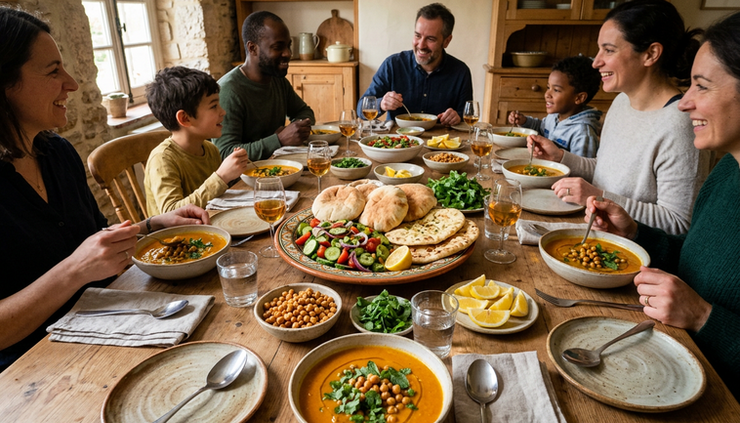
Community Connection
Soup has a way of bringing people to the same table. This Moroccan-inspired carrot soup reflects the mission of the Angels Academy of Culinary Arts by teaching life skills through food, community, and practical cooking.
A recipe like this helps students practice knife skills, seasoning, budgeting, safe cooking, and teamwork. It also opens a door to learning about culture and tradition through a shared bowl of soup.
For deeper flavor in your own soup kitchen, classroom, or home pantry, explore Angel Dust Soup Seasoning.
Angels Academy of Culinary Arts Recipe Library
“Teaching Life Skills Through Food, Community, and Culinary Arts.”
Make this soup once to learn the method. Make it again to make it your own. With carrots, stock, thoughtful seasoning, and a few finishing touches, a simple pot of soup can become comfort, culture, and community in one bowl.
Free Soup - Brownie's Meals - reserve for 10/10/26


Comments