
_edited.jpg)

New Jersey Wild Rice Soup Recipe for Culinary Students

Updated: 1 day ago
A great soup teaches more than simmering. It teaches timing, knife cuts, seasoning, texture, and how humble ingredients become something people remember.
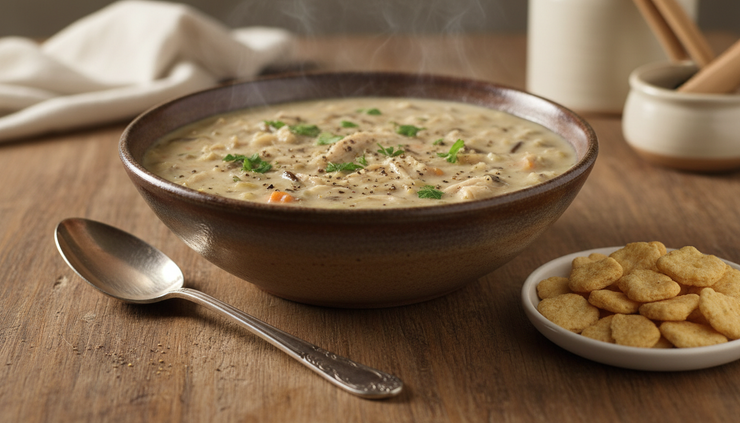
This New Jersey Wild Rice Soup is creamy, hearty, and built for learning. Culinary students will love it because it uses core soup-making skills, including sweating vegetables, building flavor in layers, cooking grains properly, and finishing with balance. Its community inspiration comes from New Jersey’s mix of farm markets, cozy diners, and shared school kitchens where warm soup often brings people together.

Why this soup belongs in a culinary arts recipe library
Wild rice soup is a strong classroom recipe because it rewards patience without being too hard. Students practice simple techniques, then taste how each step affects the final bowl.
The New Jersey angle comes from the flavors many local home cooks recognize: mushrooms, carrots, celery, onions, herbs, and a creamy broth that feels at home next to diner classics and family-style meals. It is comforting, practical, and easy to adapt for different diets.
If your goal is to Leanr how to make New Jersey Wild Rice Soup, this version keeps the method clear and student-friendly while still tasting like a polished café soup.
Quick Info
Recipe Detail | Amount |
Servings | 6 servings |
Prep Time | 20 minutes |
Cook Time | 55 minutes |
Total Time | 1 hour 15 minutes |
Difficulty | Medium |
Best skill level
This recipe is best for beginners who already know basic knife safety, or for home cooks ready to practice a classic soup-building method.
Main skills practiced
Knife cuts for vegetables
Sweating aromatics
Making a light roux
Simmering grains
Adjusting seasoning
Finishing with cream or a dairy-free swap
Ingredients
Soup base
2 tablespoons unsalted butter
1 tablespoon olive oil
1 medium yellow onion, finely diced
2 medium carrots, small diced
2 celery ribs, small diced
1 small leek, white and light green parts only, cleaned and thinly sliced
8 ounces cremini mushrooms, sliced
3 garlic cloves, minced
1 teaspoon kosher salt, plus more to taste
1/2 teaspoon black pepper
1 teaspoon dried thyme
1/2 teaspoon dried rosemary, lightly crushed
1 bay leaf
Wild rice and broth
1 cup wild rice blend, rinsed
6 cups low-sodium chicken broth or vegetable broth
1 cup water, as needed during cooking
Creamy finish
3 tablespoons all-purpose flour
1 cup whole milk
1/2 cup heavy cream
1 teaspoon lemon juice
2 tablespoons chopped fresh parsley
Optional topping
Extra chopped parsley
Cracked black pepper
Toasted breadcrumbs
Grated Parmesan cheese

Step-by-Step Instructions
1. Rinse the rice
Place the wild rice blend in a fine-mesh strainer. Rinse under cold water for about 30 seconds.
This removes extra starch and keeps the soup from tasting muddy.
2. Prep the vegetables
Dice the onion, carrots, and celery into similar small pieces. Slice the leek and mushrooms.
Even cuts help the vegetables cook at the same speed.
3. Sweat the aromatics
Warm the butter and olive oil in a large soup pot over medium heat.
Add the onion, carrots, celery, and leek. Cook for 6 to 8 minutes, stirring often, until the vegetables soften but do not brown.
4. Add the mushrooms
Stir in the mushrooms.
Cook for 6 to 7 minutes, until they release moisture and begin to shrink.
5. Season the base
Add the garlic, salt, pepper, thyme, rosemary, and bay leaf.
Cook for 1 minute, just until the garlic smells fragrant.
6. Add the flour
Sprinkle the flour over the vegetables.
Stir constantly for 1 to 2 minutes. The flour should coat the vegetables and lose its raw smell.
7. Add the broth slowly
Pour in 1 cup of broth while stirring.
Scrape the bottom of the pot to lift up any flavorful bits. Add the remaining broth once the mixture looks smooth.
8. Simmer the rice
Stir in the rinsed wild rice blend.
Bring the soup to a gentle boil, then reduce the heat to low. Cover partially and simmer for 40 to 50 minutes, stirring every 10 minutes.
The rice should be tender but still slightly chewy.
9. Adjust the texture
If the soup becomes too thick before the rice is tender, add up to 1 cup of water.
Keep the heat low so the bottom does not scorch.
10. Add the dairy
Lower the heat as much as possible.
Stir in the milk and heavy cream. Warm for 3 to 5 minutes, but do not boil.
11. Finish the flavor
Remove the bay leaf.
Stir in the lemon juice and parsley. Taste and adjust with more salt, pepper, or lemon juice.
12. Rest before serving
Let the soup sit for 5 minutes off the heat.
This helps the texture settle and gives the flavors time to come together.
Chef’s Secrets to Elevate This Recipe
Small choices make this soup taste like it came from a trained kitchen rather than a rushed pot.
Build flavor before adding broth.
Do not hurry the vegetables. Onion, carrot, celery, leek, and mushrooms create the foundation of the soup. If they taste flat, the whole pot will taste flat.
Use low-sodium broth.
Wild rice needs time to cook, and the soup reduces as it simmers. Low-sodium broth gives better control over the final seasoning.
Toast the rice for deeper flavor.
For a nuttier taste, add the rinsed and drained rice to the pot after the garlic and spices. Stir for 1 minute before adding flour and broth.
Finish with acid.
The lemon juice may seem small, but it brightens the creamy broth. Without it, the soup can taste heavy.
Cut vegetables with purpose.
Small dice works best here. Large chunks can make the soup feel more like stew and may distract from the wild rice.

Chef’s Variations
This soup is flexible. Once the base method is understood, the recipe can move in several directions.
Dietary substitutions
For a gluten-free option, skip the all-purpose flour. Use 2 tablespoons cornstarch mixed with 3 tablespoons cold water. Stir the slurry into the soup during the last 10 minutes of cooking.
For a dairy-free version, replace the butter with olive oil. Use unsweetened oat milk or cashew cream instead of milk and heavy cream. Choose a dairy-free broth and skip Parmesan topping.
For a vegetarian soup, use vegetable broth. Add extra mushrooms or white beans for more body.
For a nut-free version, avoid cashew cream and any nut-based milk. Use oat milk or coconut milk if the flavor fits your menu.
Make-ahead tips
This soup can be made 1 to 2 days ahead.
The rice will continue to absorb liquid in the refrigerator, so the soup thickens as it sits. Add broth, milk, or water when reheating until the texture looks right again.
For best results, reheat over medium-low heat and stir often.
Picnic-friendly storage
Creamy soups need safe handling.
Cool the soup quickly in shallow containers. Refrigerate within 2 hours of cooking. For transport, keep it chilled in an insulated cooler with ice packs.
Serve it hot from a thermos or reheat it fully before serving. If serving at an outdoor event, do not leave it in the temperature danger zone for long periods.
Flavor twists
Try one of these changes after mastering the basic method:
Add diced cooked chicken for a heartier bowl.
Stir in baby spinach during the last 2 minutes.
Add sweet corn for a late-summer New Jersey farm stand feel.
Use smoked paprika for a gentle smoky note.
Add a splash of dry white wine after cooking the mushrooms.
Top with oyster crackers for a diner-inspired finish.
A lighter version
Use 2% milk instead of whole milk and replace the heavy cream with more milk. The soup will be less rich, but still comforting.
To keep the body creamy, blend 1 cup of the cooked soup and stir it back into the pot.
Allergy and Dietary Notes
This recipe can fit many kitchens with a few careful swaps.
Need | Simple adjustment |
Gluten-free | Use cornstarch slurry instead of flour |
Dairy-free | Use olive oil, oat milk, and dairy-free cream |
Vegetarian | Use vegetable broth |
Nut-free | Avoid nut milks and cashew cream |
Lower sodium | Use unsalted broth and season at the end |
This recipe contains dairy and wheat as written. It may also contain gluten depending on the broth and wild rice blend used. Always check ingredient labels when cooking for someone with an allergy.
What This Recipe Pairs Well With
New Jersey Wild Rice Soup is filling, but it becomes a full meal with the right side.
Good pairings include:
Crusty sourdough bread
Buttermilk biscuits
Green salad with apple slices
Roasted Brussels sprouts
Grilled chicken sandwich
Turkey and cranberry panini
Sharp cheddar toast
Simple cucumber salad
Oyster crackers
Roasted sweet potatoes
For a culinary class menu, serve the soup with a small seasonal salad and a bread component. This lets students practice contrast: creamy soup, crisp vegetables, and toasted texture.
Story
Soup has a special place in culinary education because it teaches care. A student can see, smell, and taste each stage of cooking.
This recipe reflects the kind of food often found in community kitchens, school cafeterias, home kitchens, and local diners across New Jersey. It is warm, practical, and welcoming. It also shows how culinary arts connect technique with service. A well-made soup can feed a class, comfort a family, or anchor a community meal.
At Angels Academy of Culinary Arts Recipe Library, recipes like this help students practice the building blocks of cooking while learning to respect ingredients. A pot of soup may look simple, but it teaches discipline: control the heat, season slowly, taste often, and serve with pride.
Nutrition
Approximate nutrition per serving, based on 6 servings:
Nutrient | Amount |
Calories | 310 |
Protein | 9 g |
Carbohydrates | 38 g |
Fat | 14 g |
Fiber | 4 g |
Sodium | Varies by broth |
These numbers are estimates. Exact nutrition will change based on broth, dairy choices, rice blend, toppings, and serving size.
Fun Facts About the Recipe
Wild rice is not the same as white or brown rice. It is the seed of an aquatic grass.
Wild rice has a chewy texture that makes soup feel more hearty.
Mushrooms add savory depth without needing a lot of meat.
A classic soup base often starts with onion, carrot, and celery.
Lemon juice is a common chef trick for brightening creamy dishes.
Cream soups should be warmed gently after dairy is added.
This recipe teaches both flavor building and texture control.
Leftover soup often tastes even better the next day because the flavors have more time to blend.
Frequently Asked Questions
Can I use all wild rice instead of a wild rice blend?
Yes, but it may take longer to cook. True wild rice often needs more time than a blend. Check the texture and keep simmering until it is tender.
Why did my soup get too thick?
Wild rice keeps absorbing liquid as it sits. Add broth, milk, or water a little at a time while reheating until the soup becomes creamy again.
Can I freeze this soup?
You can freeze it, but cream-based soups may separate after thawing. For best results, freeze the soup before adding milk and cream. Add the dairy when reheating.
Can I make this soup without mushrooms?
Yes. Replace the mushrooms with diced potatoes, white beans, or extra carrots and celery. The flavor will be milder, so taste and adjust the herbs.
How do I keep the cream from curdling?
Lower the heat before adding milk and cream. Do not boil the soup after the dairy goes in. Gentle heat keeps the texture smooth.
Final Takeaway
This New Jersey Wild Rice Soup is a smart recipe for building confidence in the kitchen. It teaches the basics of soup making while leaving room for creativity, diet adjustments, and personal flavor.
Start with careful prep, cook the vegetables patiently, simmer the rice gently, and finish with cream and lemon. Those simple habits turn a pot of ingredients into a soup worth sharing.


Comments