
_edited.jpg)

Roasted Hatch and White Bean Chili for Cozy, Budget Friendly Meals

A good pot of chili should do three things: warm the kitchen, feed a group without draining the grocery budget, and taste even better the next day. This Roasted Hatch and White Bean Chili does all three with smoky roasted green chiles, creamy white beans, and a bright squeeze of lime at the end.
Inspired by Southwestern chile traditions, especially the Hatch chile harvest of New Mexico and the green chile flavors loved across Arizona, this soup-style chili is easy enough for students, families, and home cooks who want a comforting meal with real character. It is hearty, freezer-friendly, and built around pantry staples with a few fresh ingredients that make the whole pot shine.

Why you will love this soup
This chili is a smart recipe to keep in regular rotation because it works for weeknights, meal prep, and casual gatherings.
Quick and easy to make Most of the cooking happens in one pot after the chiles are roasted.
Budget-friendly ingredients Canned white beans, onion, broth, and chiles build a filling meal without expensive extras.
Great for meal prep The flavor deepens after a night in the refrigerator.
Family-friendly Hatch chiles can range from mild to hot, so the spice level is easy to adjust.
Packed with flavor Roasting the chiles adds smoke, sweetness, and depth.
Freezer-friendly Make a double batch and freeze portions for busy days.
Quick recipe snapshot
Recipe detail | Information |
Servings | 6 |
Prep time | 20 minutes |
Cook time | 35 minutes |
Total time | 55 minutes |
Difficulty | Easy |
Cuisine | Southwestern American |
State and country of origin | Arizona-inspired, United States, with Hatch Valley chile roots |
Best season | Late summer through winter |
Budget level | $ |
Ingredients for Roasted Hatch and White Bean Chili
For the soup
Ingredient | Amount |
Fresh Hatch chiles | 1 1/2 to 2 pounds, or about 2 cups roasted and diced |
Olive oil | 2 tablespoons |
Yellow onion, diced | 1 medium |
Poblano pepper or green bell pepper, diced | 1 |
Garlic, minced | 3 cloves |
Ground cumin | 2 teaspoons |
Angel Dust Soup Seasoning | 1 1/2 tablespoons, plus more to taste |
Great Northern or cannellini beans, drained and rinsed | 3 cans, 15 ounces each |
Low-sodium vegetable or chicken broth | 4 cups |
Corn kernels, fresh or frozen | 1 cup |
Diced green tomatoes or mild salsa verde | 1 cup |
Lime juice | 1 to 2 tablespoons |
Chopped cilantro or parsley | 1/4 cup |
Salt | To taste, if needed |
Optional garnishes
Fresh cilantro, parsley, or green onion
Shredded Monterey Jack, cheddar, or cotija cheese
Crushed tortilla chips or cornbread croutons
Crispy tortilla strips
A spoonful of sour cream or Greek yogurt
Diced avocado
Lime wedges
Key ingredients and why they matter
Hatch chiles
Hatch chiles are named for the Hatch Valley in New Mexico, a region famous for green chile farming. Their flavor can be earthy, grassy, smoky, and sometimes spicy. Roasting them first brings out their natural sweetness and gives the chili its signature Southwestern taste.
White beans
Great Northern and cannellini beans turn creamy as they simmer. They add body, protein, fiber, and a mild flavor that lets the roasted chiles stand out.
Angel Dust Soup Seasoning
This seasoning gives the chili a savory backbone without needing a long list of extra spices. Add it in layers, then taste near the end so the seasoning feels balanced.
Corn
Corn adds a gentle sweetness that works well with green chile heat. It also connects the dish to the broader food traditions of the Southwest, where corn, beans, and chiles have long been important staples.
Lime juice
A little acid at the end wakes up the whole pot. It keeps the chili from tasting flat and makes the beans, broth, and chiles feel brighter.
Step-by-step instructions
Step 1
Roast the Hatch chiles.
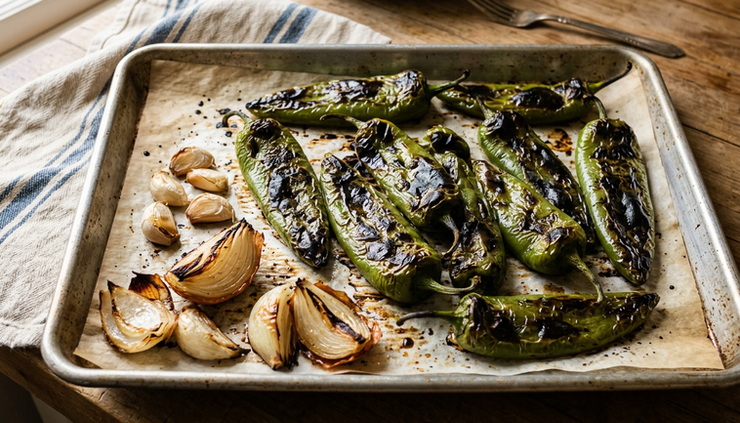
Place the chiles on a sheet pan under the broiler or over an open gas flame. Turn them until the skins blister and darken on all sides. Transfer them to a bowl, cover, and let them steam for 10 minutes.
Peel off the loose skins, remove the stems and seeds, then dice the chiles.
Step 2
Sauté the vegetables.
Heat the olive oil in a large soup pot or Dutch oven over medium heat. Add the onion and poblano or bell pepper. Cook for 5 to 7 minutes, stirring now and then, until the vegetables soften.
Add the garlic and cook for 30 seconds.
Step 3
Build the flavor base.
Stir in the cumin and Angel Dust Soup Seasoning. Let the spices cook for about 30 seconds in the oil and vegetables. This helps the seasoning bloom and gives the chili a deeper flavor.
Step 4
Simmer the chili.
Add the roasted Hatch chiles, white beans, broth, corn, and green tomatoes or salsa verde. Bring the pot to a gentle boil, then lower the heat and simmer for 20 to 25 minutes.
For a creamier texture, mash about 1 cup of the beans against the side of the pot with a spoon. You can also blend 1 to 2 cups of the chili, then stir it back in.
Step 5
Finish and serve.
Stir in the lime juice and fresh herbs. Taste and adjust with more Angel Dust Soup Seasoning or salt if needed.
Serve hot with your favorite toppings and enjoy.
Chef’s secrets for better chili
Small technique changes make this soup-style chili taste like it simmered much longer than it did.
Roast the chiles well
Do not rush this step. Deep blistering gives the chiles a smoky flavor and makes the skins easier to remove.
Season in layers
Add Angel Dust Soup Seasoning during the sauté stage, then taste again after simmering. Beans absorb seasoning, so the final pot may need a small adjustment.
Use homemade stock when possible
A simple vegetable or chicken stock adds body. If using store-bought broth, choose low-sodium so the seasoning stays in balance.
Finish with acid
Lime juice belongs at the end, not the beginning. Fresh acid brightens the chili right before serving.
Add herbs at the end
Cilantro and parsley taste fresher when they are stirred in after the heat is turned down.

Chef’s variations
Dietary substitutions
Gluten-free
Use gluten-free broth, gluten-free toppings, and check all packaged labels. Skip croutons unless they are certified gluten-free.
Dairy-free
Leave off cheese, sour cream, and yogurt. Top with avocado, herbs, lime, and crispy tortilla strips instead.
Vegetarian
Use vegetable broth. The base recipe is vegetarian if you choose vegetable broth.
Vegan
Use vegetable broth and dairy-free toppings. Add avocado or pumpkin seeds for richness.
Flavor twists
Spicy version
Use hot Hatch chiles, add diced jalapeño with the onion, or finish bowls with hot sauce.
Smoky version
Add a small amount of chipotle pepper in adobo or smoked salt. Start lightly because roasted Hatch chiles already bring some smoky flavor.
Southwest version
Top with avocado, tortilla strips, cilantro, lime, and a spoonful of salsa verde.
Mediterranean version
Use cannellini beans, add a little lemon juice instead of lime, and finish with parsley and a drizzle of olive oil.
Make-ahead tips
Roast, peel, and dice the Hatch chiles up to 3 days ahead. Store them in an airtight container in the refrigerator.
You can also make the full chili a day in advance. The beans thicken the broth as it rests, and the roasted chile flavor becomes more rounded.
Meal prep notes
Portion the cooled chili into single-serve containers. Keep toppings separate so they stay fresh and crisp. This makes lunches easy to reheat during the week.
Storage and reheating
Refrigerator
Store cooled chili in an airtight container for up to 4 days.
Freezer
Freeze for up to 3 months. Leave a little space at the top of the container because soup expands as it freezes.
Reheating
Stovetop
Warm over medium-low heat, stirring often. Add a splash of broth or water if the chili has thickened.
Microwave
Heat in a microwave-safe bowl in 60-second bursts, stirring between each round until hot.
Allergy and dietary notes
The base recipe can be made nut-free, gluten-free, dairy-free, vegetarian, and vegan with the right broth and toppings.
Packaged products can vary, especially broths, seasoning blends, tortilla strips, and dairy alternatives. Check labels if avoiding gluten, dairy, soy, nuts, or other allergens.
Optional toppings may add allergens:
Topping | Possible concern |
Cheese or sour cream | Dairy |
Croutons | Gluten, dairy, or soy |
Tortilla strips | Possible gluten or soy, depending on brand |
Prepared broth | Possible gluten or soy, depending on brand |
What pairs well with this soup
Breads
Cornbread
Garlic bread
Warm flour or corn tortillas
Dinner rolls
Salads
Garden salad with lime vinaigrette
Caesar salad
Cabbage slaw
Avocado and tomato salad
Sandwiches
Grilled cheese
Turkey sandwich
Chicken quesadilla
Bean and cheese tostada
Beverages
Iced tea
Lemonade
Sparkling water with lime
Coffee with brunch servings
Culinary learning moment
This recipe is a strong teaching tool because it shows how simple skills create big flavor.
Home cooks can practice:
Knife skills Dice onion and peppers evenly so they cook at the same pace.
Roasting Learn how dry heat changes flavor, texture, and aroma.
Stock selection Taste the difference between water, broth, and homemade stock.
Flavor layering Build flavor with aromatics, seasoning, roasted vegetables, simmering, and finishing acid.
Regional food history Explore how chiles, beans, and corn shaped Southwestern cooking.
Nutritional balance Combine beans, vegetables, broth, and toppings for a filling meal.
If you want to Learn how to make Roasted Hatch & White Bean Chile from Arizona, this recipe is a great starting point because it blends pantry cooking with the green chile flavors loved throughout the Southwest.
Story behind the soup
Hatch chiles come from New Mexico’s Hatch Valley, but their influence reaches across the Southwest. In Arizona, green chile shows up in stews, burritos, sauces, breakfast plates, and family soup pots. The flavor feels tied to late summer harvests, roadside roasting drums, and shared meals where everyone has an opinion about mild, medium, or hot.
White bean chili is also a community-friendly dish. It stretches well, welcomes substitutions, and can feed a table with simple ingredients. That makes it a natural fit for cooking classrooms, family kitchens, and church or neighborhood gatherings.
Roasted Hatch & White Bean Chili connects regional food history with everyday comfort. It teaches that good cooking does not have to be expensive. It starts with care, heat, patience, and smart seasoning.
Nutrition information
Approximate per serving, based on 6 servings and using vegetable broth without dairy toppings.
Nutrient | Amount |
Calories | 330 |
Protein | 17 g |
Carbohydrates | 51 g |
Fat | 8 g |
Fiber | 11 g |
Sodium | 760 mg |
Nutrition will change based on broth, toppings, and exact bean brands.
Fun facts about this soup
Did you know?
Hatch chiles are named after the Hatch Valley in New Mexico, one of the best-known chile-growing regions in the United States.
Green chiles are often roasted in rotating metal drums during harvest season, which gives markets and roadside stands their famous smoky aroma.
Beans and corn have been key ingredients in Southwestern and Indigenous foodways for generations.
Arizona’s desert climate has shaped a food culture that values bold flavors, practical preservation, and ingredients that stretch to feed many people.
White beans make chili feel creamy without needing heavy cream.
Frequently asked questions
Can I freeze this soup?
Yes. Cool the chili completely, then freeze it in airtight containers for up to 3 months. Thaw overnight in the refrigerator before reheating.
Can I make this vegetarian?
Yes. Use vegetable broth and skip any meat-based toppings. The recipe is naturally vegetarian when made with vegetable broth.
How long will leftovers last?
Leftovers will keep in the refrigerator for up to 4 days in an airtight container.
Can I make it in a slow cooker?
Yes. Roast and dice the chiles first. Sauté the onion, pepper, garlic, cumin, and Angel Dust Soup Seasoning, then add everything except lime juice and herbs to the slow cooker. Cook on low for 4 to 6 hours. Finish with lime juice and herbs before serving.
What if I cannot find fresh Hatch chiles?
Use frozen roasted Hatch chiles, canned diced green chiles, Anaheim peppers, or roasted poblanos. The flavor will change a little, but the chili will still be delicious.
Community connection
Soup brings people together because it is easy to share. A pot of chili can feed a classroom, a family, a shelter meal, or a neighborhood table. Recipes like this reflect the mission of the Angels Academy of Culinary Arts by teaching life skills through real food, practical technique, and community care.
For the signature seasoning used in this recipe, explore Angel Dust Soup Seasoning and bring its savory flavor into your own soup pot.
Angels Academy of Culinary Arts Recipe Library
“Teaching Life Skills Through Food, Community, and Culinary Arts.”
This Roasted Hatch and White Bean Chili is more than a cozy meal. It is a lesson in roasting, seasoning, stretching ingredients, and honoring regional food traditions one bowl at a time.


Comments