
_edited.jpg)

Habanero Peppers for Global Soups Cooking Tips Seasoning and Spicy Recipe Ideas

A single habanero can change a pot of soup from mild and familiar to bright, fruity, and thrilling. The trick is knowing how to cook it so the heat supports the broth instead of taking over the bowl.
Habanero peppers are small, lantern-shaped chiles with serious fire and a flavor that often tastes fruity, floral, and a little citrusy. Under the heat, you may notice hints of mango, apricot, passion fruit, or orange peel. That makes them especially good in soups with coconut milk, beans, squash, tomatoes, peanuts, lime, seafood, or slow-cooked meats.
This guide shows how to prep, cook, season, and pair habaneros for soups inspired by kitchens around the world. If the goal is to Learn how to cook and season Habanero Peppers for Soups from around the world, start with control. You can always add more chile. It is much harder to rescue a soup that has gone too far.

What habaneros taste like and why they work in soup
Habaneros are among the hotter common fresh chiles found in many U.S. grocery stores. Heat levels vary by pepper, season, and growing conditions, so two habaneros from the same bag may not taste exactly alike.
Their heat arrives fast, but their flavor is the reason they belong in soup. Habaneros are not just “hot.” They are aromatic. Used wisely, they can bring:
Fruitiness to squash, carrot, corn, and coconut soups
Sharp lift to rich bean, peanut, or cream-based soups
Warmth to tomato broths and slow-simmered stews
Brightness when paired with lime, vinegar, cilantro, mint, or basil
Depth when roasted, charred, or sautéed with onions and garlic
The pith and inner ribs hold much of the heat, while the flesh brings flavor. Seeds can taste bitter and often carry heat because they touch the pith. Removing the seeds and ribs gives more control, but even a cleaned habanero still packs plenty of spice.
A good rule for most home soups is to begin with ¼ to ½ habanero for a medium pot, then adjust near the end. For a very mild version, simmer a whole slit habanero in the broth and remove it before serving.
How to prepare and cook habanero peppers for soup
Habaneros are easy to use, but they deserve care. Their oils cling to fingers, cutting boards, and knives.
Step-by-step preparation
Choose firm peppers
Look for glossy skin, bright color, and no soft spots. Orange habaneros are common, but red, yellow, and green varieties work too. Riper peppers often taste sweeter and more floral.
Wash and dry them
Rinse under cool water and pat dry. Dry peppers are easier to cut and roast.
Protect your hands
Wear disposable gloves if possible. If not, wash hands well with dish soap after handling, and avoid touching your eyes or face.
Trim the stem
Cut off the green stem cap. Slice the pepper in half lengthwise.
Control the heat
For a gentler soup, scrape out the seeds and pale inner ribs with a spoon tip. For more heat, leave some ribs in place.
Cut based on your cooking method
Mince habanero for a smooth, even heat. Slice it for broths where you plan to remove pieces later. Leave it whole and slit once for the mildest infusion.
Three reliable cooking methods
Sauté for rounded heat
Add minced habanero to oil with onion, garlic, ginger, or spices. Cook for 30 to 60 seconds before adding liquid. This softens the raw bite and spreads the flavor through the soup base.
Best for bean soups, tomato soups, lentil soups, and stews.
Roast for sweetness and smoke
Roast whole or halved habaneros on a sheet pan at 425°F until softened and lightly blistered. This usually takes only a few minutes, so watch closely. Blend roasted habanero into the soup or mash it into a paste with garlic and salt.
Best for squash soup, corn soup, carrot soup, and creamy vegetable soups.
Simmer for gentle infusion
Add a whole slit habanero to the pot while the soup simmers. Remove it when the broth tastes spicy enough. This method gives heat without bits of chile in every spoonful.
Best for brothy chicken soups, seafood soups, pho-inspired broths, and coconut soups.

Seasoning habaneros for soups from around the world
Habaneros pair well with bold seasonings, but the best combinations balance heat with fat, acid, sweetness, and salt.
Soup style | Helpful seasonings | Good pairings |
Caribbean-inspired soups | Allspice, thyme, scallions, garlic, lime | Pumpkin, sweet potato, chicken, coconut milk |
Mexican-inspired soups | Cumin, oregano, coriander, tomato, lime | Black beans, corn, squash, shredded chicken |
Thai-inspired soups | Lemongrass, ginger, garlic, lime, fish sauce | Coconut milk, mushrooms, chicken, shrimp |
West African-inspired soups | Ginger, garlic, tomato, peanut, smoked paprika | Sweet potato, greens, chicken, chickpeas |
Southern U.S.-style soups | Smoked paprika, bay leaf, thyme, vinegar | Collard greens, ham, beans, okra, corn |
Use these building blocks when seasoning any habanero soup:
Fat calms the burn
Coconut milk, cream, olive oil, avocado, peanut butter, and broth enriched with chicken skin or bones can soften sharp heat.
Acid wakes up the fruit
Lime juice, vinegar, tamarind, tomato, or a splash of citrus at the end makes habanero taste brighter.
Sweetness rounds the edges
Squash, carrots, corn, plantains, sweet potato, or a small spoonful of honey can mellow the chile.
Herbs keep it fresh
Cilantro, mint, parsley, basil, thyme, and scallions all work well, depending on the soup style.
Taste in stages. Habanero heat blooms as the soup sits, so a broth that tastes medium right away may feel hotter 10 minutes later.
Three global soup ideas that feature habaneros
These recipes are flexible, not fussy. Treat them as starting points, then adjust the chile to match your heat tolerance.
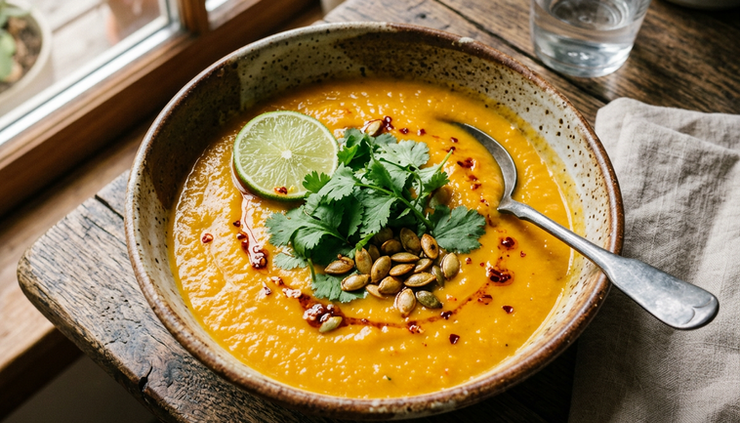
Jamaican-inspired pumpkin soup with habanero and coconut
Traditional Jamaican soups often use Scotch bonnet peppers, which share a fruity, fiery profile with habaneros. Habanero makes an easy swap when that is what you have.
What makes it work
Pumpkin or squash brings sweetness, coconut milk adds richness, and thyme gives the broth an herbal backbone. Habanero cuts through the creamy base.
Basic method
Cook onion, garlic, scallions, and a little grated ginger in oil. Add cubed pumpkin or butternut squash, thyme, vegetable or chicken broth, and a whole slit habanero. Simmer until the squash is tender. Remove the chile, blend part of the soup if you like it creamy, then stir in coconut milk and lime juice.
Seasoning tips
Add allspice for deeper Caribbean-style warmth.
Use ½ habanero minced into the base for more heat.
Finish with cilantro or more scallions for freshness.
This soup tastes best when it is sweet, spicy, and lightly tangy.
Mexican black bean soup with roasted habanero
Black beans can handle heat. Their earthy flavor pairs beautifully with roasted habanero, cumin, oregano, tomatoes, and lime.
What makes it work
Roasting the habanero softens its sharpness. Blending part of the soup gives a thick texture without cream.
Basic method
Roast ½ to 1 habanero until blistered. In a pot, cook onion, garlic, cumin, Mexican oregano, and a small amount of tomato paste. Add cooked black beans and broth. Simmer until the flavors come together. Blend a cup or two of the soup with the roasted habanero, then stir it back into the pot.
Seasoning tips
Add lime juice at the end, not the beginning.
Garnish with avocado, cilantro, diced onion, or a spoonful of crema.
For smoky flavor, add a little smoked paprika or a small amount of chipotle.
This is one of the easiest Habanero Pepper Soups to scale up for meal prep because beans absorb spice well.
Thai-inspired coconut chicken soup with habanero
Thai soups often use bird’s eye chiles, but habanero brings a different kind of fruitiness. It works especially well with coconut milk, ginger, lemongrass, lime, and fish sauce.
What makes it work
Coconut milk softens the chile heat, while lime and herbs keep the soup lively.
Basic method
Simmer chicken broth with sliced ginger, smashed lemongrass, garlic, and a whole slit habanero. Add sliced mushrooms and chicken pieces. When the chicken cooks through, stir in coconut milk. Season with fish sauce and lime juice. Remove the habanero before serving unless you want more heat.
Seasoning tips
Add the lime juice after turning off the heat.
Use cilantro, Thai basil, or mint as a garnish.
For a seafood version, swap the chicken for shrimp and cook it briefly at the end.
This soup should taste creamy, citrusy, salty, and spicy in balance.

More pairing ideas for different soup traditions
Once you understand the balance, habanero can move easily between cuisines. The pepper is bold, so pair it with ingredients that can stand up to it.
West African-inspired peanut and sweet potato soup
Cook onion, garlic, ginger, tomato, and a small amount of minced habanero. Add sweet potato chunks, broth, and peanut butter. Simmer until tender, then stir in chopped greens. A squeeze of lime or lemon at the end keeps the peanut flavor from feeling too heavy.
Use smoked paprika or a pinch of cayenne if you want more warmth without adding more habanero.
Caribbean seafood soup with lime and herbs
A whole slit habanero works well in fish or shrimp soup because it perfumes the broth without overwhelming delicate seafood. Build the base with onion, garlic, thyme, tomatoes, broth, and a little coconut milk if desired. Remove the chile before adding the seafood so the heat stays controlled.
Finish with lime and fresh herbs.
Corn chowder with roasted habanero
Sweet corn and habanero are natural partners. Roast the chile, then blend a small piece with some of the corn and broth. Stir that mixture into the chowder. Add potatoes, onions, cream or milk, and a touch of smoked paprika.
For a lighter version, skip the cream and blend more corn to thicken the soup.
Lentil soup with habanero and lemon
Red or brown lentils take well to habanero, especially when cooked with cumin, coriander, garlic, and tomato. Add minced habanero early for a deeper heat, or add a tiny amount of habanero paste near the end for a sharper kick.
Lemon juice and parsley make the soup taste fresher.
How to adjust spice without ruining the pot
The safest path is to build heat slowly.
Start with less than you think you need. For a mild soup, use a whole slit pepper and remove it. For medium heat, use ¼ to ½ minced pepper. For serious heat, use a whole pepper, but taste before adding more.
If the soup gets too hot, try one of these fixes:
Add more broth, beans, vegetables, or cooked grains.
Stir in coconut milk, cream, yogurt, peanut butter, or avocado.
Add acidity with lime, lemon, vinegar, or tomato.
Add sweetness from squash, carrot, corn, or sweet potato.
Serve with rice, bread, tortillas, or dumplings to soften the heat.
Avoid adding plain water unless the soup is also too salty. Water can thin the flavor while leaving the burn behind.

FAQ
How much habanero should I use in a pot of soup?
For a 4 to 6 serving pot, start with ¼ to ½ habanero if minced. For milder heat, simmer one whole slit habanero and remove it once the broth tastes spicy enough.
Can I use dried habanero instead of fresh?
Yes. Dried habanero is often intense, so start with a small pinch of flakes or a tiny piece of whole dried chile. Let it simmer, then taste before adding more.
Should I remove the seeds?
Remove the seeds and inner ribs for better heat control. The flesh still brings plenty of flavor, and the soup will be easier to balance.
What ingredients calm down habanero heat?
Coconut milk, cream, yogurt, peanut butter, avocado, beans, potatoes, rice, and bread can all help soften the burn. Lime or vinegar can also make the heat feel brighter and more balanced.
Do habaneros get hotter as soup sits?
The heat can feel stronger after the soup rests because the chile oils spread through the broth. Taste again before serving leftovers, and add broth or a creamy ingredient if needed.
Keep experimenting with heat and flavor
Habaneros are powerful, but they are also generous. Treat them as both a spice and a flavor ingredient. Roast them for sweetness, simmer them whole for gentle heat, or sauté a little into the base when the soup needs a confident kick.
Try one familiar soup this week and give it a habanero twist. Add coconut milk to soften it, lime to brighten it, or beans and grains to make it hearty. For an easy way to bring seasoned heat to your next pot, try Angel Dust soup seasoning.
The best bowl is the one that tastes balanced to you. Start small, taste often, and let the pepper’s fruity fire lead the way.


Comments