
_edited.jpg)

Master Chinese Soups Wonton Hot and Sour Recipes Flavor Balance and Seasoning Tips

A good Chinese soup tastes full before it tastes salty. The broth has depth, the aroma hits first, and every spoonful has a clean balance of savory, sweet, sour, spicy, and fresh.
That balance is easier to build than it looks. Many classic soups use a small set of pantry ingredients in different ways: ginger, scallions, soy sauce, sesame oil, white pepper, vinegar, dried mushrooms, and a good broth. Once those pieces make sense, wonton soup, hot and sour soup, egg drop soup, and simple chicken corn soup become weeknight-friendly dishes rather than takeout-only favorites.
If your goal is to Learn how cook and season Chinese Soups, start with the broth, season in layers, and taste more often than you think you need to.

Build flavor from the right Chinese soup staples
Chinese soups vary a lot by region, family style, and purpose. Some are light and clear. Some are thick, peppery, and bold. Some act as a full meal with noodles, dumplings, greens, and meat.
Still, many soups draw from the same core ingredients.
Ingredient | What it adds | Best used in |
Ginger | Warmth, fragrance, gentle heat | Chicken broth, wonton soup, fish soup |
Scallions | Fresh onion flavor | Broth, garnish, wonton filling |
Garlic | Savory depth | Hot and sour soup, noodle soups |
Soy sauce | Salt and umami | Broth seasoning, fillings, dipping sauces |
Shaoxing wine | Aroma and roundness | Meat fillings, broth, marinades |
Sesame oil | Nutty finish | Added at the end, not boiled hard |
White pepper | Sharp, bright heat | Hot and sour soup, egg drop soup |
Rice vinegar or Chinkiang vinegar | Clean sourness | Hot and sour soup, dipping sauces |
Dried shiitake mushrooms | Deep umami | Broths, hot and sour soup |
Cornstarch | Silky thickness | Hot and sour soup, egg drop soup |
Chili oil | Heat and aroma | Finishing richer soups |
A few ingredients deserve special attention.
White pepper is one of the most useful spices for Chinese soups. It tastes sharper and earthier than black pepper. In hot and sour soup, it provides much of the heat, while vinegar provides the sour note.
Sesame oil works best as a finishing ingredient. A few drops at the end can make a simple soup smell complete. If it boils for too long, its aroma fades and can taste heavy.
Dried mushrooms are a quiet flavor booster. Soak dried shiitake mushrooms in warm water until soft, then slice them for the soup. The soaking liquid can go into the broth if it tastes clean and is free of grit.
Shaoxing wine adds a restaurant-style aroma to broths and fillings. If avoiding alcohol, use a small splash of chicken broth with a little extra ginger. The flavor will be different, but the soup will still be good.
Make classic wonton soup with a clear, savory broth
Wonton soup is all about contrast. The broth should be clean and fragrant. The wontons should be juicy, tender, and well seasoned. The garnish should bring freshness.
Ingredients for the wontons
For about 4 servings:
8 ounces ground pork, ground chicken, or finely chopped shrimp
1 tablespoon soy sauce
1 teaspoon Shaoxing wine
1 teaspoon sesame oil
1 teaspoon grated ginger
2 tablespoons finely sliced scallions
1 teaspoon cornstarch
1 pinch white pepper
24 to 30 square wonton wrappers
Mix the filling until it looks sticky and slightly springy. That texture helps the wontons hold together and gives them a juicy bite. Use about 1 teaspoon of filling per wrapper. Too much filling can make the wrappers burst.
Ingredients for the broth
6 cups chicken broth or light pork broth
3 slices fresh ginger
2 scallions, cut into large pieces
1 tablespoon light soy sauce
1 teaspoon Shaoxing wine
Salt, to taste
White pepper, to taste
A few drops sesame oil
Baby bok choy, napa cabbage, or spinach, optional
Simmer the broth with ginger and scallions for 10 to 15 minutes. Remove the aromatics, then season with soy sauce, wine, salt, and white pepper.
Cook wontons in a separate pot of boiling water. When they float and the filling is cooked through, transfer them to bowls and ladle the hot broth over the top. This keeps the soup clear and prevents excess starch from clouding the broth.

Seasoning tips for better wonton soup
Taste the filling before wrapping a full batch. Cook a tiny spoonful in a skillet or microwave it until done, then adjust.
A balanced wonton filling should taste:
Savory, but not harsh
Juicy, not watery
Lightly aromatic from ginger and scallion
Gently peppery
If the broth tastes flat, add salt first. If it tastes salty but still dull, add a little ginger, a splash of Shaoxing wine, or a few drops of sesame oil. If it feels heavy, add fresh greens or a tiny splash of rice vinegar.
Cook hot and sour soup with bold but balanced flavor
Hot and sour soup has a strong personality, but it should not taste muddy. The heat, sourness, salt, and umami need to stay distinct.
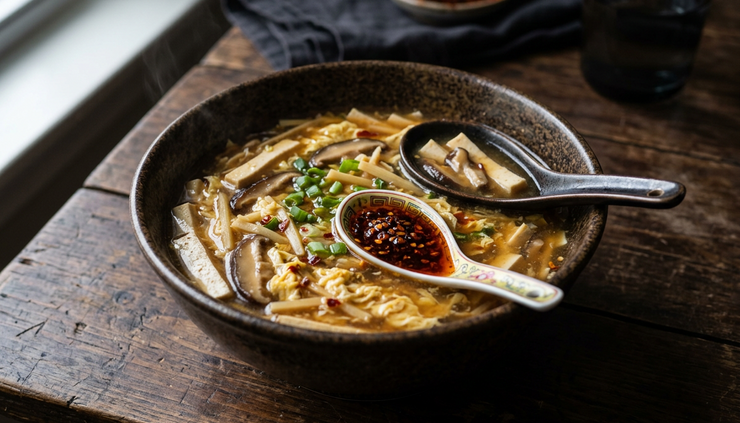
Traditional versions often use ingredients like wood ear mushrooms, bamboo shoots, tofu, pork, egg, vinegar, and white pepper. Home versions can be flexible. The key is to cut ingredients into thin strips so each spoonful has texture.
Ingredients for hot and sour soup
For about 4 servings:
6 cups chicken broth or vegetable broth
4 dried shiitake mushrooms, soaked and sliced
1/2 cup bamboo shoots, sliced thin
1/2 cup firm tofu, cut into small strips
4 ounces pork tenderloin or chicken, sliced thin, optional
2 tablespoons soy sauce
1 to 2 teaspoons dark soy sauce, optional for color
1/2 teaspoon sugar
1/2 to 1 teaspoon white pepper
3 tablespoons rice vinegar or Chinkiang vinegar
2 tablespoons cornstarch mixed with 3 tablespoons water
1 egg, lightly beaten
1 teaspoon sesame oil
Scallions, for garnish
Bring the broth to a simmer. Add mushrooms, bamboo shoots, tofu, and meat if using. Simmer until the meat is cooked and the mushrooms are tender. Season with soy sauce, sugar, and white pepper.
Stir in the cornstarch slurry slowly. Let the soup thicken before adding more. The texture should be silky, not gluey.
Turn the heat low and drizzle in the beaten egg while stirring gently. Add vinegar near the end so its bright flavor stays alive. Finish with sesame oil and scallions.
How to control heat and sourness
White pepper delivers the classic heat. Chili oil can add richness, but it should not replace white pepper completely.
For sourness, Chinkiang vinegar brings a dark, malty flavor. Rice vinegar tastes lighter and cleaner. Both work. Add vinegar in stages, tasting as you go.
If the soup becomes too sour, add a pinch of sugar and a little more broth. If it tastes too spicy, add tofu, egg, or more broth. If it tastes too salty, avoid adding water alone because it can thin out the flavor. Add unsalted broth if possible.
The best hot and sour soup tastes lively, not aggressive. The vinegar should wake up the broth, and the pepper should warm the finish.
Try simple Chinese soups for weeknight cooking
Once the seasoning basics feel familiar, it becomes easy to make several popular Chinese soups without a long ingredient list. These can stand alone as light meals or sit beside rice, noodles, dumplings, or stir-fried vegetables.
Egg drop soup
Egg drop soup is fast, comforting, and very forgiving.
Use chicken broth as the base. Bring it to a gentle simmer with ginger if desired. Season with salt, white pepper, and a small splash of soy sauce. Thicken lightly with cornstarch slurry, then drizzle in beaten eggs while stirring in one direction.
For bigger ribbons, stir slowly. For finer strands, stir faster.
Good additions include:
Corn kernels
Peas
Soft tofu
Spinach
Minced chicken
Scallions
Finish with sesame oil. Keep the seasoning gentle so the egg stays the focus.
Chicken corn soup
Chicken corn soup is mild, slightly sweet, and great for using leftover chicken. Use broth, shredded cooked chicken, corn, white pepper, and egg. A small amount of cornstarch gives it body.
Cream-style corn works well if a thicker texture is preferred. Whole kernels add more bite. A pinch of sugar can bring out the corn flavor, but add it carefully.
This soup benefits from a clean finish. Scallions, cilantro, or a few drops of sesame oil are enough.
Tomato egg soup
Tomato egg soup is bright, quick, and common in home kitchens. Cook chopped tomatoes with a little oil, ginger, and scallion until they soften and release their juices. Add broth or water, season with salt and white pepper, then drizzle in beaten egg.
A small pinch of sugar balances tomato acidity. A few drops of sesame oil round out the edges.
This soup shows how simple seasoning can work. The tomato brings sourness and sweetness, the egg adds softness, and the broth ties everything together.
Noodle soup with greens
For a more filling bowl, start with broth seasoned with soy sauce, ginger, and white pepper. Add cooked noodles, bok choy, napa cabbage, or spinach. Top with sliced roast chicken, tofu, dumplings, or a soft-boiled egg.
The trick is to season the broth slightly more than you would for a plain soup. Noodles absorb flavor, so a broth that tastes perfect by itself may turn mild once noodles go in.
Balance Chinese soups with salt, aroma, acid, heat, and texture
Great soup rarely comes from one big seasoning move. It comes from small adjustments.
Think in five parts.
Salt
Salt makes the broth taste complete. Soy sauce adds salt plus flavor, but it cannot do every job. If a soup tastes weak, add a small pinch of salt before adding more soy sauce. Too much soy sauce can darken the broth and make it taste one-note.
Aroma
Ginger, scallion, garlic, sesame oil, dried mushrooms, and Shaoxing wine create aroma. Add sturdy aromatics early. Add delicate finishes, like sesame oil and fresh scallions, at the end.
Acid
Vinegar brightens rich soups. Tomatoes add natural acidity. A tiny splash of rice vinegar can wake up a dull broth, even when the goal is not a sour soup.
Heat
White pepper, chili oil, fresh chilies, and dried chilies all create different kinds of heat. White pepper feels sharp and warm. Chili oil tastes richer and rounder. Use both when you want depth.
Texture
Texture makes soup satisfying. Wontons add tenderness. Mushrooms add chew. Bamboo shoots add crunch. Egg ribbons add silkiness. Cornstarch adds body. Tofu softens strong flavors.
A helpful tasting order is simple:
Taste the broth plain.
Adjust salt.
Add aroma.
Add acid or heat.
Finish with sesame oil, herbs, or scallions.
Make changes in small amounts. Let the soup simmer for a minute, then taste again.
Let recipes become starting points
Chinese Soups reward curiosity. Swap bok choy for spinach. Use shrimp instead of pork in wontons. Add dried shrimp or dried scallops to broth for deeper seafood flavor. Try black vinegar instead of rice vinegar in hot and sour soup. Stir in chili crisp for a stronger finish, or keep the broth clear and delicate.
The goal is not to copy one exact version forever. The goal is to understand what each ingredient does.
If a soup tastes flat, it may need salt or aroma. If it tastes heavy, it may need acid or fresh greens. If it tastes sharp, it may need broth, tofu, egg, or a tiny bit of sugar. If it tastes thin, it may need longer simmering, dried mushrooms, bones, or a small amount of cornstarch.
For cooks who enjoy finishing soups with an extra savory lift, try Angel Dust seasoning from Soup Angels as a simple way to add another layer of flavor to homemade bowls.

FAQ
What is the best broth for Chinese soup?
Chicken broth is the most flexible choice for home cooking. Pork broth gives a richer taste, while vegetable broth works well with mushrooms, tofu, and greens. For clear soups, use a light broth and simmer gently.
Why does my wonton soup taste bland?
The filling and broth both need seasoning. Add soy sauce, ginger, scallions, sesame oil, and white pepper to the filling. Season the broth with salt, not just soy sauce, and finish with a little sesame oil.
Should vinegar go in hot and sour soup at the beginning or end?
Add most of the vinegar near the end. Long boiling can dull its brightness. Taste after adding it, then adjust with more vinegar, white pepper, or broth.
Can I make Chinese soups without Shaoxing wine?
Yes. The flavor will change, but the soup can still taste good. Use more ginger, scallions, mushrooms, or broth to build aroma and depth.
How do I keep egg ribbons soft in soup?
Lower the heat before adding the egg. Pour it in slowly while stirring gently. If the soup boils hard, the egg can turn rough instead of silky.
A great Chinese soup is built one layer at a time. Start with a good broth, season slowly, taste often, and finish with fresh aromatics. Once the balance makes sense, every pot becomes easier to adjust, and every recipe becomes an invitation to experiment.


Comments